AI Data Centers Powering the Future of Computing
Dfluxspace Research Team • 2026-03-01T00:00:00.000Z
Artificial intelligence is rapidly transforming the digital world, and at the heart of this revolution lies a powerful infrastructure known as AI data centers. These advanced facilities provide the massive computing power, storage capacity, and networking capabilities required to train and operate modern artificial intelligence systems. From large language models and autonomous vehicles to cloud computing platforms and global digital services, AI data centers are becoming the backbone of modern technology ecosystems. As demand for AI continues to grow across industries, the development of specialized data centers optimized for machine learning workloads is reshaping the future of global computing.
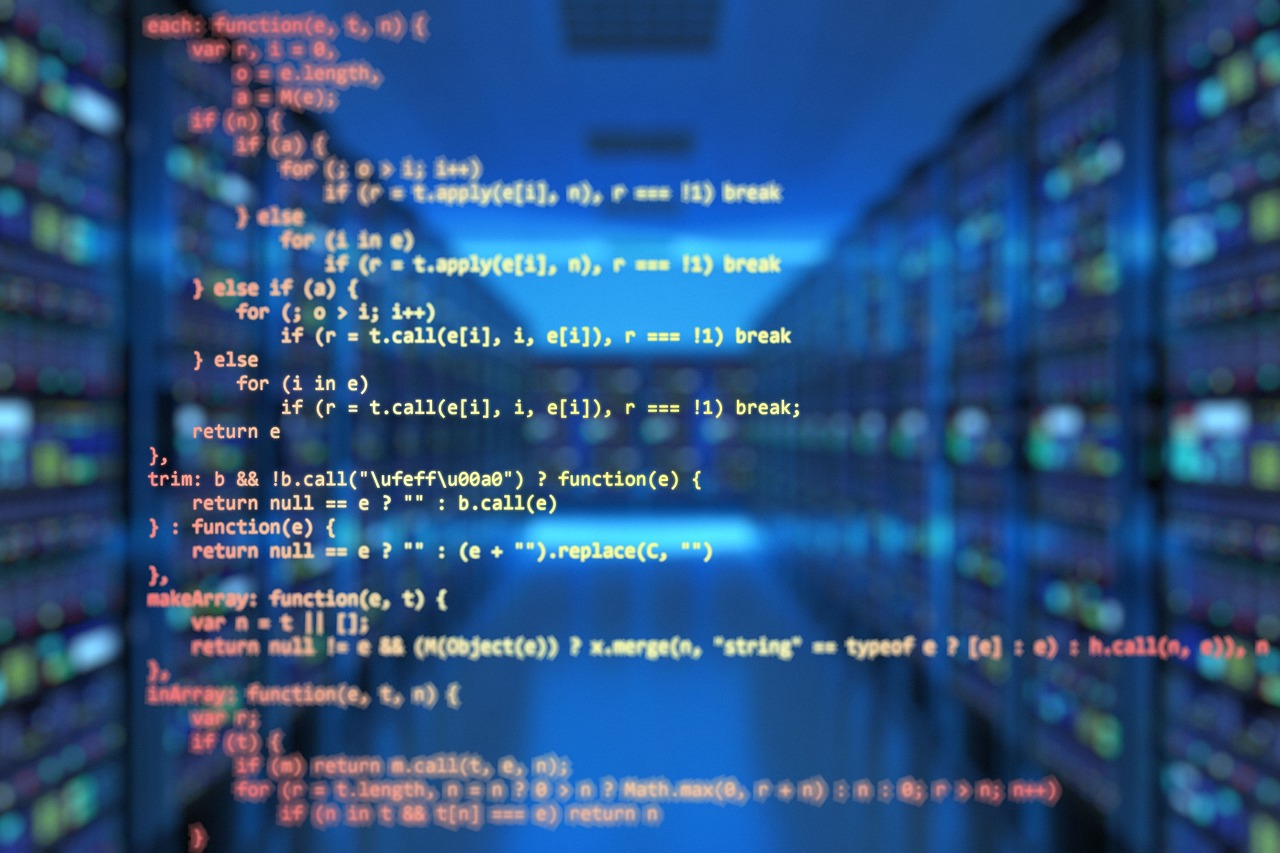
The Evolution of Data Centers in the Age of Artificial Intelligence
Data centers have long been the foundation of the digital economy. These facilities house servers, storage systems, and networking equipment that power websites, cloud services, enterprise software, and global communications networks. However, the rise of artificial intelligence has dramatically changed the requirements for modern computing infrastructure.
Traditional data centers were designed primarily for general-purpose computing tasks such as hosting websites or running business applications. AI workloads, on the other hand, require extremely high levels of computational power and data processing capabilities. Training advanced machine learning models involves processing enormous datasets and performing billions or even trillions of mathematical operations.
To meet these demands, technology companies have begun building specialized AI data centers equipped with powerful graphics processing units, high-performance storage systems, and ultra-fast networking architectures. These facilities are optimized to handle the intense computational requirements of deep learning and other advanced AI technologies.
The evolution of AI data centers reflects a broader shift in computing toward large-scale data processing and intelligent automation.
Why AI Requires Specialized Data Centers
Artificial intelligence systems rely heavily on machine learning algorithms that require extensive training using large datasets. During the training process, AI models analyze data patterns and adjust internal parameters through repeated calculations. This process demands enormous computational resources.
Unlike traditional computing workloads, AI training tasks require parallel processing capabilities that can handle millions of simultaneous calculations. Specialized hardware such as GPUs and AI accelerators are designed to perform these operations far more efficiently than standard processors.
AI data centers are built to support these advanced hardware systems. They incorporate high-speed interconnects that allow thousands of processors to communicate with each other simultaneously. This distributed computing architecture enables faster model training and improved performance for complex AI applications.
In addition to raw computing power, AI data centers must also provide large-scale storage solutions capable of handling massive datasets used in machine learning research and development.
The Role of GPUs and AI Accelerators
One of the defining characteristics of modern AI data centers is the use of graphics processing units and specialized AI accelerators. GPUs were originally designed to render complex graphics in video games, but their ability to perform parallel mathematical operations makes them ideal for machine learning tasks.
Deep learning models rely heavily on matrix multiplications and vector calculations, which GPUs can execute far more efficiently than traditional central processing units. As a result, many AI data centers deploy thousands of GPUs working together to train advanced neural networks.
In addition to GPUs, many technology companies are developing custom AI accelerator chips designed specifically for machine learning workloads. These processors can further improve efficiency and reduce energy consumption when running AI applications.
The combination of GPUs, specialized accelerators, and optimized software frameworks forms the technological foundation of modern AI computing infrastructure.
Cloud Computing and AI Infrastructure
Cloud computing platforms have become a critical component of the AI ecosystem. Instead of building their own expensive infrastructure, many organizations rely on cloud providers to access powerful AI data center resources on demand.
Cloud-based AI platforms allow developers, researchers, and businesses to run machine learning models without needing to maintain physical servers. These services provide scalable computing environments where users can train models, analyze data, and deploy AI-powered applications.
AI data centers supporting cloud platforms are designed to handle enormous workloads from millions of users around the world. These facilities incorporate advanced networking technologies that enable high-speed data transfer between servers and global internet infrastructure.
Cloud-based AI infrastructure has democratized access to artificial intelligence, allowing startups, researchers, and enterprises to build innovative AI solutions without massive upfront investments.
Energy Consumption and Sustainability Challenges
As AI models become larger and more complex, the energy requirements of AI data centers are increasing significantly. Training large-scale machine learning models can require thousands of servers operating continuously for extended periods of time.
This intensive computing activity results in high electricity consumption and significant heat generation within data center facilities. To address these challenges, companies are investing in energy-efficient hardware, advanced cooling technologies, and renewable energy sources.
Many modern AI data centers are designed with sustainability in mind. Innovative cooling methods such as liquid cooling systems and advanced airflow management help reduce energy usage while maintaining optimal performance.
In addition, some data center operators are locating facilities in regions with access to renewable energy sources such as hydroelectric or solar power. These efforts are helping reduce the environmental impact of large-scale AI computing infrastructure.
Global Expansion of AI Data Center Infrastructure
The rapid growth of artificial intelligence has triggered a global expansion in data center construction. Technology companies, cloud providers, and governments are investing heavily in new infrastructure designed specifically for AI workloads.
Major technology hubs around the world are becoming centers for AI data center development. Regions with strong digital infrastructure, reliable energy supplies, and favorable regulatory environments are attracting significant investment.
Many countries view AI infrastructure as a strategic asset that supports economic growth and technological competitiveness. Governments are launching national initiatives to encourage data center development and support AI research ecosystems.
This global expansion is helping ensure that computing resources remain available to support the continued growth of artificial intelligence technologies.
AI Data Centers and the Future of Innovation
AI data centers are enabling breakthroughs across many fields of science and technology. Researchers rely on high-performance computing systems to analyze complex datasets in areas such as genomics, climate science, and particle physics.
In the business world, companies use AI-powered analytics platforms to process customer data, optimize operations, and develop new digital services. Autonomous vehicles, robotics systems, and smart city technologies also depend on advanced AI infrastructure for development and deployment.
As AI models continue to grow in complexity, the demand for powerful computing resources will only increase. Data centers designed for AI workloads will play a critical role in enabling the next generation of technological innovation.
These facilities represent the backbone of the digital economy, supporting everything from research laboratories to global internet services.
Security and Data Protection in AI Infrastructure
Security is a critical consideration for AI data centers because these facilities store and process vast amounts of sensitive information. Organizations rely on strong cybersecurity measures to protect data from unauthorized access, cyberattacks, and system failures.
Modern AI data centers implement multiple layers of security including encryption, network monitoring, intrusion detection systems, and strict physical access controls. These measures help ensure the integrity and confidentiality of data processed within the facility.
In addition to protecting data, operators must ensure that AI systems themselves are secure and reliable. This includes protecting machine learning models from adversarial attacks that attempt to manipulate predictions or compromise algorithms.
Strong security practices are essential for maintaining trust in AI technologies and ensuring the stability of critical computing infrastructure.
The Future of AI Data Centers
The future of AI data centers will be shaped by advances in computing technology, networking systems, and energy efficiency. Researchers are exploring new architectures that combine traditional processors with specialized AI chips optimized for machine learning tasks.
Quantum computing and advanced photonic processors may eventually play a role in accelerating AI workloads. These technologies have the potential to perform certain calculations far more efficiently than current hardware systems.
Edge computing is another emerging trend that may influence the evolution of AI infrastructure. Instead of processing all data in centralized data centers, some AI workloads will be distributed across smaller edge facilities located closer to users and devices.
This hybrid approach could improve performance for applications such as autonomous vehicles, smart cities, and real-time analytics.
Conclusion
AI data centers are rapidly becoming one of the most critical components of modern technology infrastructure. These powerful computing facilities provide the processing power, storage capacity, and networking capabilities required to support advanced artificial intelligence systems.
From cloud computing platforms to scientific research laboratories, AI data centers enable a wide range of innovations that are transforming industries and societies around the world. As demand for AI applications continues to grow, investment in specialized data center infrastructure will remain a key priority for technology companies and governments.
With ongoing advancements in hardware design, energy efficiency, and global connectivity, AI data centers will continue to play a central role in shaping the future of computing and digital innovation.