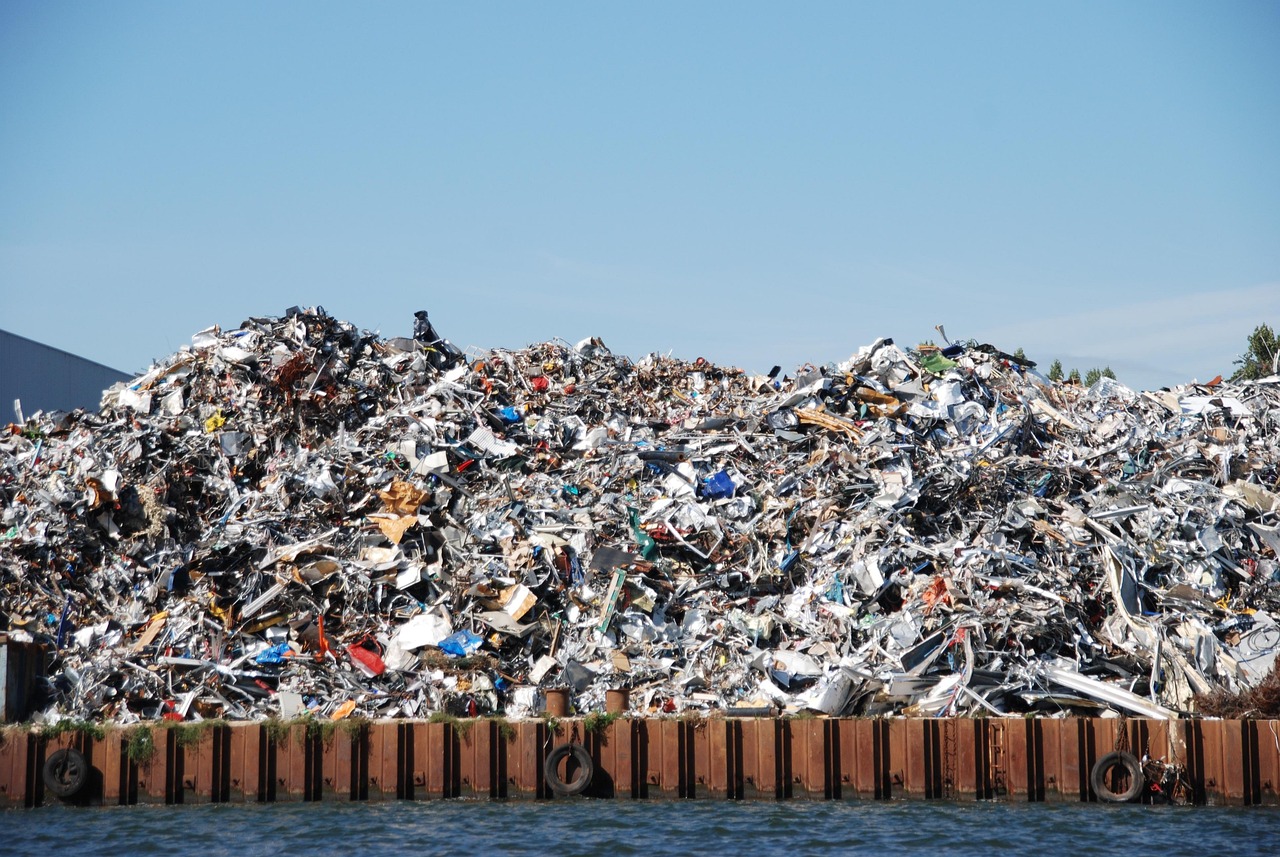
Waste iron and scrap metal are often treated as useless by-products of construction, manufacturing, or household usage, but in reality, they are untapped treasures for entrepreneurs who want to build a profitable side business. The modern economy places high importance on sustainability, recycling, and resource optimization, which means that what one person discards as waste can actually become another person’s income-generating asset. Every piece of waste iron—whether it’s from old machines, household appliances, demolished buildings, or broken automobiles—carries inherent value that can be unlocked through collection, processing, and resale. By tapping into this opportunity, entrepreneurs not only create revenue streams but also contribute to reducing environmental pollution, supporting the circular economy, and aligning with global green business practices.
Starting a side business in waste iron and scrap metal does not require a massive upfront investment. With as little as basic tools, storage space, and a network to source and sell scrap, individuals can slowly scale up their efforts into a structured operation. Unlike businesses that require specialized degrees or advanced technical expertise, scrap metal recycling thrives on awareness, consistency, and connections within the local community. For example, a person who understands where to source unused iron rods, machinery parts, or metal furniture can directly sell them to recycling units for cash. Over time, with proper planning, the same entrepreneur can expand into melting, processing, or exporting scrap iron to high-demand industries.
This business is lucrative because steel and iron are endlessly recyclable. Unlike other raw materials that degrade over time, metals retain their strength and durability even after multiple recycling cycles. This means the global demand for recycled iron will always remain high, especially in construction, automobile manufacturing, and infrastructure projects where iron-based materials are essential. From a financial perspective, dealing in scrap metal also provides steady cash flow because buyers—such as local scrap yards, recycling centers, and export companies—pay upfront for the raw material.
For people looking to create side businesses that are both practical and profitable, waste iron recycling presents an unmatched opportunity. It offers scalability, environmental impact, and the ability to transition from small side hustle to full-fledged business. In the following sections, we’ll explore step-by-step how entrepreneurs can start, manage, and scale this opportunity into a sustainable income source.
🔹 Section 1: Why Waste Iron and Scrap Metal Are Valuable Resources
Scrap iron is valuable because it has a consistent demand across industries such as construction, automotive, shipbuilding, and even household appliance manufacturing. Unlike perishable goods, iron does not lose its properties when recycled. This makes it a predictable and reliable resource that buyers are always seeking. The global steel industry alone uses millions of tons of scrap iron annually to reduce production costs and energy consumption. By supplying this demand, scrap dealers position themselves in a market where there will never be a shortage of customers.
Another reason for its value is sustainability. Governments worldwide are enforcing stricter environmental laws, pushing industries to depend on recycled materials rather than mining fresh iron ore. Recycling scrap iron requires 60% less energy compared to producing new iron from ore. This energy efficiency makes recycled metal more cost-effective for industries and a valuable commodity for suppliers. Therefore, entrepreneurs who focus on waste iron not only align themselves with global environmental goals but also benefit from the reduced operational costs industries enjoy when they buy recycled materials.
Households and businesses frequently generate scrap iron through broken furniture, old vehicles, machine replacements, and construction waste. Instead of discarding these, entrepreneurs can purchase them at low costs or even collect them for free, turning them into profitable resources. For instance, old vehicle parts such as axles, frames, and engines are primarily made of iron and can be dismantled, sorted, and sold separately to maximize profits.
The most powerful aspect of scrap iron as a business is its stability. Unlike many trendy business ideas that depend on changing consumer behavior, the demand for iron is tied to fundamental human needs like housing, transport, and infrastructure. This means the value of waste iron will remain relevant for decades. Entrepreneurs who enter this market today are essentially building businesses with a long-term horizon of stability and profitability.
🔹 Section 2: How to Collect Scrap Iron Effectively
Collecting scrap iron is the foundation of the business, and the key to success lies in sourcing it consistently. The first step is to establish relationships with local construction companies, automobile repair shops, and demolition contractors. These businesses generate huge volumes of waste iron but often don’t have the time or infrastructure to recycle it themselves. By offering to collect the scrap, entrepreneurs solve their problem while securing raw material for their own business.
Residential areas are another profitable source of scrap. Many households discard broken beds, old pipes, outdated appliances, and metal furniture during renovations. Entrepreneurs can build a collection network by advertising their services in neighborhoods, offering free pickup services, or even paying small amounts for large items. This not only helps source raw material but also builds a loyal customer base that regularly contacts you whenever they have waste to discard.
Entrepreneurs should also consider linking with municipal waste management systems. Many city waste facilities accumulate metal items in bulk, which can be purchased through tenders or negotiated contracts. Similarly, local landfills are often full of discarded iron materials that can be salvaged and resold with the right permissions.
To improve efficiency, sorting should be done at the collection stage itself. Separating cast iron, wrought iron, and steel from other metals ensures higher prices when selling to recycling plants. Clean and well-sorted scrap fetches better value because buyers don’t need to invest time or energy in separating mixed loads.
For entrepreneurs who want to maximize their side business, consistency in sourcing is key. Establishing a weekly or monthly routine for collection ensures that you always have inventory ready for sale. Over time, the business can scale by adding employees or trucks to expand coverage and source from larger geographical areas.
🔹 Section 3: Low-Cost Tools & Equipment Needed for Scrap Iron Business
One of the advantages of starting a waste iron side business is that it requires minimal tools in the beginning. At the most basic level, collection can be managed with gloves, safety gear, a cutting torch, and transportation like a pickup truck or even a motorized cart. These low-cost items are enough to gather and deliver scrap iron to buyers.
As the business grows, investing in more advanced tools pays off. Metal cutting machines, magnetic sorters, and weighing scales become essential for increasing efficiency. For example, magnets help in quickly separating iron from non-ferrous metals like copper or aluminum, which ensures faster sorting. Weighing scales ensure accurate measurements, preventing disputes with buyers and ensuring fair pricing.
Storage is another critical element. A small rented warehouse, garage, or even a backyard can function as a temporary storage space for scrap before it’s transported to buyers. Organizing the scrap by type and quality ensures that you can quote higher prices.
For entrepreneurs aiming to expand, small balers and shredders can be purchased to process the scrap into compact forms, making transportation cheaper and increasing sale value. While these machines require investment, they also enable higher profit margins in the long term.
Ultimately, the tools required scale along with the business. Beginners don’t need to overinvest—basic safety gear and transport are enough. Over time, reinvesting profits into equipment allows the business to evolve from a side hustle into a professional operation.
🔹 Section 4: Building Reliable Selling Channels for Scrap Iron
Once you’ve collected and sorted scrap iron, the next challenge is finding the right buyers who will pay competitive rates. The most common option is selling directly to local scrap yards, which act as intermediaries between collectors and recycling plants. While this offers quick cash flow, scrap yards often pay lower prices because they take on the role of processing and transporting. To maximize profits, entrepreneurs should try to establish direct connections with recycling facilities or foundries that use iron as raw material. By eliminating the middleman, margins improve significantly. Another smart strategy is approaching small-scale fabrication units, welding shops, or automobile repair workshops that need a steady supply of recycled iron for their daily operations. These businesses often buy smaller batches but pay better rates for sorted, clean scrap. In addition, entrepreneurs can explore digital platforms where bulk buyers post requirements for scrap iron, making it easier to connect with nationwide or even international buyers. Export opportunities also exist, especially to countries with high industrial growth but limited iron ore resources. Building multiple selling channels ensures stability even if one buyer stops purchasing. Over time, long-term contracts with large recycling plants or manufacturing companies can secure steady income. Marketing plays a role as well—branding yourself as a trusted, consistent scrap supplier can help negotiate better deals. Transparency in weight, pricing, and delivery builds credibility, encouraging repeat business.
🔹 Section 5: Calculating Profits and Managing Costs in Scrap Iron Business
Profitability in the scrap iron business depends on three major factors: sourcing costs, operational expenses, and selling price. Sourcing costs can be minimized by focusing on free or low-cost scrap collection methods, such as offering household pickup services or partnering with demolition sites that are eager to clear waste. Operational costs mainly involve transportation, labor, and storage. Entrepreneurs should aim to optimize these by consolidating collection trips, negotiating bulk transportation rates, and using efficient storage practices. Selling price, on the other hand, depends on global iron market trends, demand from local industries, and the purity of the scrap. Clean, well-sorted iron always sells at a premium compared to mixed or contaminated loads. For accurate profit tracking, entrepreneurs should maintain detailed records of weight collected, expenses incurred, and payments received. Even small side businesses benefit from using basic accounting tools or mobile apps to track cash flow. A common mistake beginners make is underestimating hidden costs such as wear and tear of vehicles, municipal permits, or labor charges. By factoring these in, entrepreneurs can avoid losses and set realistic margins. Typically, margins range between 15%–30% depending on efficiency, but they can increase once the business scales with better selling channels. Regularly reviewing market prices helps entrepreneurs decide the best time to sell—sometimes holding stock for a week during a price surge can significantly increase profits. In short, careful cost management and smart timing are key to making this side business sustainable.
🔹 Section 6: Adding Value Through Scrap Iron Processing
One of the smartest ways to boost revenue in the scrap iron business is by moving beyond collection and resale into processing. Processing involves cleaning, shredding, melting, or compacting the scrap to make it more useful for industries. For instance, shredded scrap is easier to transport and melts faster in foundries, which makes it more valuable than unprocessed scrap. Small entrepreneurs can start with basic cleaning and cutting to remove non-metallic impurities, thereby increasing selling prices. As profits grow, investment in shredders, balers, or small furnaces allows deeper value addition. Melted scrap iron can be cast into ingots or billets, which fetch significantly higher prices from manufacturing companies. Even without melting, simple sorting into categories like cast iron, wrought iron, and stainless steel increases the per-ton value. Processing also makes it possible to target specialized buyers—such as construction firms that prefer standardized iron forms, or exporters who demand compact, high-density scrap bundles. Additionally, processing reduces transportation costs because compact scrap takes up less space, allowing more tonnage per trip. Entrepreneurs who scale into processing not only earn better margins but also create an entry barrier for competitors who stick to raw collection. Over time, this value-added step can transform a side hustle into a professional business capable of supplying bulk iron consistently to large industries.
🔹 Section 7: Legal, Safety, and Environmental Considerations
Although scrap iron is profitable, entrepreneurs must be aware of the legal and safety responsibilities involved. Many countries regulate scrap collection to prevent theft of public property such as railway tracks or utility cables. Therefore, obtaining a local license or registration ensures compliance with municipal or industrial laws. Safety is another critical factor—scrap often contains sharp edges, rust, or toxic residues, making protective gear like gloves, boots, and helmets essential. Workers should also be trained in safe lifting techniques and the proper use of cutting tools. Environmental responsibility is equally important. Improper storage of scrap can lead to soil or water contamination through rust and chemical leakage. Setting up scrap storage areas with concrete flooring and covered roofs helps prevent such issues. Moreover, businesses should avoid burning coated or painted iron, as this releases harmful fumes. Instead, partnering with certified recycling plants ensures eco-friendly disposal. Meeting environmental standards not only avoids penalties but also enhances credibility, especially when targeting corporate buyers that value sustainability. Some governments even offer tax incentives or grants to recycling businesses that meet eco-compliance. By aligning operations with legal and environmental frameworks, entrepreneurs can build a reputation as responsible recyclers while protecting their business from unnecessary risks.
🔹 Section 8: Marketing Your Scrap Iron Business
Even though scrap collection sounds like a purely transactional business, effective marketing can dramatically increase opportunities. At the local level, flyers, banners, and word-of-mouth remain powerful tools to attract households and small businesses with scrap to dispose of. Social media, however, is becoming equally important. Posting videos and photos of collections, before-and-after transformations, and testimonials from satisfied clients builds trust and visibility. For scaling operations, creating a simple website where bulk buyers can view available stock, pricing, and contact information enhances professionalism. Listing your business on local directories or B2B marketplaces ensures industries can find you easily. Entrepreneurs can also use WhatsApp groups or Telegram channels to update regular buyers on new stock availability. Another effective strategy is branding the collection vehicles with contact details, turning every pickup into a moving advertisement. Networking within industrial associations, attending trade fairs, and collaborating with recycling conferences can open doors to high-value buyers. Over time, consistent branding creates a reputation as a reliable supplier, which is crucial in an industry where trust and consistency matter more than aggressive pricing. Smart entrepreneurs also leverage storytelling—emphasizing the environmental benefits of recycling to attract eco-conscious customers who are willing to pay slightly more for sustainable practices.
🔹 Section 9: Scaling from Side Hustle to Full-Fledged Business
The transition from a side hustle to a large-scale scrap iron business depends on systematic scaling. Initially, individuals may handle collections themselves, but as volume increases, hiring employees or partnering with transport operators becomes necessary. Expanding the collection network to cover multiple neighborhoods or districts ensures a steady inflow of scrap. Investment in equipment such as balers, shredders, and trucks allows the business to handle larger volumes efficiently. At this stage, formalizing the business through company registration, tax compliance, and banking facilities becomes crucial to attract corporate clients. Another step in scaling is building long-term contracts with recycling plants or exporters, ensuring stable demand regardless of market fluctuations. Diversification also helps—entrepreneurs can expand into related metals like aluminum, copper, or stainless steel to increase revenue streams. Geographic expansion, such as setting up collection hubs in industrial zones or near ports, further boosts growth. Eventually, scaling can lead to vertical integration, where entrepreneurs not only collect but also process, package, and sell recycled iron products to end-users. By reinvesting profits into expansion and continuously improving efficiency, a small weekend side hustle can grow into a thriving enterprise employing dozens of people and generating significant income.
🔹 Section 10: Future Opportunities in Scrap Iron Business
The future of the scrap iron industry is shaped by global trends like sustainability, urbanization, and industrial growth. With governments pushing for circular economies, recycled metals will continue to replace virgin raw materials. This creates immense opportunities for entrepreneurs already in the scrap business. Technological advancements such as AI-powered sorting systems and automated shredders will make processing more efficient and accessible even to medium-scale businesses. The growth of the electric vehicle industry will also increase demand for recycled metals, as manufacturers look for cost-effective sources of iron and steel components. Export opportunities are likely to expand, especially in developing nations that need affordable iron for infrastructure projects. Furthermore, collaborations with eco-friendly brands and NGOs can position scrap entrepreneurs as green business leaders, attracting investment and partnerships. In the future, blockchain-based platforms may even allow transparent, global trading of scrap metals, enabling small collectors to reach international buyers directly. By staying updated on these trends and adopting innovative technologies, entrepreneurs can future-proof their businesses, ensuring long-term profitability and relevance.
Conclusion
Waste iron and scrap metal, often dismissed as junk, hold immense potential for building a lucrative side business. By starting with simple collection methods, entrepreneurs can gradually scale operations into advanced processing and even exports. The key lies in consistency—establishing reliable collection networks, building trustworthy selling channels, and carefully managing costs to ensure profitability. Value addition through sorting, shredding, or melting significantly boosts margins, while compliance with safety and environmental regulations builds credibility. Marketing, though often overlooked, can be a powerful tool to expand reach and secure high-value contracts. As the business grows, scaling into full-fledged operations with long-term contracts, geographic expansion, and diversification into other metals becomes a natural progression. Most importantly, the global shift toward sustainability and recycling ensures that the demand for scrap iron will only increase in the future. Entrepreneurs who step into this space today are not just building profitable side businesses but also contributing to a cleaner, greener planet. With the right vision, waste iron recycling is more than just a hustle—it’s a pathway to sustainable wealth and long-term success.