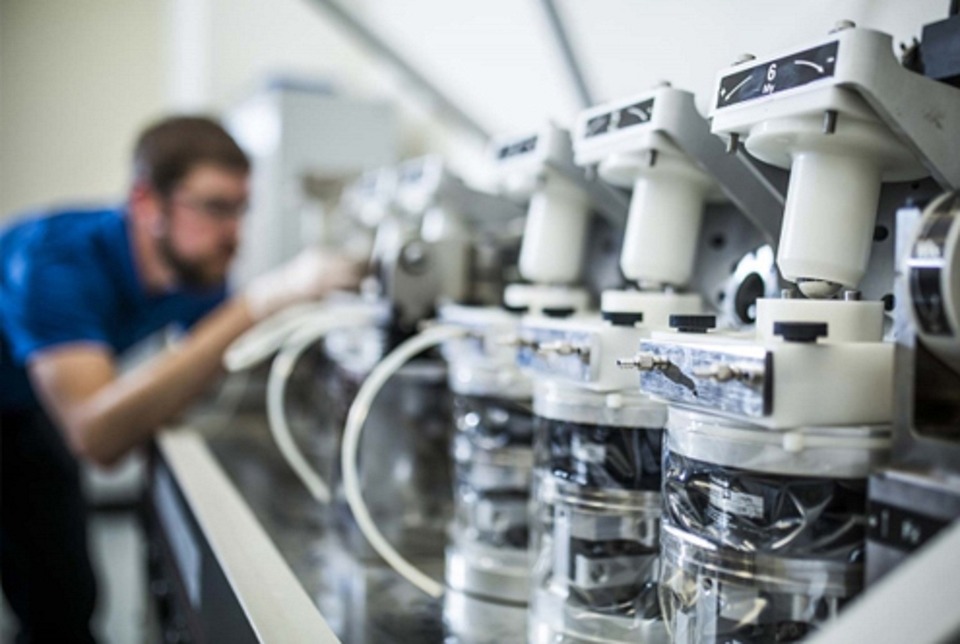
Robotics and industrial automation are revolutionizing manufacturing, logistics, healthcare, agriculture, and beyond. In 2025, the integration of factory robotics and collaborative robots (cobots) is accelerating at unprecedented rates, driven by AI, IoT, and advanced sensors. These technologies enable higher productivity, improved quality, lower operational costs, and safer workplaces. Factory robotics deliver high-speed, precise, and repeatable operations, while cobots work safely alongside humans, enhancing flexibility and efficiency.
The demand for automation is driven by rising labor costs, the need for higher efficiency, and the push toward smart manufacturing. Robotics integrates with AI for vision recognition, predictive maintenance, and adaptive learning. Cobots are increasingly adopted for tasks requiring human-like dexterity and decision-making. Automation improves throughput, reduces errors, and enables continuous operations.
Manufacturers are shifting toward Industry 4.0, combining robotics, IoT, cloud computing, and data analytics. Robotics and automation allow rapid reconfiguration of production lines, enabling faster response to market changes. Safety regulations and ergonomic considerations make cobots essential in modern factories. Predictive maintenance powered by AI reduces downtime and extends machinery life.
This blog will explore why robotics and industrial automation are trending in 2025, the key technologies driving them, business opportunities, challenges, and future outlook. We will discuss robotics types, automation applications, cobots, and service models, providing a step-by-step guide for businesses to capitalize on this transformation.
🔹 1. Factory Robotics — The Backbone of Modern Manufacturing
Factory robotics are transforming manufacturing by automating repetitive, precise, and hazardous tasks. Industrial robots are used for welding, painting, assembly, material handling, packaging, and inspection. In 2025, factory robotics adoption is expanding rapidly due to advancements in AI, sensor technology, and machine learning.
Modern robotics systems offer high speed, accuracy, and adaptability, reducing human error and improving product quality. Robotics automation increases production efficiency, lowers labor costs, and minimizes waste. Collaborative robotics enhance flexibility, allowing seamless integration with human workers for hybrid workflows.
Robots equipped with vision systems can detect defects, sort products, and guide manufacturing processes. AI-driven robotics adapt to changes in production requirements without major reprogramming. Cloud-connected robotics allow remote monitoring, diagnostics, and software updates. Predictive analytics in robotics enables proactive maintenance, reducing downtime.
Safety features such as force sensors, proximity detection, and emergency stops ensure human workers remain safe. Modular robotics systems allow businesses to scale automation based on demand. Integration with IoT devices enhances data-driven manufacturing decisions. Factory robotics are no longer luxury tools but strategic assets for competitive manufacturing.
🔹 2. Cobots — Redefining Human-Machine Collaboration
Collaborative robots (cobots) are designed to work alongside humans without safety barriers. Cobots are compact, flexible, and programmable for diverse tasks such as assembly, inspection, packaging, and material handling. They reduce the physical strain on workers and increase productivity.
Cobots are gaining traction in small and medium-sized enterprises due to affordability and adaptability. They use force sensors and AI to safely interact with humans and adapt to real-time changes. Unlike traditional robots, cobots require minimal programming, making them accessible to operators without robotics expertise.
Cobots enhance efficiency in mixed manufacturing environments where automation and human skills complement each other. They are particularly useful for customized, small-batch production. Cobots reduce repetitive strain injuries and improve workplace ergonomics. Integration with cloud and IoT systems enables real-time performance tracking and optimization.
Manufacturers can deploy cobots in production lines within hours, reducing downtime and improving ROI. Cobots are also evolving with AI-powered vision and learning systems, enabling them to perform more complex tasks. The flexibility of cobots allows for quick re-tasking in response to changing production needs. Cobots represent the future of human-machine collaboration in factories and beyond.
🔹 3. Automation in Logistics — Smarter Supply Chains
Robotics and automation are revolutionizing logistics by optimizing warehouse operations, inventory management, and delivery processes. Automated Guided Vehicles (AGVs), Automated Storage and Retrieval Systems (AS/RS), and drones streamline supply chain efficiency.
In 2025, automation in logistics will grow due to e-commerce expansion and demand for faster delivery. Robotics enables high-speed sorting, picking, packing, and loading/unloading, reducing manual labor and operational costs. IoT-enabled automation provides real-time tracking and predictive inventory management.
Autonomous mobile robots (AMRs) navigate warehouses efficiently using AI-driven pathfinding. Robotics-based logistics improve accuracy, reduce order errors, and enhance fulfillment speed. Cloud-connected systems enable remote monitoring, diagnostics, and fleet optimization. Robotics automation improves scalability for seasonal or demand-driven spikes.
Predictive analytics in logistics automation foresees bottlenecks and optimizes warehouse layouts. Robots in logistics reduce workplace injuries and enhance sustainability by lowering energy consumption. Automation enhances data-driven decision-making in supply chains. Robotics and automation are becoming indispensable in modern logistics operations.
🔹 4. Robotics in Quality Control — Precision and Efficiency
Quality control is a vital part of manufacturing, and robotics is transforming this process with unparalleled precision. Robotic vision systems equipped with AI inspect products for defects, ensuring consistent quality standards.
Automation of quality control increases inspection speed and accuracy while reducing human error. Machine learning algorithms enable vision systems to adapt to changes in product design without reprogramming. Robotics-based inspection works across industries including automotive, electronics, pharmaceuticals, and food processing.
Cobots can perform detailed inspection tasks alongside human inspectors, increasing throughput and efficiency. Cloud-based analytics of inspection data enable trend analysis and process optimization. Robotics systems can detect microscopic defects and measure product dimensions with high precision. AI-driven robotics also provide predictive defect analysis, reducing production waste.
Integration of robotics into quality control improves compliance with industry regulations and standards. Automated reporting and documentation streamline audits and traceability. Robotics improves production consistency, reducing returns and increasing customer satisfaction. The combination of robotics, AI, and IoT is reshaping quality assurance processes across industries.
🔹 5. Predictive Maintenance with Robotics — Reducing Downtime
Predictive maintenance uses robotics, sensors, and AI to anticipate equipment failures before they occur. Robotics equipped with sensors can monitor machine health, vibration patterns, temperature, and wear in real-time.
In 2025, predictive maintenance is becoming a standard part of industrial automation. AI models analyze sensor data to forecast when equipment will require maintenance, preventing unexpected downtime. Robotics systems can perform automated diagnostics and maintenance tasks, increasing reliability and uptime.
Remote monitoring of robotic systems enables centralized control of distributed manufacturing plants. Predictive maintenance reduces maintenance costs and extends machinery life. Integration with IoT networks allows seamless data flow between robots, machines, and cloud platforms. Predictive maintenance also improves safety by identifying hazardous conditions before failures occur.
Robotics-powered predictive maintenance supports sustainability by minimizing energy waste and extending the life cycle of equipment. Maintenance scheduling becomes more efficient, reducing production interruptions. Businesses adopting predictive robotics maintenance gain competitive advantages through reduced costs and increased productivity.
🔹 6. Robotics in Smart Manufacturing — Industry 4.0
Smart manufacturing integrates robotics, IoT, AI, and cloud computing to create highly automated, intelligent production systems. In 2025, Industry 4.0 is transforming manufacturing by enabling real-time production optimization.
Robotics plays a key role in smart manufacturing by automating production processes, collecting data, and enabling adaptive workflows. Connected robotics systems share performance data with centralized platforms for analysis. AI-driven robotics adapt production parameters to optimize output quality and efficiency.
Smart manufacturing allows manufacturers to customize production lines quickly for diverse product runs. Robotics-based automation increases throughput and reduces energy consumption. Integration of robotics with digital twins enables simulation and optimization of manufacturing processes. Predictive analytics ensures minimal downtime and maximized efficiency.
Smart manufacturing transforms supply chains into intelligent networks capable of real-time decision-making. Robotics-powered automation is the core enabler of this transformation, driving agility and innovation. Businesses adopting Industry 4.0 gain flexibility, speed, and cost advantages.
🔹 7. Business Opportunities in Robotics & Industrial Automation
The robotics and industrial automation market offers enormous opportunities in manufacturing, logistics, healthcare, agriculture, and more. Businesses can develop specialized robots for targeted industries such as cobots for small-scale manufacturing, inspection robots for quality control, and autonomous logistics robots.
Robotics-as-a-Service (RaaS) models allow businesses to access automation capabilities without heavy capital investment. Robotics platforms integrated with AI and IoT create value-added solutions. Custom robotic solutions tailored to specific manufacturing needs open profitable niches. Robotics training and maintenance services support adoption and customer satisfaction.
Opportunities exist in developing robotic software, AI vision systems, and predictive maintenance solutions. Collaborative robot deployments in SMEs and mid-tier industries are expanding. Automation consulting and integration services are increasingly in demand. Robotics innovation in sustainability, such as energy-efficient designs, creates new revenue streams.
The robotics and automation sector is projected to grow rapidly, offering diverse entry points for startups and established companies alike.
🔹 8. Challenges in Robotics & Industrial Automation
Despite its potential, robotics and industrial automation face several challenges. High upfront costs for robotic systems can deter small businesses. Integration with legacy systems requires expertise and investment. Robotics systems require skilled operators, programmers, and maintenance specialists.
Interoperability between robotics platforms and IoT ecosystems remains a technical challenge. Security risks from connected robotics require robust cybersecurity measures. Regulatory compliance, especially in safety-critical industries, adds complexity. Workforce adaptation and upskilling are necessary to maximize automation benefits.
Maintenance and repair logistics for robotics can be complex, especially in remote or global operations. Rapid technological changes require ongoing investment in R&D. Vendors must balance customization with standardization to ensure scalability. Sustainability challenges include reducing energy use and material waste.
Overcoming these challenges requires strategic partnerships, innovation, and skilled workforce development.
🔹 9. Future Trends in Robotics & Industrial Automation
The future of robotics and industrial automation will be defined by AI, IoT, collaborative systems, and sustainability. Cobots will evolve with enhanced perception, adaptability, and human-like dexterity. AI-powered robotics will offer predictive capabilities for quality control, maintenance, and process optimization.
Edge computing will empower real-time robotic intelligence without cloud latency. IoT integration will enable robotics to act autonomously and adapt to changing environments. Robotics will become more modular, enabling rapid deployment and task reconfiguration. Sustainability-driven robotics will prioritize energy efficiency and recyclable components.
Digital twins of robotic systems will optimize performance and predict failures. Robotics ecosystems will converge with smart manufacturing, logistics, and AI-driven analytics. The robotics and automation industry will be central to the next wave of industrial transformation, enabling unprecedented efficiency, safety, and innovation.
🔹 10. How to Start a Robotics & Industrial Automation Business in 2025
Starting a robotics and industrial automation business requires deep technical knowledge, market insight, and a strategic approach. Identify your niche — cobots, factory automation, logistics robots, or specialized robotic services. Conduct in-depth market research to assess demand, competition, and trends.
Build a skilled team with expertise in robotics engineering, AI, IoT, and industrial processes. Invest in R&D for innovative, adaptable robotic solutions. Develop scalable hardware and software architectures for easy integration. Establish partnerships with industrial clients, tech providers, and research institutions.
Ensure compliance with safety standards and regulations in target industries. Incorporate predictive analytics, AI vision, and edge computing into your products. Develop flexible business models such as RaaS or subscription-based automation services. Offer training and support to ensure successful deployments. Focus on vertical-specific solutions for competitive advantage. Continuously innovate to keep pace with technological advancements.
Conclusion
Robotics and industrial automation are no longer optional — they are essential for competitiveness in the modern economy. Factory robotics and cobots are redefining productivity, safety, and flexibility in manufacturing and logistics. In 2025, the robotics industry will continue to grow rapidly, driven by AI, IoT, edge computing, and Industry 4.0.
Automation reduces costs, improves quality, and enables agility in responding to market changes. Collaborative robotics bring human-machine synergy to a wide range of industries. Predictive maintenance powered by robotics increases uptime and efficiency. Smart manufacturing integrates robotics into intelligent, adaptive production systems.
Business opportunities in robotics and automation span hardware, software, AI integration, consulting, and RaaS models. Challenges include high costs, integration complexity, security, and workforce adaptation. Overcoming these requires strategic vision, partnerships, and innovation.
The future of robotics and industrial automation is intelligent, collaborative, modular, and sustainable. Businesses investing in this field today will be at the forefront of industrial transformation, shaping the future of work, manufacturing, and global commerce. Robotics is not just the future — it is the present reshaping industries worldwide.