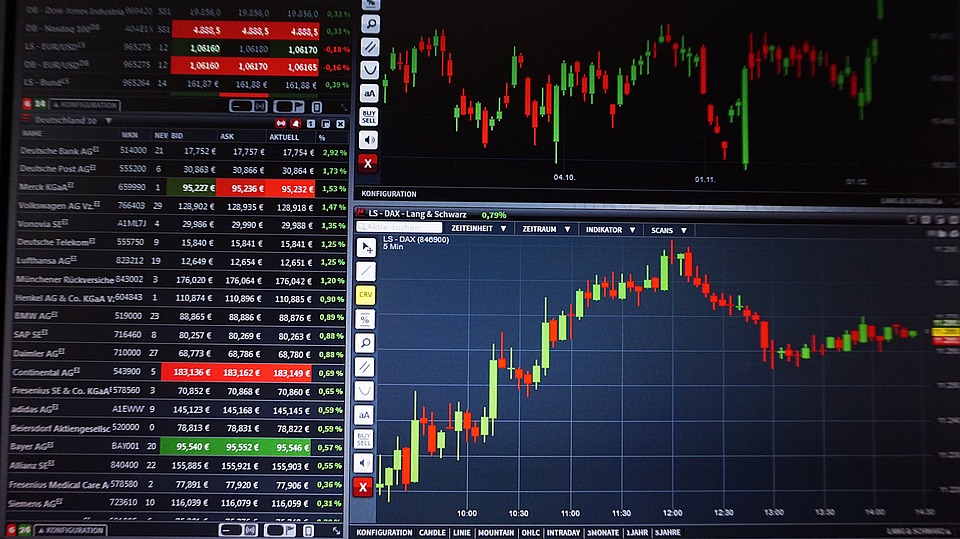
The concept of open stock plays a vital role in modern finance and business as it represents liquidity, flexibility, and accessibility for investors. Open stock refers to shares that are freely traded on the stock market, allowing both retail and institutional investors to buy or sell them without restrictions. In today’s fast-paced financial environment, open stock performance is closely watched as it reflects market trends, investor confidence, and overall economic health. Understanding the dynamics of open stock is essential for anyone looking to navigate the finance and business world with informed decisions. With global markets experiencing rapid changes, keeping an eye on open stock movements provides valuable insights into investment opportunities and risks.
1. What Is Open Stock in Finance?
Open stock is defined as publicly traded shares of a company available for exchange in the stock market. Unlike restricted shares or privately held equities, open stock can be bought and sold freely by anyone. This makes it a key driver of stock market activity and an indicator of investor sentiment. For companies, offering open stock provides an opportunity to raise capital, increase visibility, and expand their financial footprint. From the perspective of investors, open stock brings flexibility and liquidity, which are critical in achieving long-term financial goals. As financial markets evolve, open stock continues to play a central role in shaping investment strategies worldwide.
2. The Importance of Open Stock in Business Growth
Businesses that issue open stock can secure vital funding for expansion, innovation, and acquisitions. The sale of open stock allows companies to generate capital without relying solely on loans or private investors. By becoming publicly traded, companies gain credibility in the financial world, making them more attractive to customers, partners, and stakeholders. Furthermore, open stock provides transparency, as public companies are required to disclose their financial performance regularly. This strengthens investor trust and ensures accountability. For businesses aiming to achieve sustainable growth, leveraging open stock effectively is a critical factor in maintaining competitiveness in the market.
3. How Open Stock Reflects Market Sentiment
The performance of open stock is often a mirror of investor confidence and broader market sentiment. When open stock prices rise, it signals optimism about the company’s growth prospects and overall economic health. Conversely, falling stock prices may reflect concerns about business performance or external financial conditions. Traders and investors closely monitor open stock trends to anticipate shifts in the market and adjust their portfolios accordingly. Analysts use open stock performance as a benchmark to measure industry competitiveness and consumer demand. As such, open stock serves as a pulse check on both company-specific and macroeconomic conditions.
4. Open Stock and Global Finance Trends
Global finance is heavily influenced by the movements of open stock across international markets. With increasing globalization, open stock performance in one country can impact investor behavior worldwide. For example, U.S. open stock activity often sets the tone for global financial markets due to its scale and influence. Similarly, open stock in emerging economies reflects growth potential and investment opportunities for international investors. Open stock also responds to geopolitical tensions, trade agreements, and economic policies, making it a vital indicator of global financial stability. Investors who track open stock trends across markets gain a competitive advantage in predicting global finance movements.
5. Open Stock Trading Strategies for Investors
Investors use various strategies to maximize returns from open stock. Some focus on long-term investments, holding open stock of stable companies with consistent growth. Others adopt short-term trading strategies, buying and selling open stock based on market fluctuations. Technical analysis, fundamental analysis, and sentiment tracking are commonly used to assess open stock opportunities. Diversification is another critical approach, where investors spread their investments across multiple open stock categories to minimize risks. With the rise of digital trading platforms, access to open stock markets has become easier, empowering individuals to participate in finance like never before.
6. The Role of Technology in Open Stock Markets
Technology has revolutionized the way open stock is traded and analyzed in finance. Online platforms, AI-driven trading algorithms, and real-time data analytics allow investors to make informed decisions instantly. Mobile trading apps have democratized access to open stock markets, enabling millions of individuals to participate in financial activities from anywhere in the world. Blockchain technology is also being explored to bring more transparency and efficiency to stock trading. With fintech innovations, open stock transactions have become faster, safer, and more accessible, reshaping the future of finance and business.
7. Risks and Challenges of Open Stock Investing
While open stock offers many opportunities, it also comes with risks that investors must be prepared for. Market volatility, economic downturns, and sudden policy changes can significantly affect open stock prices. Speculative trading and herd mentality may also lead to unpredictable market swings. For businesses, issuing open stock means sharing control with shareholders and facing constant market scrutiny. Investors need to conduct thorough research, manage risks wisely, and avoid emotional decisions when dealing with open stock. Balancing risk with reward is crucial to succeeding in the ever-changing world of finance and business.
8. Open Stock in Times of Economic Uncertainty
During periods of economic instability, open stock markets often experience sharp fluctuations. Factors like inflation, interest rate hikes, and geopolitical conflicts influence open stock performance significantly. Investors may shift toward safer assets such as bonds or gold, causing open stock markets to experience short-term declines. However, long-term investors often view economic downturns as opportunities to buy open stock at lower prices. Businesses issuing open stock during uncertain times face challenges in maintaining valuations but can also attract strategic investors. Understanding how open stock behaves in uncertain conditions helps investors prepare for future financial shifts.
9. Open Stock and Business Innovation
Open stock plays a crucial role in fostering innovation and driving industry transformation. Companies that raise capital through open stock can invest in new technologies, research, and product development. This not only benefits the company but also fuels economic growth and competition across industries. Investors are often drawn to open stock of businesses that prioritize innovation, as it signals long-term growth potential. From startups to multinational corporations, open stock remains a vital tool for funding groundbreaking projects and expanding global influence. Business innovation and open stock go hand in hand in shaping the future of finance and business.
10. Future of Open Stock in Global Business
The future of open stock is expected to be more dynamic as financial markets continue to evolve. Digitalization, increased global participation, and stricter regulations will reshape how open stock is traded. Sustainable investing and ESG (Environmental, Social, and Governance) considerations are gaining traction, influencing open stock preferences among investors. Additionally, technological disruptions such as AI, blockchain, and decentralized finance (DeFi) are set to transform open stock markets further. As businesses and investors adapt to these changes, open stock will remain a cornerstone of financial growth, stability, and opportunity in the global economy.
Conclusion
Open stock is at the heart of today’s finance and business landscape, offering both opportunities and challenges for companies and investors alike. From fueling business expansion to reflecting market sentiment, open stock serves as a critical indicator of economic health and investment potential. By understanding its dynamics, risks, and future trends, investors can make informed choices that align with their financial goals. For businesses, issuing open stock ensures capital growth, transparency, and credibility in the global market. As finance continues to evolve, open stock will remain an essential pillar in shaping the world of investment and business.