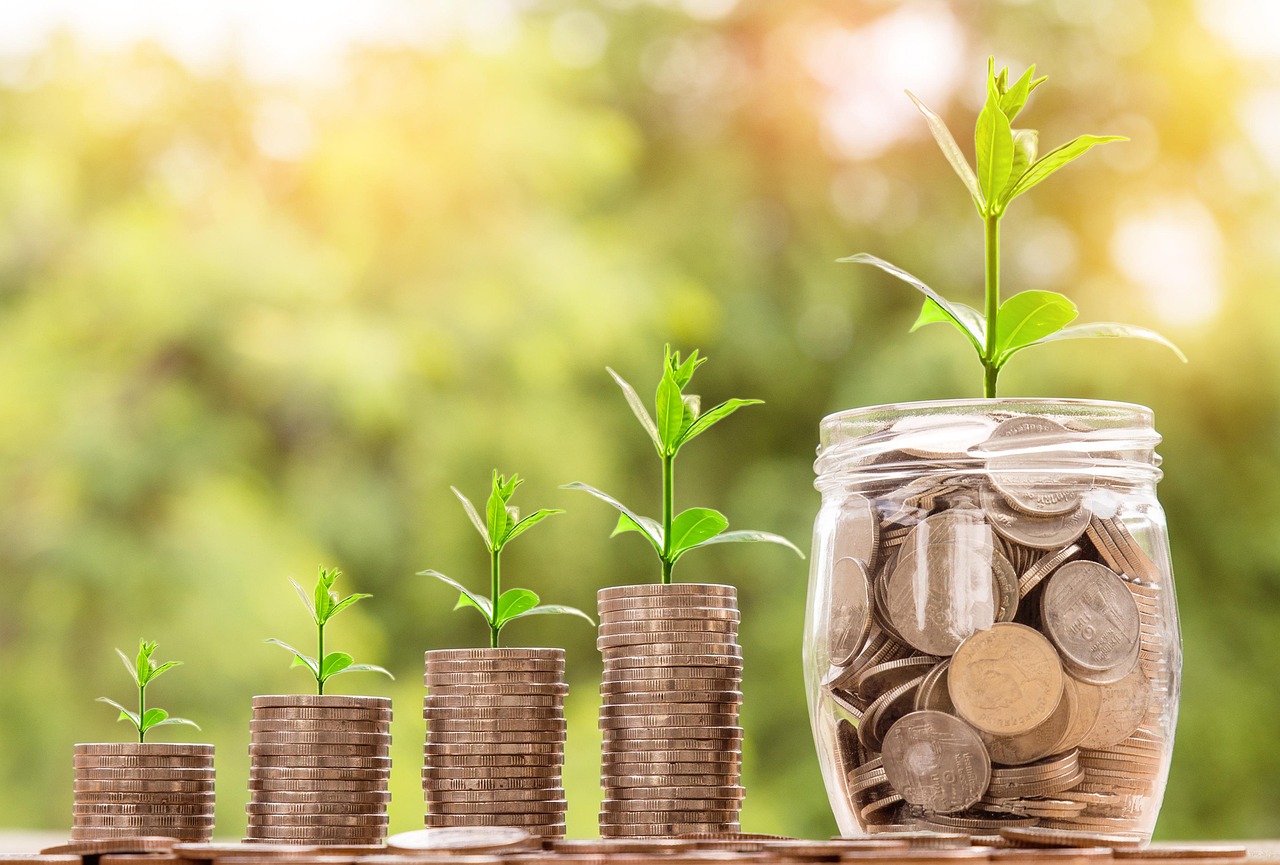
The story of global startups is one of resilience, creativity, and vision, showing how small ideas can evolve into billion-dollar businesses that shape industries worldwide. Yesterday’s entrepreneurs faced massive barriers—lack of funding, limited market access, and low exposure—yet their persistence laid the foundation for today’s thriving startup ecosystems. Today, technology, digital connectivity, and globalization have lowered entry barriers, giving startups powerful tools to grow faster than ever. Future startups, however, will face new challenges, from AI-driven competition to sustainability demands and rapidly changing customer behavior. This evolution from yesterday to tomorrow is filled with lessons and opportunities. By studying how startups overcame early struggles, how they thrive in the present, and how they can prepare for the future, aspiring entrepreneurs worldwide can create strategies that ensure lasting success. Whether you’re in Silicon Valley, Bangalore, Berlin, or Lagos, the principles of scaling a small idea into a global enterprise remain relevant. In this blog, we’ll explore the startup journey through practical answers to the biggest questions entrepreneurs ask, providing insights into funding, product-market fit, technology adoption, and future-proofing strategies for 2030 and beyond.
1. What factors allowed early startups to grow from small ideas into global businesses?
Yesterday’s startups succeeded because of vision, timing, and persistence, even when they lacked access to today’s resources. Think of Apple in a garage or Amazon selling books online; their growth was fueled by identifying unmet needs at the right time. Early entrepreneurs often relied on intuition and solving a personal problem, which later turned out to be a global demand. The growth was not immediate—years of trial, error, and iteration shaped their breakthroughs. They succeeded because they created unique value and connected emotionally with their first customers. Word of mouth, early adopters, and relentless focus on solving a pain point turned small ventures into businesses with worldwide appeal. While infrastructure was limited, those who focused on delivering consistent customer value survived the harsh business environment. Even with limited global exposure, early startups that prioritized innovation, trust, and customer loyalty laid the foundation for scaling. The biggest factor was not capital but mindset: a willingness to think big while starting small. This shows us that the essence of entrepreneurship has always been about solving problems better than anyone else, and the lesson holds true today and tomorrow.
2. How did founders overcome resource constraints and risk in the early days?
Yesterday’s founders didn’t have access to today’s vast funding networks, venture capital, or accelerators. Instead, they used personal savings, borrowed from friends and family, or bootstrapped their way to survival. Many early businesses started with extremely lean operations, focusing only on essentials while reinvesting every dollar back into growth. They embraced creative problem-solving—like bartering services, using second-hand equipment, or relying on sweat equity instead of salaries. Risk was part of their daily journey, but rather than avoiding it, they calculated risks carefully and took bold steps forward. Resilience, patience, and learning from failure were essential in times when markets were less forgiving. Early-stage struggles taught founders to become disciplined with resources, prioritize customer satisfaction, and build trust that attracted investors later. In many cases, the lack of resources forced innovation and pushed entrepreneurs to create highly efficient, scalable systems. Today’s entrepreneurs can learn from this mindset: success is not always about raising millions but about managing limited resources effectively, solving real problems, and building value step by step. Risk becomes manageable when paired with creativity, focus, and perseverance.
3. What startup strategies are effective in today’s tech ecosystem?
Today, the startup ecosystem is dynamic, fast-moving, and globally connected, giving entrepreneurs more opportunities than ever before. One of the most effective strategies is adopting the lean startup approach—building a minimum viable product (MVP), testing it in real markets, gathering feedback, and iterating quickly. Digital marketing, social media, and influencer partnerships have also become crucial for visibility and customer acquisition. Startups today thrive by leveraging cloud computing, SaaS tools, and automation to reduce operational costs and scale faster. Collaboration through accelerators, incubators, and co-working hubs allows startups to connect with mentors, investors, and potential partners worldwide. Another powerful strategy is focusing on niche markets before expanding globally—winning locally, then scaling internationally. Agile methodologies ensure teams can pivot quickly when needed. The best startups today also integrate sustainability, social responsibility, and customer-first cultures to differentiate themselves in competitive markets. Unlike yesterday’s resource constraints, startups today can tap into crowdfunding, angel investors, or global venture funds. In short, startups that blend innovation, speed, and customer-centric strategies stand the best chance of thriving in the modern tech-driven ecosystem.
4. How do startups secure funding and investment now compared to the past?
Yesterday’s founders had limited access to investors and often relied heavily on personal or family resources. Today, the global funding landscape has dramatically transformed, offering multiple channels for entrepreneurs to raise capital. Venture capital, angel networks, and private equity funds are more accessible than ever, especially in tech hubs like San Francisco, Singapore, and Bangalore. Platforms like Kickstarter and Indiegogo enable crowdfunding, allowing startups to raise money directly from customers while validating demand. Government grants, startup accelerators, and competitions also provide funding opportunities and exposure. Unlike the past, where convincing one bank or investor could make or break a startup, today’s entrepreneurs can showcase traction, metrics, and user data to attract diverse funding sources. Transparency, storytelling, and a compelling vision remain critical, but modern startups benefit from a broader range of financing tools. The biggest change is that capital now flows globally—investors seek startups from all regions, not just traditional markets. However, the challenge today is competition: securing funding requires clear differentiation, strong execution, and proof of scalability. Tomorrow’s founders will need to be even more creative in combining funding with sustainability to ensure long-term growth.
5. What role does product-market fit play in scaling a startup globally?
Product-market fit is the foundation upon which every successful startup is built, yesterday, today, and tomorrow. Yesterday’s entrepreneurs may not have used the term, but they knew that solving a real problem for a specific audience was the only way to survive. Apple’s first computers appealed to hobbyists before evolving into mass-market devices. Today, the concept is well-documented—startups must validate that customers not only need their product but are willing to pay for it. Without product-market fit, even well-funded startups collapse under the weight of poor demand. Achieving product-market fit requires deep customer research, iteration, and listening to feedback rather than pushing assumptions. Once validated, scaling becomes much easier because growth is supported by real demand. Globally, startups need to adapt to cultural differences, regulations, and local market preferences to maintain fit across regions. Tomorrow’s startups will need to ensure product-market fit in an even more competitive environment, where AI, automation, and personalization will set higher expectations. The lesson is clear: no amount of funding or marketing can compensate for the absence of a strong product-market fit. It is the universal rule for startup growth across all eras.
6. How important are networks, mentorship, and ecosystem support for startup growth today?
Yesterday, many entrepreneurs struggled in isolation, building without mentors, communities, or startup ecosystems to guide them. Today, the landscape has changed significantly—networks and mentorship are critical accelerators of success. Startup ecosystems now provide co-working spaces, incubators, accelerators, and global networking opportunities where entrepreneurs can learn, collaborate, and grow together. Mentorship from experienced founders, investors, and industry leaders helps startups avoid common pitfalls and scale faster. Global platforms like LinkedIn, Y Combinator, and Techstars connect entrepreneurs across continents, allowing knowledge-sharing at unprecedented levels. Networking also helps with fundraising, partnerships, and customer acquisition. For startups today, being part of an ecosystem is almost as important as the product itself—ecosystem strength often determines survival and scalability. Tomorrow, ecosystem support will extend beyond geography as virtual incubators, AI-powered mentorship, and global investor pools make it easier for startups anywhere in the world to thrive. For aspiring entrepreneurs, the key takeaway is that success is rarely achieved alone—building networks, seeking mentorship, and leveraging communities is the modern path to sustainable growth and global scale.
7. What are the biggest challenges global startups face in expansion?
Expanding a startup globally has always been challenging, but today’s landscape brings new complexities. Yesterday’s founders struggled primarily with logistics, limited capital, and communication barriers. Today’s challenges include regulatory compliance across countries, cultural differences, talent acquisition, and competition with established players. Startups expanding internationally must adapt their products, marketing, and customer support to local preferences while maintaining consistent brand identity. Payment systems, taxation laws, and legal structures vary widely across regions, making compliance a significant barrier. Language barriers and cultural nuances can make or break customer adoption in foreign markets. Accessing local networks, hiring trusted teams, and establishing supply chains are also critical hurdles. Tomorrow, startups will face even more advanced challenges, such as AI-driven competition, stricter data privacy laws, and environmental sustainability demands. However, these struggles also create opportunities for startups that can master adaptation and agility. The solution lies in conducting deep market research, hiring locally where possible, and using partnerships to navigate regulatory and cultural landscapes. Expansion is not just about scaling products; it’s about scaling trust across different parts of the world.
8. How are digital tools and remote work shaping the growth of startups for the future?
Digital transformation has revolutionized how startups operate, reducing costs and expanding opportunities globally. Yesterday’s startups were limited by physical offices, local hiring, and manual systems. Today, cloud computing, project management tools, and remote work allow startups to operate leaner and more flexibly than ever before. Platforms like Slack, Zoom, and Trello make global collaboration seamless, while digital marketing enables startups to reach international customers instantly. Remote work has also opened talent pools worldwide, allowing startups to hire the best talent regardless of location. This democratization of opportunity means a startup in Nairobi can collaborate with engineers in India and designers in the U.S. without geographical limits. For the future, digital tools will become even more powerful with AI-driven automation, predictive analytics, and immersive technologies like AR/VR reshaping customer engagement. Remote-first startups will dominate as they combine cost efficiency with global scalability. However, the challenge lies in building culture, trust, and collaboration in remote teams. The future belongs to startups that balance digital efficiency with human connection, using technology as a bridge, not a barrier, to long-term sustainable growth.
9. What business models are predicted to scale best in the next decade?
The future of global startups will be shaped by innovative business models that align with customer needs and technological shifts. Yesterday, traditional models like retail, hardware sales, or subscriptions dominated. Today, we see the rise of SaaS, marketplaces, gig-economy platforms, and direct-to-consumer (DTC) brands. These models work because they leverage digital distribution, scalability, and recurring revenue. Tomorrow, the business models likely to scale will focus on sustainability, AI-driven personalization, and decentralized systems like blockchain. Subscription-based ecosystems, green-tech solutions, and platform-based models will dominate the startup landscape. Digital health, edtech, fintech, and clean energy are already seeing massive growth and will continue to expand. Business models that prioritize data-driven insights, customer trust, and social impact will resonate globally. The shift is toward scalable, adaptable, and purpose-driven models that combine profitability with responsibility. For founders, the takeaway is clear: don’t just copy yesterday’s success stories—anticipate where the world is heading and align your business model with future demands. Startups that innovate business models will be the ones that dominate the global stage by 2030.
10. How can startups build sustainable growth that lasts beyond the initial hype?
Sustainable growth is the ultimate challenge for startups, as many achieve early traction but fail to maintain momentum. Yesterday’s businesses focused on long-term customer relationships, slowly building reputation and trust. Today, many startups prioritize speed and scale but risk burning out without solid foundations. Sustainable growth requires balancing innovation with operational discipline—scaling without losing quality or customer focus. It also means diversifying revenue streams, building strong teams, and fostering company cultures that retain talent. Customer loyalty, transparency, and adaptability are keys to long-term survival. Tomorrow’s startups will need to add an additional layer: sustainability in environmental and social terms. Investors, governments, and customers increasingly demand businesses that operate responsibly. Startups must focus not just on profits but on creating real, lasting value for society. The solution lies in adopting a long-term vision, continuously evolving with market needs, and embedding resilience in every layer of the business. True sustainability comes from combining vision, execution, and responsibility—a formula that ensures survival beyond initial hype and enables global dominance.
Conclusion
The rise of global startups is a story of evolution—yesterday’s struggles laid the groundwork for today’s thriving ecosystems, and today’s strategies will define tomorrow’s winners. From garage projects to billion-dollar companies, the lessons are clear: vision, resilience, and customer value drive success across all eras. Yesterday’s founders proved that limited resources could still build world-changing companies. Today, technology, networks, and global markets empower startups to scale faster than ever. Tomorrow, sustainability, AI, and adaptability will separate winners from losers. Startups worldwide must focus on solving real problems, adapting strategies to new challenges, and aligning with global trends to remain relevant. The journey is never easy, but it is possible for anyone willing to combine creativity with discipline. Whether you’re just starting with a small idea or already scaling internationally, the lessons from yesterday, strategies for today, and visions for tomorrow provide a roadmap. The world is ready for the next generation of entrepreneurs to rise—and with the right mindset and tools, small ideas can once again grow into the big businesses that shape our global future.