Digestive Health and Gut Care Guide

Digestive health is a cornerstone of overall well-being in 2026. A healthy gut not only aids digestion but also supports immunity, mental health, and energy levels. This comprehensive guide explores how to improve digestive health through diet, lifestyle, and effective gut care practices.

📅 Published: 2026-03-01 ✏️ Updated: 2026-03-01 ⏱ 1 min read 📝 194 words 👁 0 views
Digestive Health and Gut Care Guide

What is Digestive Health?

Digestive health refers to the proper functioning of the digestive system.

It includes digestion, absorption, and elimination.

Importance of Gut Health

The gut plays a vital role in immunity and overall health.

A healthy gut improves well-being.

Common Digestive Issues

Problems include bloating, constipation, and indigestion.

Addressing them early is important.

Role of Gut Microbiome

The gut microbiome consists of beneficial bacteria that support digestion.

Balance is essential.

Foods for Healthy Digestion

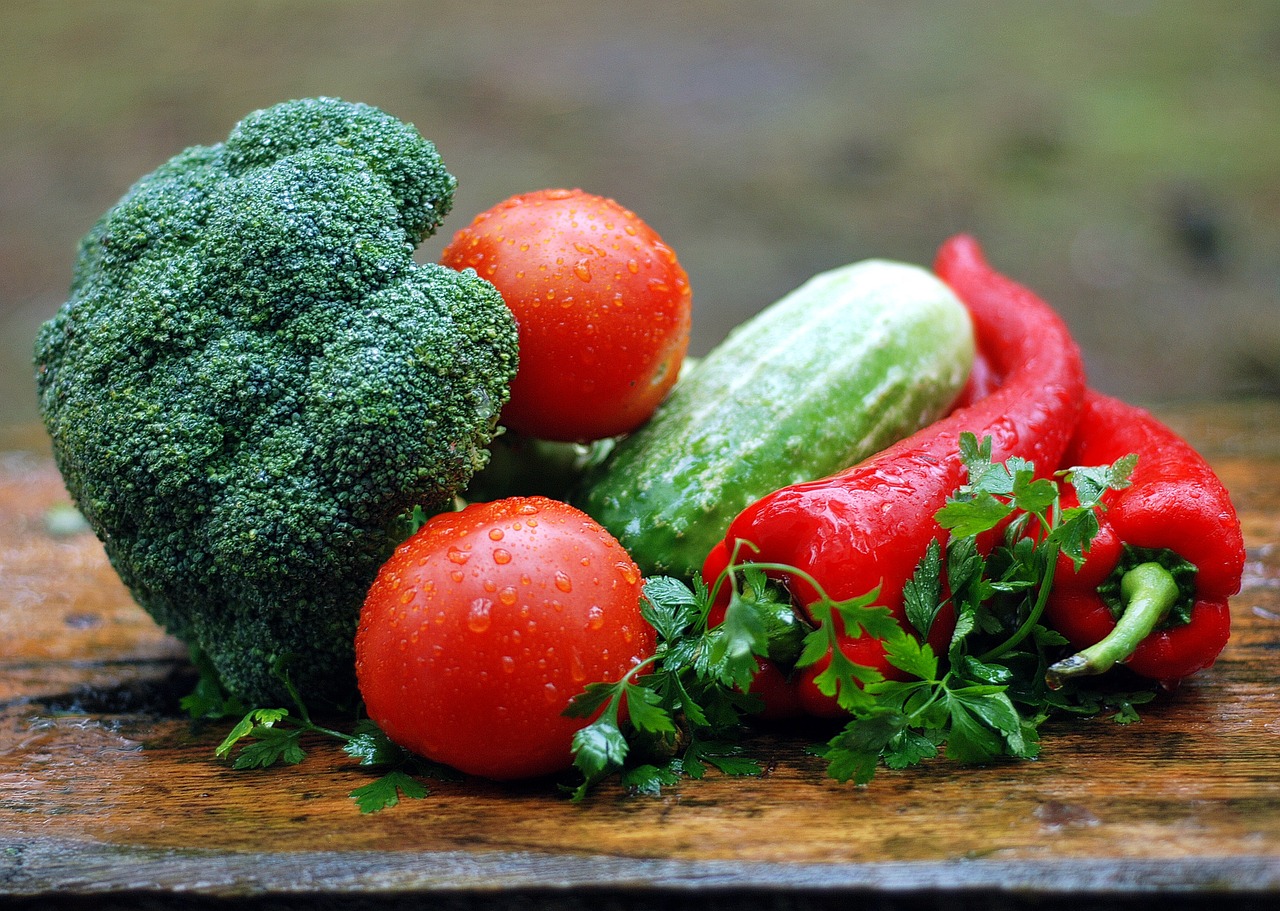
Include fiber-rich foods, fruits, vegetables, and whole grains.

They support gut health.

Importance of Probiotics

Probiotics are beneficial bacteria that improve gut health.

Include yogurt and fermented foods.

Prebiotics and Their Role

Prebiotics feed beneficial gut bacteria.

Include foods like garlic and bananas.

Hydration and Digestion

Water supports digestion and nutrient absorption.

Stay hydrated.

Exercise and Gut Health

Physical activity improves digestion.

Stay active.

Stress and Digestion

Stress negatively impacts gut health.

Practice relaxation techniques.

Healthy Eating Habits

Eat slowly and chew food properly.

Maintain regular meal timings.

Avoid Processed Foods

Processed foods can disrupt gut balance.

Choose natural options.

Sleep and Gut Health

Quality sleep supports digestive function.

Maintain a regular sleep schedule.

Long-Term Gut Care

Consistent healthy habits ensure long-term digestive health.

Focus on sustainability.

Conclusion

Improving digestive health in 2026 requires a balanced diet, proper hydration, and healthy lifestyle habits. By caring for your gut, you can enhance your overall health and well-being.

Start your gut care journey today.
Dfluxspace Research Team

This article has been researched, reviewed and published by the Dfluxspace Research Team.

Last Reviewed: 2026-03-01

FODMAP Digestive Enzymes: Can They Make Certain Foods Easier to Digest?

FODMAP Digestive Enzymes: Can They Make Certain Foods Easier to Digest?

FODMAP digestive enzymes are becoming increasingly popular among people who experience bloating, gas, abdominal discomfort or other digestive symptoms after eating foods such as dairy, beans, onions, garlic and certain fruits. But can an enzyme supplement actually make these foods easier to digest, or are most “digestive enzyme” claims ahead of the science? The answer is more complicated than a simple yes or no. Certain enzymes can target specific FODMAP carbohydrates. Lactase can break down lactose, while alpha-galactosidase can break down galacto-oligosaccharides (GOS). Other enzymes, including those designed to target fructose or fructans, have more limited or emerging evidence. Research suggests that the effectiveness of an enzyme depends heavily on which FODMAP you react to, what food you are eating, the dose and how the enzyme is used.

Frequently Asked Questions

Fiber-rich foods, probiotics, and prebiotics improve gut health.

Stress can disrupt digestion and lead to gut issues.

They are beneficial for maintaining a healthy gut microbiome.

