Introduction: Beef Protein vs Whey Is More Complicated Than It Looks
Protein powder has become one of the most common sports-nutrition products in the world.
Walk into almost any supplement store and you will find whey protein, casein, plant proteins and increasingly a range of alternative animal-based protein products.
One of those alternatives is beef protein powder.
Beef protein is often marketed as a dairy-free or different animal-based option for people who do not want conventional whey.
But does beef protein actually build muscle as effectively as whey?
Is beef protein easier to digest?
Does it contain enough leucine and essential amino acids to maximize muscle protein synthesis?
And does the word "beef" on the label necessarily mean that the powder has the same nutritional characteristics as eating beef?
The answers depend heavily on how the product is manufactured.
Whey and beef-derived protein powders can have very different amino-acid profiles, digestibility characteristics and nutritional purposes.
For someone choosing a protein supplement in 2026, understanding these differences is much more useful than simply comparing marketing claims.
What Is Whey Protein?
Whey protein is a dairy-derived protein obtained during cheese production.
Milk contains two major protein fractions: casein and whey.
Whey is generally considered a high-quality protein because it contains all of the essential amino acids required by the human body.
It is also particularly rich in branched-chain amino acids, including leucine.
Leucine is especially important because it acts as a major nutritional signal involved in regulating muscle protein synthesis.
Whey is available in several common forms.
Whey Protein Concentrate
Whey concentrate contains substantial amounts of protein but also retains some lactose, minerals and other components of milk.
The exact protein percentage varies between products.
Whey Protein Isolate
Whey isolate undergoes additional processing to remove more of the non-protein components.
It generally contains a higher proportion of protein and less lactose than many whey concentrates.
Hydrolyzed Whey
Hydrolyzed whey has undergone partial enzymatic breakdown of proteins into smaller peptides.
It is often marketed as easier or faster to digest, although the practical advantage over conventional whey varies according to the individual and the specific product.
What Is Beef Protein Powder?
The phrase "beef protein powder" can be misleading because products sold under this category are not necessarily nutritionally equivalent to ordinary beef.
Some products use hydrolyzed beef-derived protein.
Others may use protein ingredients derived from collagen-rich tissues or blends of different animal proteins.
This means consumers should read the ingredient and nutrition labels rather than assuming every beef protein powder has the same amino-acid composition.
Protein source matters, but the actual amino-acid profile matters even more when the goal is muscle growth.
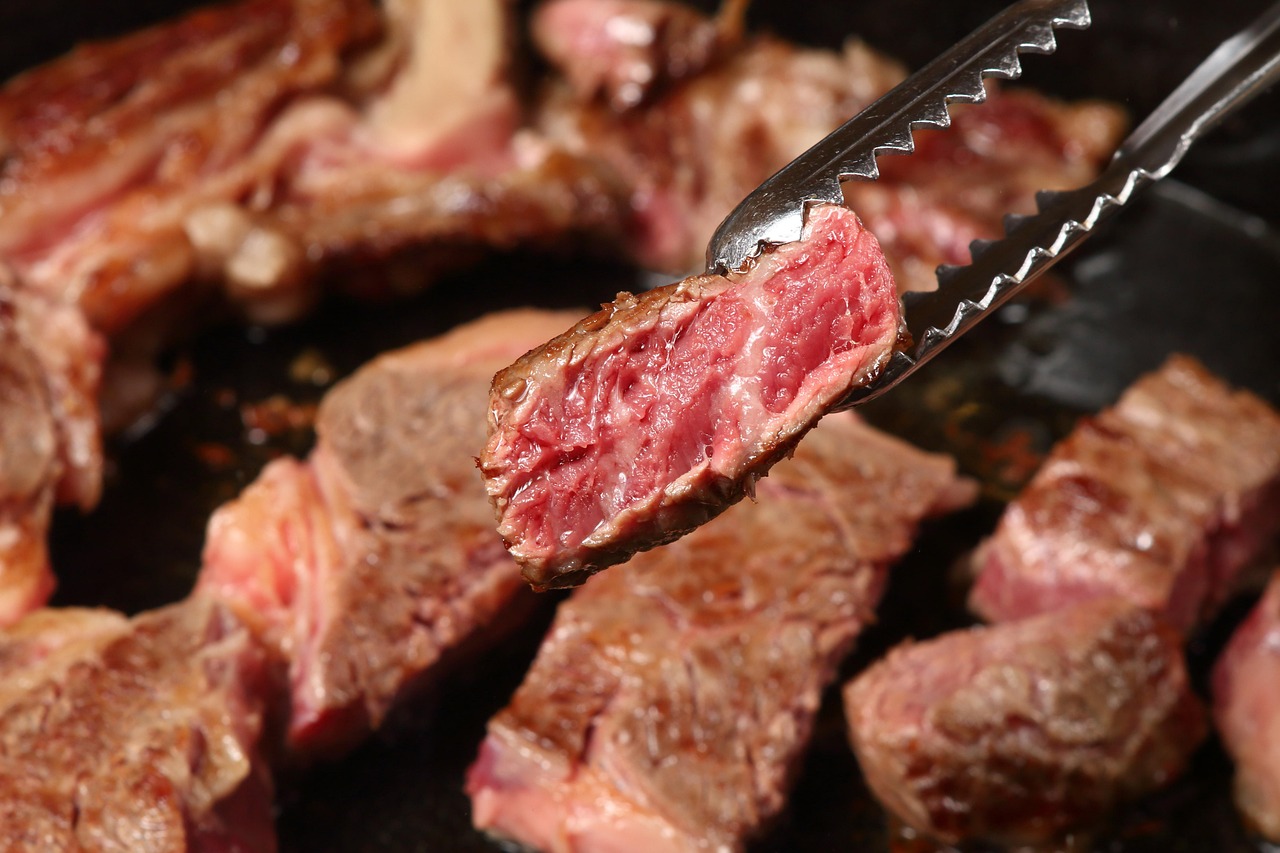
Is Beef Protein the Same as Eating Beef?
No.
A steak is a whole food containing protein along with fat, minerals, water and other nutrients.
A powdered protein supplement is a processed concentrated protein ingredient.
Furthermore, some beef protein powders may be produced from tissues with different protein compositions than skeletal muscle.
Collagen, for example, is a protein found extensively in connective tissue but has a different amino-acid profile from muscle proteins.
Therefore, "beef protein" should not automatically be interpreted as powdered steak.
Why Protein Quality Matters
Not all proteins provide identical amounts of every essential amino acid.
The body requires nine essential amino acids from the diet because it cannot synthesize them in sufficient quantities itself.
A protein source that provides adequate amounts of these amino acids is generally considered a complete protein.
But even among complete proteins, amino-acid composition can differ.
This matters particularly for muscle protein synthesis.
Why Leucine Matters for Muscle Growth
Leucine is one of the three branched-chain amino acids.
It plays an important signaling role in the regulation of muscle protein synthesis through pathways including mTORC1.
Whey protein is naturally rich in leucine.
This is one reason whey has been extensively studied in resistance-training nutrition.
A protein powder that provides less leucine per serving may require a larger serving or combination with other protein sources to deliver a comparable amino-acid stimulus.
Whey vs Beef Protein: Amino-Acid Differences
Whey generally has a strong essential-amino-acid profile and a relatively high leucine content.
Beef-derived protein products can vary considerably.
A product based primarily on muscle-derived beef proteins will have a different nutritional profile from one containing a substantial amount of collagen-derived protein.
Collagen is particularly low in some essential amino acids and is not considered an ideal standalone protein for stimulating muscle protein synthesis.
This is one of the most important points consumers should understand when comparing beef protein with whey.
Which Is Better for Muscle Protein Synthesis?
For maximizing muscle protein synthesis from a convenient protein supplement, whey has a strong evidence base.
Its digestibility, essential-amino-acid content and leucine concentration make it a highly effective protein source.
Some beef protein products may also provide substantial high-quality protein.
However, the answer depends on the specific formulation.
A beef protein powder with an amino-acid profile similar to high-quality muscle protein is not nutritionally equivalent to a collagen-heavy product.
Therefore, consumers should evaluate the actual protein source rather than relying solely on the product category.
Does Beef Protein Build Muscle?
Yes, a sufficiently high-quality beef-derived protein can contribute to muscle growth when total protein intake, energy intake and resistance training are appropriate.
Muscle growth does not depend on one particular protein powder.
The overall diet and training program matter much more.
However, protein quality can influence how efficiently a given serving provides essential amino acids.
This is why whey remains a popular option among athletes and people performing resistance training.
Is Whey Protein Easier to Digest?
For many people, whey is rapidly and efficiently digested.
However, digestion is highly individual.
Some people experience bloating, gas or discomfort after consuming whey products.
In some cases, the problem may be lactose rather than whey protein itself.
Whey isolate generally contains less lactose than whey concentrate.
People with significant lactose intolerance may therefore tolerate an isolate better, although individual responses differ.
Can Beef Protein Be Easier on the Stomach?
Some people report that beef protein feels easier to digest than dairy-based protein.
This may be particularly relevant to individuals who experience digestive discomfort from lactose or dairy products.
However, there is no universal rule that beef protein is easier to digest.
Different formulations can contain different sweeteners, gums, flavoring agents and protein sources, all of which can influence digestive comfort.
The correct comparison is therefore product against product rather than category against category.
Beef Protein for People Avoiding Dairy
One potential advantage of beef-derived protein is that it can provide an animal-based alternative for people who want to avoid conventional dairy proteins.
This can be useful for individuals who do not tolerate whey well.
However, consumers should check the complete ingredient list because some supplement products may contain additional dairy ingredients.
A dairy-free claim should always be evaluated against the actual product label.
Beef Protein vs Whey for Lactose Intolerance
Lactose is the natural sugar found in milk.
Whey concentrate can contain measurable lactose.
Whey isolate usually contains considerably less lactose because of additional filtration and processing.
People with lactose intolerance may therefore have several options.
They may tolerate whey isolate, use a lactose-free product or choose a non-dairy protein.
Beef-derived protein can be one alternative, provided the specific product meets their nutritional requirements.
Calories and Macronutrients
Protein powders can differ substantially in calories.
Some products are primarily protein and contain relatively little fat or carbohydrate.
Others contain added fats, carbohydrates, sweeteners or other ingredients.
When comparing beef protein and whey, the protein percentage per serving is more useful than simply comparing scoop sizes.
Consumers should examine grams of protein, calories, carbohydrates and fats per serving.
Does Beef Protein Contain Fat?
The answer depends on processing.
Highly purified protein powders can contain relatively little fat.
Less-refined animal protein products may contain more non-protein components.
Therefore, the label is the best source of information for the actual product.
Does Whey Contain Carbohydrates?
Whey concentrate can contain lactose and therefore some carbohydrate.
Whey isolate generally contains less lactose and carbohydrate.
The amount varies among products.
People following very low-carbohydrate diets may therefore prefer an isolate or another highly purified protein powder.
Beef Protein vs Whey for Weight Loss
Neither protein powder automatically causes fat loss.
Fat loss primarily depends on maintaining an appropriate energy balance over time.
Protein can nevertheless be useful during weight loss because it supports maintenance of lean tissue and can contribute to satiety.
The best protein powder for a person trying to lose fat is therefore usually the one that provides adequate protein with appropriate calories and is easy to consume consistently.
Which Protein Is Better for Muscle Recovery?
Both can contribute to recovery by supplying amino acids required for tissue repair and adaptation.
Whey has particularly strong research support for post-exercise protein feeding.
However, total daily protein intake is more important than obsessing over a narrow post-workout window.
A balanced protein intake distributed across the day can support muscle maintenance and growth.
Does Protein Timing Matter?
Protein timing can matter, but it should be considered within the context of the entire day.
For people who train regularly, consuming adequate protein across several meals can help provide repeated opportunities for muscle protein synthesis.
A protein shake after training can be a convenient way to meet daily requirements.
It does not need to be consumed immediately after the final repetition to be useful.
How Much Protein Do Active People Need?
Protein requirements depend on body size, training volume, age, energy intake and goals.
People who perform resistance training generally need more protein than sedentary individuals.
Research on exercising populations commonly places daily protein intake in a range around 1.4 to 2.0 grams per kilogram of body weight, with individual circumstances affecting the appropriate target.
During calorie restriction, higher protein intakes may sometimes be useful for preserving lean mass.
Individual needs should be considered rather than treating one number as universal.
Can You Take Beef Protein Every Day?
For most healthy adults, a protein powder can be used as part of a balanced diet when consumed according to the product instructions and overall dietary needs.
However, protein supplements should not replace a varied diet based primarily on whole foods.
Meat, fish, eggs, dairy, legumes, grains, nuts and other foods provide nutrients beyond protein.
A supplement is best viewed as a convenient tool for filling nutritional gaps.
Beef Protein vs Whey for Beginners
Beginners often overcomplicate protein selection.
The first priority should be meeting an appropriate total daily protein intake.
If whey is well tolerated and fits the person's dietary preferences, it is usually a simple and evidence-supported choice.
There is no requirement for a beginner to use beef protein simply because it is marketed as a premium alternative.
Conversely, someone who dislikes or cannot tolerate dairy can consider other protein options.
Beef Protein for Older Adults
Protein becomes particularly important with aging because maintaining muscle mass and strength becomes more challenging.
Older adults may benefit from adequate high-quality protein combined with resistance exercise.
Because muscle protein synthesis responses can change with age, protein quality and sufficient essential amino acids can be particularly relevant.
Whey can be a convenient option because of its amino-acid profile and leucine content.
Other high-quality proteins can also contribute to adequate intake.
Beef Protein vs Whey for Women
The fundamental principles of protein nutrition are similar for women and men.
Women who perform resistance training can benefit from adequate protein to support muscle repair, adaptation and maintenance.
The choice between beef and whey should therefore depend on nutritional composition, tolerance, dietary preference and total protein needs rather than gender-specific marketing.
Does Beef Protein Have More Collagen?
Some beef protein products may contain significant amounts of collagen-derived protein.
Collagen has a different amino-acid composition from muscle proteins.
It is particularly rich in glycine and proline but lacks some essential amino acids required for a complete dietary protein profile.
This is why collagen should not automatically be considered equivalent to whey for muscle-building purposes.
Collagen vs Whey Is an Important Distinction
Collagen supplements and whey protein serve different nutritional purposes.
Collagen is often consumed for connective-tissue-related nutritional goals, while whey is commonly used to increase high-quality dietary protein and support muscle protein synthesis.
A product marketed as beef protein may fall somewhere between these categories depending on its source.
Consumers should therefore investigate the amino-acid profile when possible.
How to Read a Beef Protein Label
Do not stop at the large "beef protein" wording on the front of the package.
Check the ingredient list.
Look for the actual protein source.
Then examine the nutrition panel.
Important information includes total protein per serving, calories, carbohydrate, fat and serving size.
If available, an amino-acid profile can provide additional information about protein quality.
How to Read a Whey Protein Label
The same principle applies to whey.
Determine whether the product is concentrate, isolate or hydrolyzed whey.
Check the protein percentage and the amount of lactose or carbohydrate.
Also consider added ingredients.
A product with an impressive marketing label is not necessarily nutritionally superior to a simpler formulation.
What About Artificial Sweeteners?
Protein powders often contain sweeteners to improve taste.
Some people tolerate these ingredients without difficulty.
Others may experience gastrointestinal discomfort from certain sugar alcohols or other sweetening systems.
If a protein powder causes digestive problems, changing the protein source may not solve the issue if the real problem is an added ingredient.
What About Digestive Enzymes?
Some protein powders contain added digestive enzymes.
These products are marketed as improving protein digestion.
However, healthy people generally already produce digestive enzymes capable of breaking down dietary protein.
The practical benefit of added enzymes varies and should not automatically be assumed from marketing claims.
Which Protein Is Faster to Digest?
Whey is generally considered a rapidly digested protein.
Its amino acids become available relatively quickly following ingestion.
Beef protein digestion depends heavily on the processing method and protein source.
Hydrolyzed proteins may behave differently from intact proteins.
Nevertheless, the speed of digestion is only one factor.
Total protein quality and daily intake are more important for long-term muscle development.
Does Faster Digestion Mean Better Muscle Growth?
Not necessarily.
Fast digestion can create a rapid increase in circulating amino acids, but long-term muscle growth depends on consistent protein intake and progressive resistance training.
A protein does not need to be the fastest-digesting protein available to support muscle development.
The overall dietary pattern matters much more.
Beef Protein vs Whey: Taste and Texture
Taste is highly subjective.
Whey has been used in the supplement industry for decades and is available in a huge range of flavors and formulations.
Beef protein products may have different textures or flavor profiles depending on processing.
The best product is one a person can consume consistently without digestive or sensory problems.
Beef Protein vs Whey: Cost
Price varies substantially between brands and countries.
Instead of comparing the price of two tubs, compare the cost per gram of protein.
A larger container is not necessarily cheaper per serving.
Likewise, premium marketing does not necessarily mean better nutritional value.
Which Is Better for a High-Protein Diet?
Both can contribute to a high-protein diet.
Whey has the advantage of extensive evidence supporting its use as a high-quality protein source.
Beef protein may be useful when a person wants an alternative to dairy or finds whey uncomfortable.
The quality of the specific product remains critical.
Can Beef Protein Replace Whey?
For some people, yes.
A well-formulated beef-derived protein can help increase daily protein intake.
But it should not automatically be assumed to provide the same amino-acid profile as whey.
If muscle growth is the primary objective, consumers should look at essential amino acids and leucine rather than simply comparing the words "beef" and "whey."
Can You Use Both?
There is generally no nutritional requirement to choose only one protein source.
A person can use whey at one point in the day and another protein source at a different time.
Dietary variety can also come from whole foods.
Combining different protein sources can make it easier to meet total daily protein requirements.
Whole Foods Still Matter
Protein powder is convenient, but it is not nutritionally identical to whole foods.
Beef, poultry, fish, eggs, dairy, legumes and other foods provide protein together with vitamins, minerals and other nutrients.
A diet based entirely on protein shakes would therefore be unnecessarily restrictive.
Protein powder works best as a supplement to an otherwise balanced eating pattern.
Who Might Prefer Whey?
Whey may be a strong choice for someone who:
- Wants a highly studied protein source.
- Prioritizes muscle growth and recovery.
- Wants a protein naturally rich in leucine.
- Tolerates dairy proteins well.
- Wants a wide variety of flavors and formulations.
- Wants a relatively economical protein supplement.
Who Might Prefer Beef Protein?
A beef-derived protein may appeal to someone who:
- Wants to avoid conventional dairy protein.
- Does not tolerate certain whey products.
- Prefers an animal-derived alternative.
- Likes the taste or texture of a particular beef protein product.
- Has dietary preferences that make it useful.
However, the amino-acid profile should be checked before selecting a product primarily for muscle growth.
Who Should Be Careful?
People with diagnosed food allergies, kidney disease, medically prescribed dietary restrictions or other health conditions should discuss protein supplementation with an appropriate healthcare professional.
People experiencing persistent digestive symptoms should also avoid assuming that changing protein sources alone will solve the problem.
Supplement labels should be checked carefully for allergens and additional ingredients.
The Most Important Factor Is Total Protein Intake
The debate over beef versus whey can distract from the most important nutritional principle.
A person who consumes insufficient protein is unlikely to solve the problem simply by selecting a theoretically superior protein powder.
Meeting appropriate daily protein requirements consistently is the foundation.
Once that requirement is being met, protein quality, convenience, digestion and cost become useful factors for choosing among products.
What Science Says About Whey
Whey is among the most extensively studied protein supplements in sports nutrition.
Research has repeatedly demonstrated that high-quality protein containing sufficient essential amino acids can stimulate muscle protein synthesis.
Whey's high leucine content makes it particularly effective at delivering a strong anabolic amino-acid signal.
This does not make every other protein inferior.
It means whey has a strong combination of protein quality, digestibility and research support.
What Science Says About Beef Protein
The scientific evidence for beef-derived protein powders is less extensive and more dependent on the specific formulation.
Studies examining beef protein products cannot necessarily be generalized to every supplement sold as beef protein.
Differences in processing and source can substantially affect amino-acid composition.
This is why consumers should avoid broad claims such as "beef protein is always better than whey."
The 2026 Protein Supplement Market
The protein supplement market continues to expand beyond traditional whey and casein.
Consumers are increasingly exposed to products based on beef, egg, plants, collagen and blended protein formulas.
This diversity can be useful, but it also makes label literacy more important.
A sophisticated-looking product does not automatically provide superior nutrition.
The underlying protein composition remains the key consideration.
Beef Protein vs Whey: The Bottom Line
For muscle growth, whey remains one of the strongest choices because it is highly digestible, rich in essential amino acids and particularly high in leucine.
Beef-derived protein can be a useful alternative, especially for people who prefer to avoid dairy or who do not tolerate whey well.
But beef protein products vary.
A collagen-heavy beef product should not be considered nutritionally equivalent to a high-quality muscle-derived protein.
The smartest comparison therefore goes beyond the front of the package.
Look at the actual protein source, essential amino-acid profile, leucine content, protein per serving, calories, ingredients and digestive tolerance.
Ultimately, the best protein powder is the one that helps you consistently meet your protein requirements, fits your diet and is supported by a sensible overall nutrition and training strategy.
Final Verdict: Beef Protein or Whey?
If your primary objective is muscle growth and you tolerate dairy, whey is generally the straightforward evidence-supported choice.
If you want a dairy-free animal protein or do not tolerate whey, beef-derived protein can be a reasonable alternative.
But do not choose it solely because the package says "beef."
Check what the powder actually contains.
In protein nutrition, the amino acids inside the scoop matter more than the marketing story on the outside.


