The Post-Labor Day Shopping Surge of 2025: Every year, Labor Day shopping sales mark the unofficial end of summer and the beginning of fall, but in 2025, the frenzy has reached new levels. Shoppers across the United States, Canada, and worldwide are logging on and lining up to grab deals that combine seasonal trends, tech innovations, and lifestyle upgrades. This year’s Labor Day sales have not only boosted e-commerce but also shifted consumer behavior, with more people prioritizing smart home devices, eco-friendly products, and health-oriented purchases. Retail giants and online marketplaces are reporting record-breaking traffic as buyers rush to secure limited-time offers, often influenced by viral TikTok trends, influencer recommendations, and real-time social media buzz. While discounts remain the primary attraction, the broader story is about how consumer priorities in 2025 are evolving—from sustainable living and digital convenience to fashion, wellness, and entertainment. Post-Labor Day shopping no longer stops at seasonal clearance; it sets the tone for the rest of the year, shaping what will trend during the holiday season. In this article, we explore the top products people are adding to their carts after Labor Day 2025, giving insights into what’s hot, what’s practical, and what’s driving the biggest shopping moments of the year.
1. Smart Home Gadgets Dominate Post-Labor Day Carts
One of the standout trends of 2025 is the explosion of smart home devices in shopping carts after Labor Day sales. From AI-powered thermostats and voice assistants to security cameras and automated lighting, consumers are investing heavily in convenience-driven technology. The rise of connected living is no longer just for tech enthusiasts—it has become mainstream, with households upgrading to make daily life more seamless. Labor Day discounts made smart doorbells, Wi-Fi enabled ovens, and energy-saving appliances irresistible. These products not only improve lifestyle but also help cut energy costs, making them a double win for buyers. Retailers reported that sales of smart plugs, smart locks, and AI-integrated appliances spiked significantly during this shopping season. With remote work continuing to influence purchasing patterns, many buyers view home tech as an essential investment rather than a luxury. Social media influencers showcasing futuristic homes have also pushed demand, especially among younger demographics. As smart ecosystems become more accessible, the post-Labor Day shopping frenzy underscores how technology has shifted from optional add-ons to everyday essentials.
2. Fitness Gear and Wearables for a Healthier Lifestyle
Another major category fueling the post-Labor Day shopping boom is fitness-related purchases. Shoppers are showing strong interest in wearable devices like fitness trackers, smartwatches, and sleep monitoring bands, which have become critical tools for maintaining wellness routines. Alongside wearables, demand for home gym equipment surged, including adjustable dumbbells, resistance bands, and compact treadmills designed for small apartments. Fitness apps bundled with smart devices have also played a role, offering consumers personalized workouts and nutrition guidance. In 2025, the health and wellness market is heavily intertwined with technology, making it easier for people to track progress and stay motivated. Labor Day discounts gave buyers the perfect opportunity to invest in long-term health solutions, whether for weight loss, improved endurance, or stress management. Retail reports reveal that high-protein snacks, yoga mats, and recovery tools like massage guns were among the most purchased items during the holiday weekend. As consumers focus more on proactive health strategies, the surge in fitness-related sales reflects a broader cultural shift toward wellness as a lifestyle investment.
3. Fashion and Seasonal Wardrobe Refresh
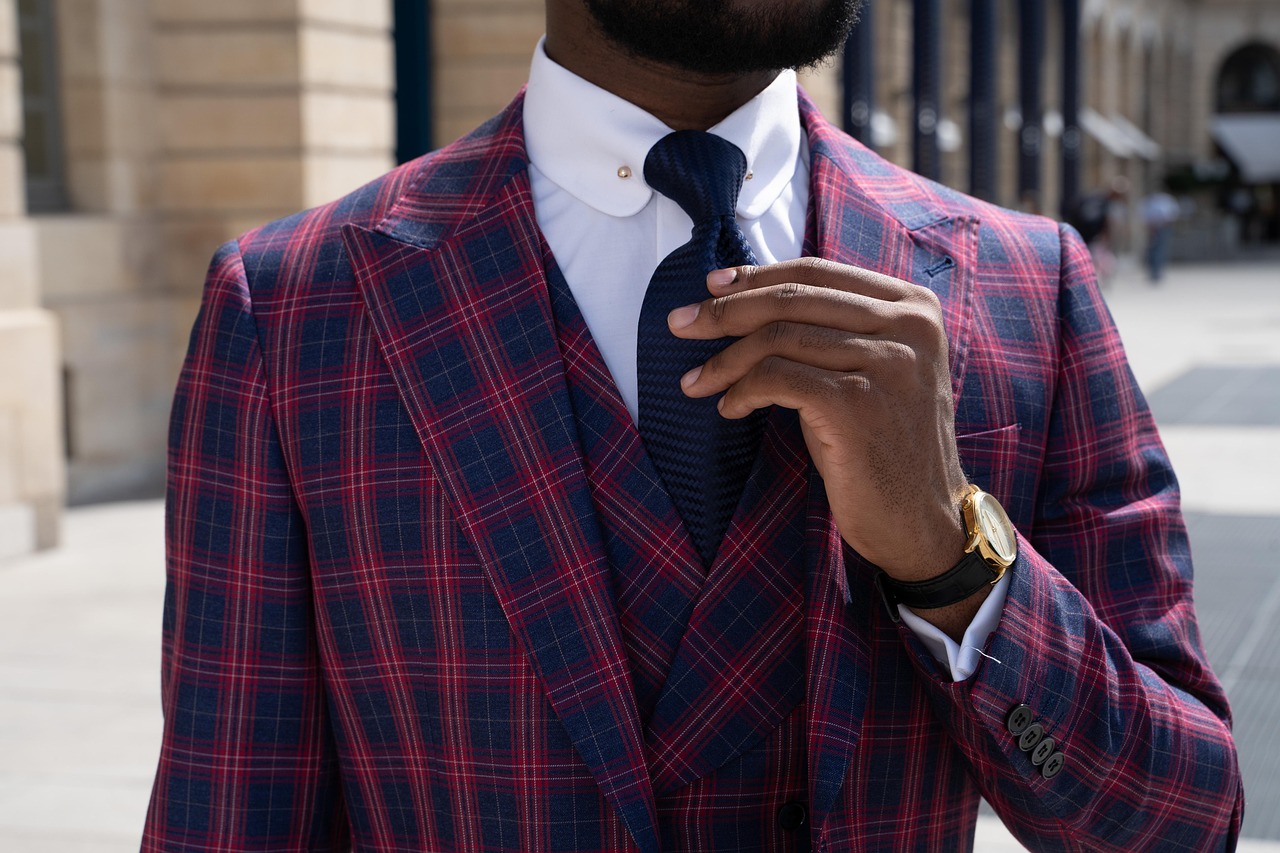
Labor Day has always been tied to fashion sales, but in 2025, the trend expanded beyond seasonal clearance into full-blown wardrobe refreshes. Consumers rushed to update their closets with fall essentials, including oversized sweaters, sustainable denim, and boots that balance style with comfort. Luxury brands and fast-fashion retailers alike experienced high demand, with eco-conscious lines seeing the fastest growth. Shoppers showed strong interest in gender-neutral styles, bold color palettes, and smart fabrics that combine fashion with functionality. Labor Day discounts allowed many to invest in both high-end designer pieces and everyday basics. Accessories such as smart jewelry, crossbody bags, and statement sneakers also topped shopping carts, reflecting the influence of TikTok and Instagram trends. The fashion frenzy wasn’t just about aesthetics; sustainability played a key role, with buyers prioritizing recycled fabrics and ethically produced collections. This year, AI-powered styling tools and virtual try-on features boosted online shopping confidence, pushing fashion to the top of post-Labor Day sales. For many consumers, the holiday marked the perfect time to transition wardrobes while embracing fashion that fits modern values.
4. Back-to-School and College Essentials Drive Sales
September signals the return to classrooms and campuses, making back-to-school shopping one of the biggest drivers of the Labor Day sales boom. Parents and students alike took advantage of deals on laptops, tablets, and headphones, with a focus on affordable yet high-performance devices. Dorm essentials such as mini-fridges, smart lamps, and ergonomic chairs also surged in popularity, reflecting the hybrid lifestyle of modern students. With education becoming more tech-centered, items like digital note-taking tablets, portable chargers, and noise-canceling headphones were among the top-selling products. Retailers strategically bundled electronics with software subscriptions and extended warranties, encouraging bulk purchases. Fashion played a role here as well, with backpacks, sneakers, and college-branded apparel in high demand. Social media buzz around “back-to-school hauls” further influenced buying patterns, especially among Gen Z. Post-Labor Day data shows that shoppers viewed these purchases as investments in productivity and lifestyle, ensuring students are fully equipped for success. The spike in education-related sales highlights how consumer spending aligns with seasonal milestones and cultural priorities.
5. Beauty and Skincare Products Trending Globally
The beauty industry had one of its strongest Labor Day seasons in 2025, with skincare and cosmetics dominating global shopping carts. Consumers increasingly prioritize skincare routines over heavy makeup, leading to soaring sales of serums, moisturizers, and SPF-based products. K-beauty and clean beauty lines received particular attention, reflecting a growing preference for natural, cruelty-free, and eco-conscious brands. TikTok tutorials showcasing trending beauty hacks sparked viral buying sprees, especially for lip oils, tinted moisturizers, and hydrating masks. Luxury beauty brands offered limited-edition Labor Day bundles that quickly sold out, while drugstore products benefited from bulk-purchase discounts. Tech-powered beauty devices, such as facial steamers and LED light therapy masks, also attracted buyers seeking spa-level treatments at home. Post-pandemic wellness culture has shifted beauty spending toward self-care and confidence building, with consumers seeing these products as lifestyle investments rather than indulgences. Global interest in sustainable packaging and refillable products further defined the 2025 beauty shopping trend. The post-Labor Day beauty boom showcases how the industry continues to thrive on innovation, personalization, and digital influence.
6. Kitchen Appliances and Cooking Gadgets
Kitchen and home cooking products sparked massive sales during and after Labor Day, driven by both necessity and lifestyle trends. Shoppers invested in air fryers, smart coffee machines, and compact blenders, products that promise healthier meals and convenience. The rise of plant-based cooking and dietary awareness has made gadgets like juicers, dehydrators, and precision cookers popular additions to shopping carts. E-commerce platforms reported spikes in multi-functional appliances designed for small urban kitchens, reflecting global demand for efficiency. TikTok recipe trends also fueled purchases of kitchen tools showcased in viral cooking videos. Beyond gadgets, cookware sets and eco-friendly utensils gained traction, appealing to sustainability-minded consumers. Labor Day sales also gave shoppers the opportunity to splurge on big-ticket items like refrigerators, dishwashers, and induction cooktops, with discounts making them more accessible. In 2025, the kitchen has become a focal point of home life, blending convenience, health, and creativity. The post-Labor Day spike in kitchen-related shopping highlights how consumers increasingly view cooking as both a necessity and a source of joy.
7. Travel and Outdoor Gear Surge Post-Labor Day
With fall travel season approaching, outdoor gear and travel products emerged as hot sellers during the post-Labor Day period. Luggage sales skyrocketed, with lightweight, durable, and smart suitcases topping the list. Camping and hiking gear—including tents, sleeping bags, and solar-powered gadgets—also gained momentum as people planned autumn getaways. Fitness-focused travel items such as hiking boots and hydration packs reflected the blend of wellness and adventure in consumer behavior. Airlines and travel booking platforms also reported higher activity, influenced by the purchase of travel accessories and promotions. Social media influencers showcasing “fall travel must-haves” played a major role in driving demand. Post-Labor Day sales gave consumers the opportunity to stock up on travel essentials at lower prices, from portable chargers and neck pillows to eco-friendly water bottles. The shopping surge underscores how 2025’s consumer is blending experiences with material purchases, using retail as a way to prepare for lifestyle goals. Travel gear continues to rank high in the global e-commerce market, reflecting the cultural value of adventure and exploration.
8. Tech Upgrades: Laptops, Phones, and Accessories
Technology always dominates seasonal sales, and in 2025, Labor Day sparked a wave of tech upgrades. Shoppers focused on laptops, smartphones, and accessories that combine cutting-edge performance with affordability. The launch of new smartphone models timed around September further fueled buying momentum, with accessories like wireless chargers, Bluetooth earbuds, and smart cases flying off the shelves. Laptops designed for hybrid work and study, featuring lightweight builds and long battery life, saw record sales. Gaming gear, including monitors, keyboards, and VR headsets, also topped shopping lists. Retailers capitalized on this trend by offering trade-in programs and extended warranties, ensuring consumers felt confident in upgrading. Social media influencers showcased “back-to-work tech essentials”, further driving demand. Post-Labor Day sales also highlighted the growing importance of sustainable tech, with eco-friendly designs gaining traction. The frenzy around tech upgrades reflects the global consumer’s desire for both productivity and entertainment, showing how digital life shapes spending patterns in 2025.
9. Furniture and Home Décor for Cozy Spaces
Post-Labor Day shopping wasn’t limited to small items—furniture and home décor sales also surged as people prepared for cooler months indoors. Shoppers invested in ergonomic chairs, modular sofas, and compact storage solutions, reflecting a desire for comfort and organization. Home décor trends in 2025 lean toward minimalism, natural textures, and smart furniture with built-in charging features. Retailers reported high demand for eco-friendly pieces made from recycled wood and sustainable materials. Online platforms offering virtual room design previews played a role in boosting consumer confidence. Seasonal sales also spurred interest in autumn-themed décor, rugs, and cozy lighting solutions, transforming living spaces into inviting retreats. The rise of hybrid work ensures that home environments remain central to consumer priorities, blending productivity with relaxation. Labor Day discounts gave many the chance to make big-ticket purchases without breaking budgets. Furniture sales reflect how shoppers see their homes not just as living spaces but as hubs for comfort, creativity, and self-expression.
10. Entertainment Subscriptions and Digital Purchases
Beyond physical products, digital services and entertainment subscriptions saw a surge after Labor Day 2025. Consumers added streaming services, gaming subscriptions, and e-book memberships to their shopping carts, capitalizing on bundled holiday discounts. The demand for on-demand entertainment reflects shifting habits, as people look for convenient, flexible, and affordable leisure options. Gaming platforms offered exclusive Labor Day deals, while streaming giants released early previews of fall shows to attract subscribers. Consumers also invested in digital education courses, reflecting the rise of lifelong learning. Social media platforms promoted bundles that combined entertainment with wellness, such as meditation apps packaged with video streaming services. The post-Labor Day shopping frenzy highlights how digital consumption rivals physical retail, especially as people seek immersive experiences at home. With AI-driven personalization shaping recommendations, entertainment subscriptions have become essential household expenses. The rise of digital purchases showcases the broader transformation of consumer habits in 2025, where value is found not just in products but in experiences.
Conclusion
The Post-Labor Day Shopping Map of 2025:The Labor Day shopping frenzy of 2025 reflects how consumer behavior has evolved into a mix of tech-savvy, wellness-driven, and lifestyle-focused choices. From smart home gadgets and fitness gear to beauty products and kitchen appliances, the most popular purchases reveal a balance between practicality and aspiration. Fashion and back-to-school essentials highlight seasonal needs, while travel, furniture, and digital entertainment show how diverse modern shopping priorities have become. Social media continues to amplify trends, creating viral product demand that drives global sales beyond national borders. For retailers, these insights point toward the importance of offering value, personalization, and sustainability. For consumers, the post-Labor Day cart is more than just a shopping list—it’s a reflection of how priorities shift with culture, technology, and lifestyle aspirations. As we look toward the holiday season, the products trending after Labor Day will set the stage for what dominates global shopping patterns in the months ahead. The shopping frenzy of 2025 proves that retail is no longer about discounts alone—it’s about identity, innovation, and the global consumer experience.