Can Scientists Really Create a Real-Life Spider-Man? The Truth About Human DNA Engineering
Spider-Man has remained one of the world's most beloved superheroes for more than six decades because he represents an extraordinary scientific fantasy that feels just believable enough to spark curiosity. A teenager bitten by a genetically altered spider suddenly develops incredible strength, lightning-fast reflexes, wall-climbing abilities, enhanced senses, and astonishing agility. While the story belongs to comic books, many people continue asking a fascinating scientific question: Could something even remotely similar ever happen in the real world? Modern advances in genetics, biotechnology, artificial intelligence, regenerative medicine, and genome engineering have transformed science at an astonishing pace. Researchers can now edit DNA, repair disease-causing mutations, grow human tissues in laboratories, and engineer living cells with remarkable precision. These breakthroughs naturally raise an exciting question that is searched millions of times online: Could scientists one day engineer humans with abilities that resemble Spider-Man? The answer is far more complex than a simple yes or no. Although today's technology cannot create comic-book superheroes, ongoing research into human genetics reveals surprising possibilities—and equally important limitations—that make this one of the most fascinating scientific discussions of the modern era.
Understanding DNA: The Biological Blueprint That Builds Every Human
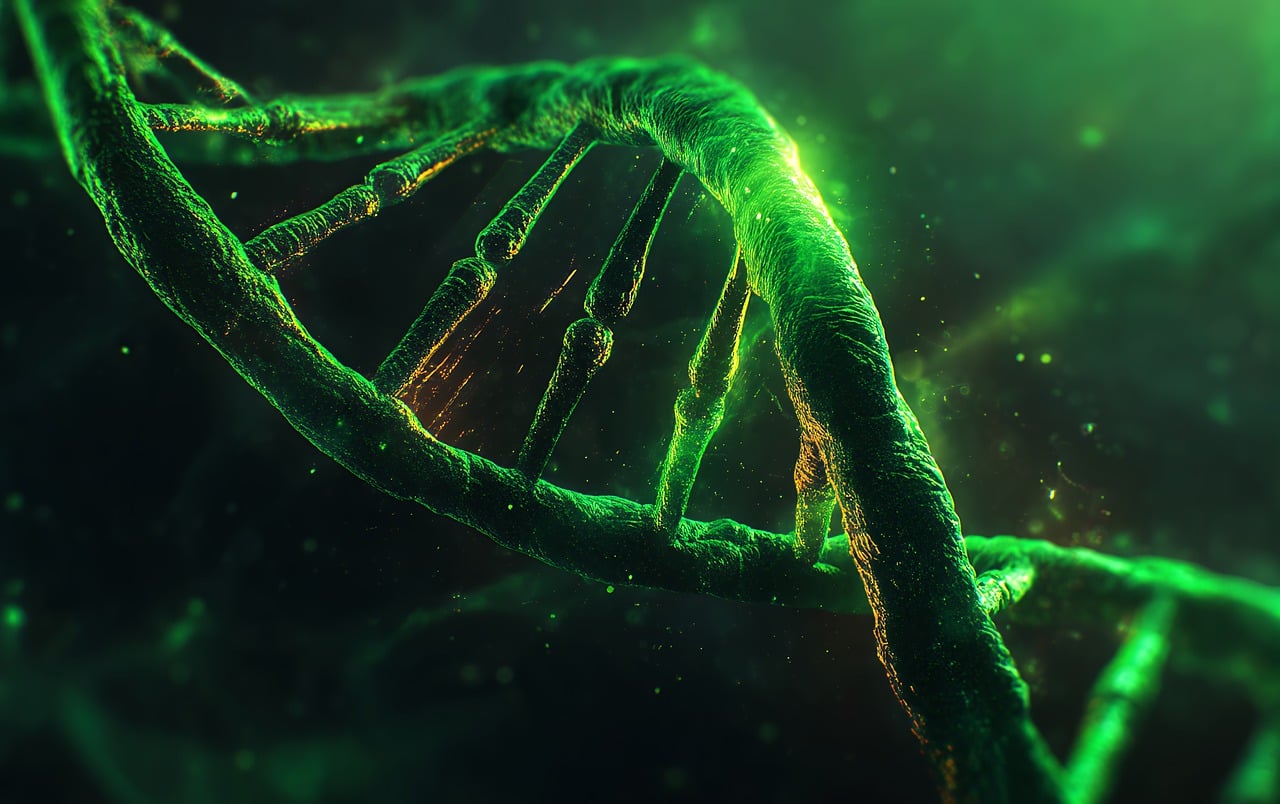
Every cell inside the human body contains DNA, an extraordinarily complex molecule that stores the biological instructions required to build, maintain, and repair the body. DNA consists of billions of chemical letters organized into genes, each carrying information that influences everything from eye color and muscle development to immune responses and metabolism. These genes interact with one another through highly sophisticated biological networks rather than functioning independently. Changing a single gene can influence dozens—or even hundreds—of other processes throughout the body. This complexity explains why engineering entirely new human abilities is vastly more difficult than fictional stories suggest. A superhero's powers would not depend on one magical mutation but on coordinated changes across numerous genetic pathways affecting muscles, bones, nerves, skin, circulation, energy production, sensory organs, and brain function simultaneously.
CRISPR Gene Editing Has Changed Modern Biology Forever
One of the greatest breakthroughs in modern genetics is CRISPR-Cas9, a revolutionary gene-editing technology that allows scientists to modify DNA with remarkable precision. Unlike older techniques that were slow and unpredictable, CRISPR functions like highly specialized molecular scissors capable of targeting specific genetic sequences. Researchers already use this technology to investigate inherited diseases, improve agricultural crops, develop experimental therapies, and better understand human biology. Some inherited blood disorders have already been treated using CRISPR-based approaches under carefully controlled medical conditions. However, editing genes to cure disease differs dramatically from engineering entirely new biological abilities. Building a "Spider-Man" would require altering complex systems that evolution refined over hundreds of millions of years, making such enhancements far beyond today's scientific capabilities.
Could Humans Ever Develop Spider-Like Strength?
Perhaps Spider-Man's most iconic ability is extraordinary strength far exceeding ordinary human limits. Real spiders possess remarkable lifting capacity because their small bodies obey different physical scaling laws than humans. Some spiders can lift many times their own body weight, but directly applying this principle to humans is impossible. As animals become larger, body mass increases much faster than muscle cross-sectional area, creating fundamental mechanical limitations described by the square-cube law. Even if scientists genetically enhanced human muscles, bones, tendons, ligaments, joints, and the cardiovascular system would also require major modifications to withstand increased forces. Without reinforcing the entire musculoskeletal system, dramatically stronger muscles could actually increase the risk of severe injury rather than producing superhero abilities.
Why Wall-Climbing Is Much Harder Than It Looks
Spider-Man's ability to cling effortlessly to walls is another feature often discussed in scientific circles. Real spiders climb vertical surfaces using millions of microscopic hairs called setae, which branch into even smaller structures that generate weak intermolecular attractions known as van der Waals forces. Collectively, these tiny interactions create surprisingly effective adhesion. Scientists have successfully developed bio-inspired adhesive materials based on this principle, leading to experimental climbing gloves and robotic gripping systems. However, reproducing this mechanism within human skin presents enormous challenges. Human body weight is vastly greater than that of spiders, meaning the required adhesive surface area would be extraordinarily large. Researchers continue improving synthetic adhesives, but biologically engineering human hands and feet to function like spider legs remains far beyond current biotechnology.
Could Humans Ever Produce Spider Silk?
Spider silk is one of the strongest natural materials ever discovered, combining exceptional tensile strength with remarkable flexibility. Pound for pound, certain types of spider silk rival or even exceed the strength of steel while remaining lightweight and elastic. Scientists have spent decades attempting to manufacture artificial spider silk using bacteria, yeast, plants, silkworms, and genetically engineered animals capable of producing silk proteins. Although these efforts have produced promising results for medical sutures, tissue engineering, protective equipment, and advanced textiles, no research suggests humans could naturally generate spider silk from their wrists as depicted in comic books. Instead, future wearable devices inspired by spider silk may offer practical technological solutions without requiring genetic modification.
Can Humans Develop Spider-Sense? Neuroscience Offers an Interesting Perspective
Spider-Man's famous "Spider-Sense" appears almost supernatural, warning him of danger before it occurs. No known biological mechanism allows humans to predict future events in this way. However, neuroscience demonstrates that the human brain constantly processes enormous amounts of sensory information below conscious awareness. Experienced athletes, pilots, surgeons, and military personnel often react extraordinarily quickly because years of training allow the brain to recognize subtle patterns almost instantly. Researchers are also developing wearable artificial intelligence systems capable of detecting environmental hazards, monitoring physiological signals, and providing rapid warnings. While this differs fundamentally from fictional Spider-Sense, future technologies could significantly enhance human situational awareness without violating established scientific principles.
The Biggest Challenge Is Biology Itself
Perhaps the greatest obstacle to creating a real-life Spider-Man is that the human body functions as a highly interconnected biological system. Increasing muscle strength would require stronger bones. Stronger bones would alter body weight. Increased body weight would require greater cardiovascular capacity. Enhanced metabolism would demand more energy and oxygen. Improved reflexes would require faster nerve conduction and advanced brain processing. Every improvement creates additional biological challenges that must also be solved. Scientists therefore recognize that engineering multiple coordinated enhancements simultaneously represents one of the most difficult problems in all of biotechnology.
Could Artificial Intelligence and Bioengineering Work Together?
Future human enhancement may rely less on changing DNA and more on combining biology with advanced technology. Artificial intelligence already assists researchers in analyzing genetic data, designing new proteins, predicting disease risks, and accelerating drug discovery. Wearable robotic systems, neural interfaces, smart prosthetics, and bioengineered materials continue advancing rapidly. Rather than creating genetically modified superheroes, future innovations may gradually enhance specific human capabilities through sophisticated medical devices working alongside the body's natural biology. This approach could prove both safer and more practical than attempting massive genetic redesign.
Ethical Questions Are Just as Important as Scientific Ones
Even if technology eventually allowed scientists to engineer extraordinary human abilities, profound ethical questions would remain. Who decides which enhancements are acceptable? Would genetic upgrades be available only to wealthy individuals? Could governments regulate human enhancement technologies effectively? Might engineered traits pass to future generations? These questions occupy scientists, ethicists, lawmakers, and medical researchers worldwide because genetic engineering influences not only individuals but potentially humanity's long-term future. Responsible research therefore requires balancing scientific innovation with ethical oversight and public trust.
So... Could a Real-Life Spider-Man Ever Exist?
From today's scientific perspective, the answer is not in the way comic books portray. No known technology can transform an ordinary person into someone possessing Spider-Man's complete range of abilities through a single genetic event or engineered spider bite. However, individual elements of the character continue inspiring legitimate scientific research. Stronger bio-inspired materials, advanced climbing technologies, gene therapies, neural interfaces, wearable robotics, artificial intelligence, and regenerative medicine all represent active fields of investigation. Rather than creating superheroes, these discoveries may improve medicine, engineering, disaster response, rehabilitation, and human performance in practical ways.
Conclusion
Spider-Man remains one of fiction's greatest celebrations of science and imagination, but modern genetics reveals both exciting possibilities and important biological realities. Technologies such as CRISPR gene editing, bioengineering, artificial intelligence, regenerative medicine, and synthetic biology are transforming healthcare and expanding our understanding of human biology faster than ever before. Yet creating a real-life Spider-Man would require solving countless interconnected scientific challenges involving genetics, biomechanics, neuroscience, physiology, and ethics. While such a transformation remains firmly in the realm of fiction, the research inspired by these questions continues driving remarkable innovations that could improve millions of lives. The greatest scientific achievement may not be creating superheroes—it may be using advanced biology to eliminate disease, repair injuries, and unlock healthier futures for humanity.