If Gamma Radiation Created the Hulk, What Would Actually Happen to a Human Body?\
\The idea of a human being transformed by gamma radiation into a giant, powerful creature is one of the most recognizable concepts in superhero fiction. In the fictional story, Bruce Banner is exposed to an enormous dose of gamma radiation and subsequently becomes the Hulk. Real gamma radiation, however, behaves very differently from the fictional version. Gamma rays do not function as a biological upgrade system, and a sufficiently intense whole-body exposure would threaten cells, tissues, bone marrow, the gastrointestinal system, and other organs rather than turning a person into a stronger version of themselves.\
\Gamma rays are a form of ionizing radiation. Unlike visible light or radio waves, sufficiently energetic gamma photons can transfer enough energy to remove electrons from atoms and molecules. When that energy passes through biological tissue, it can damage important molecules directly and can also create chemically reactive species from water and other molecules. DNA is one of the most important targets because damage to DNA can interfere with cellular replication, repair, and normal cell function.\
\The actual outcome depends on several variables. The total radiation dose matters, but so does the rate at which the dose is delivered, the portion of the body exposed, the energy spectrum of the radiation, and the sensitivity of different tissues. A small localized exposure and a massive whole-body exposure are biologically very different events. High-dose exposure to most of the body over a short period can produce acute radiation syndrome, a serious medical condition involving damage to rapidly dividing tissues and potentially multiple organ systems.\
\So what would happen if a real person received the kind of extraordinary gamma-ray exposure imagined in a Hulk origin story? The answer is not superhuman strength. At sufficiently high doses, the sequence could involve molecular damage, cellular injury, nausea and vomiting, depletion of blood-forming cells, immune-system failure, intestinal injury, bleeding, infection, neurological or cardiovascular complications at extreme exposures, and potentially death. Lower exposures may instead produce an increased long-term risk of cancer without causing immediate radiation sickness.\
\This article explores the science behind the fictional Hulk transformation and asks a more interesting real-world question: what would gamma radiation actually do to the human body?\
\What Exactly Is Gamma Radiation?\
\Gamma radiation consists of high-energy electromagnetic photons. It belongs to the same broad electromagnetic family as radio waves, microwaves, infrared radiation, visible light, ultraviolet radiation, and X-rays, but gamma photons can carry enough energy to ionize atoms and molecules. The distinction between gamma rays and X-rays is primarily related to their origin rather than a simple difference in their physical nature. Gamma rays are commonly produced by changes within atomic nuclei, while X-rays are commonly generated by interactions involving electrons.\
\The important biological characteristic is penetration. High-energy gamma radiation can travel through substantial amounts of material, including human tissue. That makes external gamma radiation particularly important in radiation emergencies because the source can irradiate internal tissues without needing to enter the body. CDC guidance identifies gamma rays among penetrating forms of radiation capable of producing whole-body exposure when the dose is sufficiently high.\
\Gamma radiation is not inherently fictional or exotic. It occurs naturally from radioactive materials and cosmic sources, and it is also deliberately produced or used in medicine, industry, research, sterilization, and other technologies. The danger comes from the amount of radiation absorbed and the circumstances of exposure.\
\A useful way to understand the difference between ordinary environmental exposure and a severe radiation accident is to think about energy deposition. Radiation dose describes how much energy is deposited in tissue. The gray, abbreviated Gy, is the SI unit of absorbed dose and corresponds to one joule of radiation energy absorbed per kilogram of material. The sievert, abbreviated Sv, is used for quantities that account for the biological effectiveness of different types of radiation and the sensitivity of tissues.\
\Why Gamma Radiation Can Damage Human Cells
\Human cells are complex chemical systems. They contain water, proteins, lipids, carbohydrates, nucleic acids, membranes, organelles, and genetic material. Gamma photons passing through tissue can interact with atoms and molecules and transfer energy to them. That energy can cause ionization and molecular changes.\
\One important mechanism is direct damage. Radiation can interact with DNA or other biologically important molecules and alter their chemical structure. Another mechanism is indirect damage. Because biological tissue contains a large amount of water, radiation can interact with water molecules and produce reactive chemical species. These species can subsequently attack DNA, proteins, membranes, and other cellular structures.\
\The body has sophisticated DNA-repair systems. A damaged cell may repair some forms of molecular injury, stop dividing, enter a state of permanent growth arrest, or undergo programmed cell death. The outcome depends on the amount and type of damage. If damage is extensive enough, the cell may die. If a damaged cell survives with an incorrectly repaired mutation, that alteration can sometimes contribute to future disease, including cancer.\
\This is fundamentally different from the fictional mechanism of the Hulk. Gamma radiation does not provide a controlled instruction set telling cells to become larger, stronger, faster, or more durable. Radiation is a physical source of energy that can disrupt molecular structures. It does not contain a biological blueprint for creating a superhero.\
\What Would Happen Immediately After a Huge Gamma-Ray Exposure? \
The first important factor would be dose. A person receiving a relatively low dose might experience no immediate symptoms, even though the exposure could still contribute to a small increase in long-term cancer risk. At much higher doses, biological effects become increasingly severe. At sufficiently high whole-body doses delivered over a short time, acute radiation syndrome can develop.\
\Acute radiation syndrome is not one single symptom. It is a collection of effects produced when radiation damages enough cells in critical tissues. CDC describes it as an acute illness caused by irradiation of the whole body, or most of the body, by a high dose of penetrating radiation over a short period.\
\The earliest phase can include nausea, vomiting, headache, fatigue, and other nonspecific symptoms. The timing and severity depend on dose. A person exposed to an extremely high dose may become seriously ill rapidly, while a person exposed to a lower dose may experience an initial period in which symptoms improve or disappear before deeper tissue damage becomes clinically obvious.\
\This temporary improvement can be misleading. Radiation injury can continue to develop after the initial exposure because cells that were damaged may subsequently fail when they attempt to divide. The body's tissues therefore do not necessarily reveal the full consequences immediately.\
\The Human Body Does Not React to Radiation as One Single System \
One of the most important concepts in radiation biology is that different tissues have different sensitivities. Cells that divide rapidly tend to be particularly vulnerable because radiation damage becomes especially consequential when cells attempt to replicate. This is why bone marrow and the lining of the gastrointestinal tract can be severely affected by high radiation doses.\
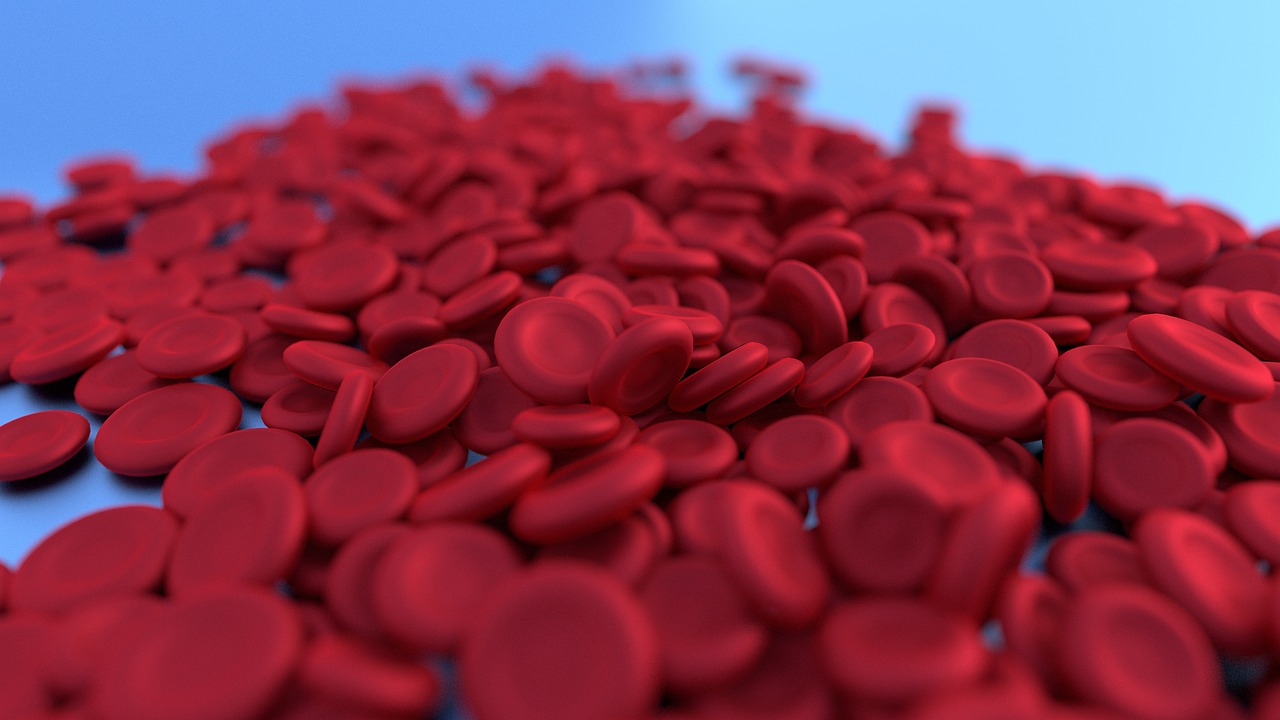
\Bone marrow continuously produces red blood cells, white blood cells, and platelets. These cells are essential for oxygen transport, immune defense, and blood clotting. If radiation destroys enough bone-marrow stem and progenitor cells, blood-cell production can fall dramatically. The result can be anemia, immune suppression, susceptibility to infection, and bleeding caused by low platelet counts.\
\The gastrointestinal tract also contains rapidly renewing cells. Severe radiation injury can damage the intestinal lining, impair absorption, disrupt the protective barrier between the gut and the rest of the body, and cause severe gastrointestinal illness. At sufficiently high doses, intestinal injury can become life-threatening.\
\The skin, reproductive organs, lens of the eye, nervous system, and cardiovascular system can also be affected depending on the exposure pattern. The exact biological response is therefore determined by where the radiation energy is deposited and how much damage occurs.\
\What Happens to DNA During Gamma Irradiation? \
DNA is one of the most important molecular targets of ionizing radiation. The genetic material inside a cell contains the instructions required for maintaining cellular structure and function. Radiation can cause a variety of DNA lesions, including altered bases, single-strand breaks, and double-strand breaks.\
\Double-strand breaks are particularly important because both strands of the DNA molecule are disrupted. Cells have repair pathways that attempt to restore the genetic sequence. Some repairs can be accurate, while others can introduce mutations or chromosomal rearrangements.\
\At relatively low levels of damage, cellular repair mechanisms may successfully restore normal function. At greater levels of damage, cells may activate protective responses and stop dividing. If damage is too extensive, cells can die. If damaged cells survive with mutations affecting genes involved in growth regulation, DNA repair, or cell death, the altered cells may contribute to cancer development later in life.\
\Therefore, radiation can produce two very different categories of consequences. Very high acute doses can kill enough cells to damage tissues directly, while lower or moderate exposures can increase the probability of long-term effects such as cancer. These are not simply different versions of the same symptom. They arise from different biological pathways and exposure conditions.\
\Why the Hulk Would Not Get Bigger From Radiation \
The fictional transformation assumes that radiation somehow unlocks a hidden biological capacity for enormous muscle growth. Human biology does not work that way. Muscle mass depends on cells, proteins, energy metabolism, hormones, nervous-system control, connective tissues, blood supply, and mechanical loading. A sudden burst of ionizing radiation does not provide the molecular resources required to construct a gigantic muscular body.\
\To increase the size of a human body dramatically, the organism would need to synthesize enormous amounts of proteins, expand or create tissues, remodel bones and connective structures, increase blood supply, alter metabolism, and maintain stable control over all of those processes. These changes require coordinated biological regulation. Random DNA damage is not an equivalent mechanism.\
\In reality, high-dose radiation is much more likely to interfere with cell division than to enhance it safely. Rapidly dividing cells can be among the most vulnerable populations. This creates a direct contradiction with the fictional Hulk mechanism: the tissues that would need to expand rapidly could instead be among the tissues most endangered by radiation injury.\
\What Would Happen to the Bone Marrow? \
Bone marrow is one of the body's most radiation-sensitive systems because it contains populations of blood-forming stem and progenitor cells that continually divide. These cells produce the components of blood required for oxygen transport, immunity, and clotting.\
\After a sufficiently high whole-body radiation exposure, bone-marrow production can decline. White blood cell numbers can fall, leaving the person increasingly vulnerable to bacterial, viral, and fungal infections. Platelet production can also fall, increasing the risk of bruising and bleeding. Red blood cell production may decline as well, although the timing of anemia can differ because mature red blood cells remain in circulation for a period after production falls.\
\This is one reason acute radiation syndrome can become life-threatening even when the person does not initially appear severely injured. The skin may not reveal the extent of internal damage, but the blood-forming system can progressively fail.\
\Modern medicine can sometimes support people after serious radiation exposure through specialized medical care, infection management, transfusions, growth-factor treatment, and in selected circumstances other interventions. The outcome depends heavily on the dose and the extent of tissue damage.\
\What Would Happen to the Digestive System? \
The intestinal lining renews itself rapidly. High-dose radiation can damage the cells responsible for maintaining that lining. When enough of those cells are destroyed, the intestine can lose its ability to perform normal absorption and barrier functions.\
\Severe gastrointestinal radiation injury can produce nausea, vomiting, abdominal symptoms, diarrhea, dehydration, electrolyte disturbances, and impaired nutrient absorption. Damage to the intestinal barrier can also increase the movement of bacteria or bacterial products from the gut into surrounding tissues and the bloodstream.\
\This is another reason the idea of radiation creating a stronger human body is scientifically incompatible with known physiology. A radiation dose high enough to cause widespread biological transformation would also threaten some of the body's most essential renewal systems.\
\Could Gamma Radiation Burn the Skin? \
Yes. High radiation doses can produce radiation-related skin injuries. Depending on the dose and exposure pattern, effects can include redness, inflammation, hair loss, tissue injury, ulceration, and other changes. These effects can be delayed rather than appearing immediately.\
\A radiation injury is not exactly the same thing as a conventional thermal burn from fire or boiling water. The underlying mechanism involves radiation-induced cellular and molecular damage. Nevertheless, the tissue can ultimately show inflammation, cell death, impaired healing, and other features that make the injury clinically serious.\
\The appearance of skin injury also does not necessarily reveal the full radiation dose received by internal organs. Penetrating gamma radiation can deposit energy throughout the body. A person may therefore have substantial internal radiation damage even if a visible skin injury is limited.\
\Would Gamma Radiation Make Someone Glow? \
The familiar green glow associated with the Hulk is another fictional element. Exposure to gamma radiation does not normally make a person visibly glow green. Gamma photons are invisible to human eyes.\
\There is also an important distinction between being irradiated and being contaminated with radioactive material. External irradiation means radiation passes through the body from an external source. Once the person leaves the radiation field or the source is shielded, the external irradiation stops. Contamination means radioactive material is physically present on or inside the person and can continue producing radiation until it is removed, decays, or is otherwise eliminated.\
\A person who has been exposed to an external gamma-ray source does not automatically become radioactive. This is a common misunderstanding caused partly by fictional depictions of radiation. Whether radioactive contamination exists depends on the source and exposure circumstances.\
\What Happens at Different Radiation Dose Levels? \
Radiation effects cannot be summarized by one universal threshold because dose, dose rate, radiation type, exposed tissue, and individual factors all matter. Nevertheless, dose ranges help illustrate why the Hulk scenario is biologically unrealistic.\
\At relatively low doses, a person may have no immediate symptoms. The principal concern may be a statistical increase in the probability of developing cancer later in life. WHO notes that excessive ionizing-radiation exposure can increase long-term cancer risk, with risk generally increasing as dose increases.\
\At higher doses, tissue reactions become possible. At sufficiently high whole-body doses, acute radiation syndrome can occur. WHO identifies approximately 1 Sv as the threshold around which acute radiation syndrome can begin to occur, although individual responses vary and the exact clinical outcome depends on exposure conditions.\
\At still higher doses, bone-marrow damage becomes increasingly severe, and gastrointestinal or other organ-system injury can become dominant. Extremely high whole-body exposures can cause catastrophic damage and death. The important point is that the biological response progresses toward tissue failure rather than controlled enhancement.\
\Why Dose Rate Matters \
Two people could theoretically absorb similar total amounts of radiation but experience different biological consequences if the radiation is delivered differently. Dose rate describes how quickly the radiation dose is delivered. A large dose delivered over a very short time can be much more damaging than the same broad amount spread over a longer period because cells have opportunities to repair some forms of damage between radiation events.\
\This is why radiation protection considers not only total dose but also how the exposure occurs. WHO notes that when radiation doses are low or delivered over long periods, the risk of some acute effects is substantially lower because biological repair can occur during the exposure period.\
\The fictional Hulk scenario implies an extremely intense exposure occurring almost instantaneously. If such an exposure were physically possible at a very high dose, the concern would be acute radiation injury rather than beneficial adaptation.\
\Could the Human Body Adapt to Gamma Radiation? \
The human body does have remarkable repair mechanisms, and cells can respond to radiation-induced stress. But adaptation has strict biological limits. Cells can activate DNA repair pathways, antioxidant responses, cell-cycle checkpoints, and programmed cell death. These mechanisms can reduce the consequences of some damage.\
\They cannot make a human immune to arbitrarily high radiation doses. Once enough critical cells are destroyed or enough molecular damage accumulates, tissues can no longer maintain normal function. The body is not capable of simply increasing its radiation tolerance by transforming into a more powerful form after one enormous exposure.\
\Some organisms show extraordinary radiation resistance compared with humans. Certain bacteria and microscopic organisms can survive radiation doses that would be devastating to people. Scientists study these organisms to understand DNA repair, protein protection, and cellular resilience. But their biology does not demonstrate a mechanism by which gamma radiation would turn a human into a giant superpowered organism.\
\What About Mutation? Could a Mutation Create Superpowers? \
Radiation can cause mutations, but the word mutation is often misunderstood. A mutation is simply a change in genetic material. It is not automatically beneficial, and most random mutations do not create dramatic improvements in an organism.\
\For a fictional superpower to emerge through mutation, many separate biological systems would have to change in a coordinated way. Consider superhuman strength alone. The person would require stronger muscles, stronger bones, reinforced tendons and ligaments, altered energy metabolism, increased blood supply, appropriate nervous-system control, and organs capable of supporting the new metabolic demand. A random radiation event would not coordinate these changes.\
\Even a single beneficial mutation would not necessarily produce a visible transformation. Biological traits are often influenced by many genes and environmental factors. Complex characteristics cannot generally be created by damaging DNA randomly at one moment.\
\Radiation-induced mutations are therefore a poor mechanism for creating superhero abilities. From a medical perspective, mutations caused by ionizing radiation are considered primarily in relation to cell death, genetic damage, disease, and cancer risk rather than sudden enhancement.\
\Could Radiation Create a Giant Human? \
A giant human body would present enormous physiological problems even if rapid growth were somehow possible. A larger body would require proportionally greater structural support, blood flow, oxygen delivery, energy consumption, heat dissipation, and mechanical strength. Simply multiplying a person's dimensions does not produce a functioning organism.\
\Scaling laws make the fictional transformation even more difficult. If an organism becomes larger in three dimensions, its mass increases faster than the cross-sectional dimensions of many structural tissues. Bones and muscles would have to withstand greater loads. The cardiovascular system would need to circulate blood through a much larger network. The lungs would need to supply sufficient oxygen, and the body's ability to remove heat would become a major challenge.\
\Radiation does not solve any of these problems. It supplies energy, but that energy is deposited unpredictably at the molecular level. The body would need a coordinated developmental program to construct new tissue. Gamma irradiation does not provide such a program.\
\What Would Happen to the Brain? \
The nervous system is affected by radiation differently from rapidly dividing tissues. At moderate acute doses, the most prominent early problems may occur in other systems, particularly the bone marrow and gastrointestinal tract. At extremely high radiation exposures, however, the brain and cardiovascular system can become critically affected.\
\Severe radiation injury to the central nervous system can produce neurological symptoms, confusion, loss of consciousness, seizures, and other catastrophic effects depending on the dose and timing. At such extreme exposures, survival becomes very unlikely.\
\This presents another problem for the Hulk concept. A transformed superhero would need a brain capable of coordinating extraordinary movement, strength, balance, perception, and decision-making. Severe radiation exposure instead threatens the normal functioning of the nervous system at sufficiently high doses.\
\Would the Heart Keep Working? \
The cardiovascular system depends on the coordinated function of the heart, blood vessels, blood cells, electrolytes, and multiple organs. Radiation can indirectly threaten cardiovascular function through dehydration, blood loss, infection, anemia, and organ damage. At extreme whole-body doses, direct and systemic radiation injury can contribute to cardiovascular and neurological collapse.\
\A fictional Hulk would require a heart capable of delivering enormous amounts of oxygenated blood to massive muscles. A real person receiving severe radiation exposure would instead face the possibility of progressively worsening physiological instability. Radiation therefore cannot realistically serve as a mechanism for constructing a high-performance cardiovascular system.\
\Could Gamma Radiation Destroy the Immune System? \
At sufficiently high doses, radiation can severely damage the blood-forming system that supplies many immune cells. White blood cell depletion can leave the body less capable of fighting infections. This becomes particularly dangerous when the intestinal barrier and other tissues are also damaged.\
\The immune consequences can become one of the most important factors determining survival after severe radiation exposure. Even if the radiation does not directly kill every cell in the body, the loss of immune and blood-forming capacity can create a cascade of secondary problems.\
\This illustrates an important principle of radiation biology: death does not necessarily occur because every cell is instantly destroyed. Instead, radiation can damage critical populations of cells that maintain essential organs and physiological systems. When enough of those populations fail, the entire organism can become unable to maintain homeostasis.\
\What Would Happen to Hair and Other Rapidly Dividing Cells? \
Hair follicles contain actively dividing cells, which makes them sensitive to high radiation doses. Temporary or permanent hair loss can occur depending on the dose and exposure pattern. Similar vulnerability occurs in other rapidly renewing tissues.\
\This is another example of why radiation sickness can produce visible changes without creating useful biological enhancement. The body prioritizes constant tissue renewal in areas such as hair follicles, blood-forming tissue, and intestinal lining. High-dose radiation can interfere with these renewal processes.\
\Hair loss by itself is not necessarily a sign of a lethal exposure. It must be interpreted in the context of the overall radiation dose and other clinical findings.\
\Could Radiation Cause Cancer Instead of Superpowers? \
One of the best-established long-term risks of ionizing radiation is cancer. Radiation can damage DNA, and surviving cells can sometimes carry mutations or chromosomal changes that contribute to malignant transformation. The probability of cancer generally increases with accumulated radiation dose, although an individual exposed to radiation will not necessarily develop cancer.\
\The relationship is probabilistic. A person can receive a significant radiation exposure and never develop a radiation-related cancer, while another exposed individual may eventually develop one. Age, tissue type, genetics, dose, dose rate, and other factors influence risk.\
\Children and adolescents are generally more sensitive to radiation-related cancer risks because developing tissues can be more vulnerable and because they have a longer remaining lifespan during which radiation-associated cancers can emerge.\
\This long-term risk is fundamentally different from acute radiation syndrome. A person can receive a dose that does not cause immediate radiation sickness but still has an increased lifetime cancer risk. Conversely, an extremely high dose can cause acute tissue injury and death long before a radiation-induced cancer becomes relevant.\
\Why Some Radiation Exposures Are Used in Medicine \
The fact that radiation can damage cells does not mean all radiation exposure is inherently harmful in every medical context. Medicine deliberately uses ionizing radiation because controlled exposure can provide significant diagnostic or therapeutic benefits. X-ray imaging and computed tomography use ionizing radiation to create images of internal structures, while radiation therapy can be used to damage cancer cells.\
\The key difference is control. Medical radiation is carefully planned around energy, dose, geometry, treatment area, timing, and patient circumstances. In radiation therapy, physicians attempt to deliver a therapeutic dose to a target while limiting unnecessary exposure to surrounding healthy tissue.\
\This is almost the opposite of the Hulk scenario. A fictional accident represents uncontrolled exposure to the entire body, whereas medicine attempts to control where and how radiation energy is deposited.\
\Gamma Radiation Versus the Radiation in Superhero Movies \
Superhero fiction often treats radiation as if it were a magical form of energy that can unlock extraordinary biological potential. Real radiation is governed by physics and chemistry. Gamma photons interact with matter according to well-characterized physical processes. They do not recognize whether a person is a superhero character or an ordinary human.\
\The fictional transformation also compresses multiple biological processes into a few seconds. Real tissue growth requires cell division, protein synthesis, extracellular-matrix formation, blood-vessel development, nerve integration, metabolic adaptation, and remodeling. These processes normally occur under complex genetic and hormonal control.\
\Radiation-induced molecular damage is not equivalent to developmental programming. The difference between the two is fundamental. One creates controlled biological structure; the other can disrupt existing structure.\
\Could Gamma Radiation Ever Produce a Useful Mutation? \
Mutations can occasionally have neutral, harmful, or beneficial consequences, but radiation does not reliably generate useful mutations on demand. In biology, beneficial traits usually arise through complex evolutionary processes in which genetic variation interacts with reproduction and natural selection over many generations.\
\A single acute radiation exposure does not provide the controlled selection process needed to create a new complex organism. Even if one cell acquired a mutation that changed a biological trait, the mutation would need to occur in the correct cells, at the correct developmental stage, and interact with many other genes and regulatory systems.\
\In a fully developed adult, the problem is even more difficult because most tissues are already differentiated. Turning an adult human into a radically different organism would require extensive coordinated remodeling that radiation does not provide.\
\What Is Acute Radiation Syndrome? \
Acute radiation syndrome, commonly abbreviated ARS, is a serious illness that can occur after a high dose of penetrating ionizing radiation is delivered to most or all of the body over a short period. CDC describes ARS as an acute illness resulting from high-dose irradiation of the whole body or most of it.\
\ARS is generally discussed in terms of different clinical syndromes depending on the dose. The hematopoietic syndrome involves severe damage to the bone marrow and blood-forming system. The gastrointestinal syndrome becomes important at higher exposures when the intestinal lining is severely damaged. At extremely high doses, neurovascular effects can occur and may progress rapidly.\
\The clinical course can include a prodromal phase with early symptoms, a latent phase during which symptoms may temporarily improve, and a manifest illness phase in which the damaged organs and tissues begin to fail. The exact timing differs between individuals and depends strongly on dose and exposure conditions.\
\ARS demonstrates exactly why the Hulk origin story is biologically reversed. Instead of activating extraordinary abilities, severe radiation exposure can progressively remove the body's ability to maintain normal tissue function.\
\Could a Person Survive an Enormous Gamma-Ray Exposure? \
Survival depends on the dose and exposure pattern. People can survive substantial radiation exposures, particularly when the dose is below the range causing catastrophic tissue destruction and when appropriate medical treatment is available. Some tissues can recover if enough surviving stem cells remain to regenerate them.\
\At very high whole-body doses, however, survival becomes increasingly unlikely. Historical medical and scientific observations have shown that the probability of death rises with increasing acute dose, especially when substantial portions of the body receive the exposure.\
\Medical care can influence outcomes. Treatment may include supportive care, infection control, blood-product support, fluid and electrolyte management, treatment of organ complications, and specialized approaches for selected patients. The availability and timing of treatment can matter significantly.\
\The important point is that there is no single magic dose that instantly transforms someone into a superhero. Radiation dose exists on a continuum of biological effects, from little or no immediate clinical effect through increased long-term cancer risk, tissue injury, acute radiation syndrome, and potentially fatal organ-system damage.\
\What Would Happen If Only One Part of the Body Were Exposed? \
A localized radiation exposure can behave very differently from a whole-body exposure. If radiation is concentrated on a limited part of the body, local tissue damage can occur while the rest of the body receives a much smaller dose. Depending on the dose, localized radiation injuries can include skin damage, tissue death, and damage to deeper structures.\
\This distinction matters because radiation dose is not simply a property of the source. It depends on geometry, distance, shielding, exposure duration, and which tissues receive the radiation. A small area receiving a very high dose can suffer severe local injury without producing the same systemic syndrome as an equivalent whole-body dose.\
\The Hulk scenario assumes that essentially the entire body receives a tremendous dose simultaneously. That would be one of the most dangerous possible exposure patterns because multiple critical systems could be injured at once.\
\Why Distance and Shielding Matter \
Gamma radiation is penetrating, but it is not unstoppable. Radiation protection relies on time, distance, and shielding. Reducing the time spent near a radiation source decreases exposure. Increasing distance generally reduces the radiation intensity reaching a person. Appropriate shielding can attenuate radiation before it reaches the body.\
\The required shielding depends on the radiation energy and source. Dense materials can be used to reduce gamma-ray intensity, but the thickness required depends on the circumstances. Radiation-protection professionals calculate these factors rather than relying on a simple universal barrier.\
\These principles also explain why an imaginary gamma-ray explosion cannot be interpreted simply as a magical beam. Real radiation follows physical laws and its interaction with matter can be measured.\
\Could Gamma Radiation Change a Person's DNA Permanently? \
Yes, ionizing radiation can produce permanent genetic changes if DNA damage is incorrectly repaired and the altered cell survives. Not every radiation-induced DNA lesion becomes a mutation, and not every mutation produces disease. Cells have multiple repair and quality-control mechanisms.\
\Some damaged cells are eliminated. Others repair their DNA accurately. Some survive with alterations that have no obvious effect. In other cases, genetic changes can disrupt important cellular controls and contribute to cancer.\
\The distinction between somatic and germline cells is also important. Damage to ordinary body cells can affect the exposed individual. Changes involving reproductive cells raise different biological and genetic questions. Modern radiation protection therefore considers both immediate tissue effects and potential long-term hereditary implications.\
\What If Gamma Radiation Changed Every Cell at Once? \
This hypothetical scenario would be even more catastrophic than the normal radiation accident. A human body contains trillions of cells with different functions and different sensitivities. If radiation caused severe damage across essentially all of them simultaneously, the body's repair systems would quickly become overwhelmed.\
\There would be no realistic pathway from this situation to controlled transformation. Cells require intact molecular machinery to repair themselves and reproduce. If the radiation damaged the machinery needed for repair and replication throughout the body, the organism would lose the ability to maintain tissues.\
\In other words, the more completely the fictional radiation accomplishes its supposed transformation, the more completely it would also interfere with the biological systems required for survival.\
\Why Hulk-Level Strength Creates a Physics Problem Too \
Even if radiation could somehow produce stronger muscles, the resulting organism would still face fundamental mechanical constraints. Strength is not determined by muscle size alone. Bones, tendons, joints, blood vessels, nerves, lungs, and the cardiovascular system would all have to tolerate the increased forces.\
\If a person suddenly became many times stronger without corresponding structural reinforcement, their own muscles could generate forces that damage their bones or connective tissues. Their cardiovascular system would also need to supply dramatically greater oxygen and nutrients. Heat generated by metabolism would have to be removed efficiently.\
\A biologically coherent Hulk-like organism would therefore require a complete redesign of human anatomy and physiology. Radiation-induced DNA damage does not provide such a redesign.\
\Could Radiation Make Someone Regenerate Like a Superhero? \
Rapid regeneration is another fictional property that would require sophisticated control of stem cells, tissue patterning, blood-vessel formation, immune regulation, and scar prevention. Humans already possess some regenerative abilities. Skin can heal, the liver can regenerate substantial amounts of tissue, and bone can remodel. But these processes are carefully regulated.\
\Radiation can damage the very stem-cell populations that support tissue regeneration. A severe radiation injury can therefore reduce the body's regenerative capacity rather than amplify it.\
\Scientists do study radiation-resistant organisms and cellular repair systems because understanding them may eventually improve medicine. But this research concerns mechanisms such as DNA repair and cellular protection, not the creation of comic-book regeneration.\
\Could Radiation Make Someone Immune to Disease? \
No known mechanism would allow a huge gamma-ray exposure to create broad immunity to disease. Severe radiation can damage immune cells and the tissues that produce them. The resulting immune suppression can increase vulnerability to infection.\
\Radiation can be useful in medicine because it can selectively damage certain cells under controlled conditions, including cancer cells. But therapeutic radiation is carefully planned, and healthy tissues can also be affected. It is not equivalent to exposing the entire body to an uncontrolled gamma-ray field.\
\What Scientists Actually Learn From Radiation Damage \
Radiation biology is scientifically valuable precisely because radiation provides a way to study how cells respond to molecular damage. Researchers can investigate DNA repair, cell-cycle checkpoints, apoptosis, oxidative stress, chromosomal changes, tissue regeneration, and cancer development.\
\These studies have helped improve radiation protection and medical treatments. Scientists can examine which tissues are most sensitive, how cells repair different types of DNA damage, and how radiation dose affects biological outcomes.\
\The same scientific knowledge that disproves the Hulk transformation also explains why radiation is useful when carefully controlled. The difference is not that radiation is always bad. The difference is whether the energy is delivered in a controlled, medically justified, and appropriately managed manner.\
\What Would the First Few Hours Look Like? \
After a sufficiently high whole-body exposure, early symptoms can include nausea, vomiting, fatigue, headache, and other signs of acute radiation injury. The severity and timing vary with dose. At extremely high doses, serious symptoms can develop rapidly.\
\The initial symptoms do not necessarily correspond directly to the eventual severity of every tissue injury. Some radiation effects develop later as damaged cells fail during subsequent rounds of division. Medical evaluation therefore considers exposure history, symptoms, blood-cell counts, physical findings, and specialized laboratory information rather than relying solely on whether a person feels sick immediately.\
\For someone who has experienced a real radiation emergency, this is why professional assessment is essential. Radiation exposure is not something that can be reliably diagnosed by appearance alone.\
\What Would Happen Over the Following Days? \
At sufficiently high doses, the body's blood-forming system can progressively deteriorate. White blood cell counts may fall, increasing infection risk. Platelet counts may decrease, increasing bleeding risk. Other tissues can begin showing delayed injury.\
\Depending on the exposure level, the gastrointestinal system may become severely affected. Fluid loss, electrolyte disturbances, infection, and impaired nutrient absorption can contribute to systemic deterioration. The combination of tissue damage and immune suppression can be especially dangerous.\
\At lower doses, the course can be much less dramatic. A person may recover from early symptoms and have no immediate life-threatening illness while still carrying an increased long-term cancer risk. This is why radiation effects must always be interpreted in relation to dose and exposure conditions.\
\What Would Happen Months or Years Later? \
Long-term effects of ionizing radiation can include an increased probability of certain cancers and, depending on the exposure, other tissue effects. The latency period can be many years or even decades.\
\The existence of a long-term radiation risk does not mean cancer is inevitable after exposure. Radiation-related cancer is probabilistic. The risk increases with dose, but individual outcomes vary.\
\Some radiation effects can also involve tissues such as the lens of the eye, reproductive organs, and cardiovascular system depending on dose and exposure pattern. The biological response is therefore much more complicated than the instant transformation depicted in superhero fiction.\
\Could Gamma Radiation Ever Be Controlled Enough to Create Something Like the Hulk? \
Based on established radiation biology, no known mechanism allows gamma radiation to transform an adult human into a larger, stronger, regenerative organism. The required changes would involve coordinated alterations to anatomy, genetics, metabolism, tissue structure, neural control, and organ function. Random ionizing radiation does not provide that coordination.\
\Future biotechnology may eventually enable remarkable forms of tissue engineering or genetic medicine, but those technologies would rely on controlled biological interventions rather than simply exposing a person to gamma rays. The scientific challenge would be programming cells safely, not randomly damaging them.\
\The Hulk remains scientifically interesting because the fictional premise creates a useful thought experiment. It encourages us to ask what radiation is, how DNA responds to damage, why some tissues are more sensitive than others, and how the body maintains itself after injury.\
\Why the Fictional Gamma-Radiation Origin Is Still Fascinating \
The Hulk story takes a real scientific phenomenon and turns it into a fictional transformation mechanism. Gamma radiation is genuinely powerful and capable of causing severe biological effects, so it sounds plausible to a reader who knows that radiation can alter cells and DNA. The missing step is the assumption that genetic damage can automatically produce a useful, coordinated transformation.\
\That assumption is where fiction begins. Real biology is constrained by chemistry, thermodynamics, genetics, development, anatomy, and evolution. A human body cannot simply rewrite itself into a completely different organism because it receives a large amount of radiation.\
\In fact, the real science is arguably more fascinating than the fictional explanation. A few invisible photons can interact with atoms, generate ionization, damage DNA, activate cellular repair pathways, alter cell survival, and influence disease risk. Those microscopic events can eventually produce effects visible throughout an entire organism.\
\The Biggest Scientific Difference Between Bruce Banner and a Real Radiation Victim \
In fiction, Bruce Banner survives an extraordinary radiation exposure and acquires a new biological state. In reality, survival after a severe radiation exposure depends on how much radiation was absorbed, how quickly it was delivered, how much of the body was exposed, which tissues were damaged, and what medical treatment is available.\
\A fictional transformation is controlled and beneficial. Radiation injury is uncontrolled and potentially destructive. Fiction assumes the body receives a new set of instructions. Radiation biology shows that the body instead has to respond to molecular damage.\
\The difference can be summarized simply: gamma radiation can change biology, but changing biology does not mean improving biology. The direction of the change depends on the type and extent of molecular damage and the ability of the body to repair it.\
\Could Radiation Ever Be Used to Improve Human Performance? \
There is no established medical technique in which exposing a healthy person to high-dose gamma radiation improves strength, intelligence, endurance, or regeneration. Radiation protection standards are designed to minimize unnecessary exposure precisely because ionizing radiation can damage tissue.\
\Human performance can be influenced by training, nutrition, medical treatment, genetics, sleep, environmental adaptation, and many other factors. Radiation is not a recognized method for safely enhancing these traits.\
\Research into radiation-resistant organisms may reveal biological mechanisms that could someday inspire new protective medicines. Such research is fundamentally different from deliberately irradiating people to create enhanced traits.\
\What Is the Most Dangerous Part of a Massive Gamma Exposure? \
There is no single answer for every exposure because different dose ranges produce different dominant injuries. At moderate-to-high whole-body doses, bone-marrow failure can become a major threat. At higher doses, severe gastrointestinal injury becomes increasingly important. At extremely high exposures, neurological and cardiovascular dysfunction can lead to rapid collapse.\
\The common factor is loss of cellular and tissue function. Radiation does not need to destroy every cell in the body to become fatal. It only needs to destroy enough cells in critical systems that the organism can no longer maintain circulation, immunity, fluid balance, tissue regeneration, or other essential functions.\
\Could a Human Ever Become Radiation Resistant? \
Humans already vary in biological responses to radiation, and researchers continue to investigate why. Genetic differences, age, health, tissue condition, dose distribution, and other factors can influence outcomes. However, ordinary human variation does not approach the extraordinary radiation resistance required by the Hulk scenario.\
\Some microorganisms have evolved molecular systems that allow them to survive extreme radiation environments. Studying those systems may reveal ways to protect human cells or improve biotechnology. But the mechanisms involved are complex and do not imply that humans can be transformed into radiation-resistant superheroes.\
\What Would a Real Scientific Hulk Need? \
If scientists were asked to design a physically plausible superhuman organism rather than a fictional radiation victim, they would face a completely different problem. Such an organism would need stronger structural tissues, highly efficient energy metabolism, an expanded cardiovascular system, specialized heat management, robust DNA repair, enhanced tissue regeneration, and carefully controlled neural and hormonal systems.\
\Every improvement would create new constraints. Stronger muscles would require stronger attachment points. Greater strength would increase metabolic demand. More metabolic activity would produce more heat. Larger organs would require greater blood flow. Faster regeneration would require enormous control over cell division to prevent uncontrolled growth and cancer.\
\This illustrates why biological engineering is so difficult. Organisms are integrated systems. Changing one component affects many others. Radiation does not provide the precision required to redesign an integrated organism.\
\The Real Lesson Behind the Hulk Radiation Experiment \
The most scientifically useful interpretation of the Hulk story is not that gamma radiation creates superpowers. It is that radiation demonstrates how closely physics, chemistry, and biology are connected. A high-energy photon begins as a physical phenomenon, interacts with matter through electromagnetic processes, causes molecular ionization, damages cellular components, activates biological responses, and can eventually produce disease at the level of an entire organism.\
\That chain of events is remarkable without requiring a fictional transformation. It shows how events occurring at atomic and molecular scales can produce consequences that affect blood, organs, immunity, reproduction, and long-term health.\
\Radiation science also demonstrates the importance of dose. The same broad category of radiation can have very different consequences depending on how much energy reaches tissue and how quickly it arrives. This is why medical imaging, radiation therapy, natural background radiation, and severe radiation accidents cannot be treated as equivalent exposures.\
\So What Would Actually Happen to a Human Body? \
If a real human were exposed to an extraordinarily large whole-body dose of penetrating gamma radiation, the expected result would be severe biological injury rather than a Hulk-like transformation. At the molecular level, radiation could damage DNA and other cellular components. At the tissue level, rapidly dividing populations such as bone-marrow and intestinal cells could be particularly vulnerable. At the organ-system level, blood production, immunity, gastrointestinal function, fluid balance, and other physiological systems could deteriorate.\
\At sufficiently high doses, acute radiation syndrome could develop. Symptoms may begin with nausea, vomiting, fatigue, headache, or other early effects, followed by a latent period and then more serious manifestations as damaged tissues fail. At very high exposures, gastrointestinal, neurological, cardiovascular, and other catastrophic effects can occur.\
\At lower exposures that do not produce acute radiation sickness, the major concern may instead be long-term biological effects such as an increased probability of cancer. The absence of immediate symptoms does not necessarily mean the radiation had no biological effect.\
\Most importantly, radiation does not contain a mechanism for deliberately increasing human strength. It can alter DNA, but random genetic damage is not a blueprint for constructing a superhuman body. The fictional transformation therefore reverses the real biological relationship between radiation and the human body.\
\Final Verdict: Gamma Radiation Would Not Create the Hulk \
The Hulk's gamma-radiation origin is a powerful piece of science fiction, but real gamma radiation would produce a radically different outcome. Gamma rays are high-energy ionizing radiation capable of penetrating tissue and transferring energy to atoms and molecules. At high enough doses, this energy can damage DNA, kill cells, injure tissues, and disrupt critical organ systems.\
\A massive whole-body exposure would therefore be expected to produce radiation injury, not superhuman strength. Depending on the dose and rate of exposure, effects could range from no immediate symptoms with an increased long-term cancer risk to severe acute radiation syndrome, bone-marrow failure, gastrointestinal injury, organ damage, and death.\
\The science becomes especially interesting when considering why the fictional transformation cannot work. Creating a Hulk-like organism would require coordinated changes to muscles, bones, connective tissues, metabolism, blood vessels, organs, nervous systems, DNA regulation, and tissue regeneration. Radiation does not provide that coordination. Instead, it introduces random molecular damage and forces cells to repair, stop dividing, or die.\
\So if gamma radiation really hit a human with the kind of extraordinary exposure imagined in the Hulk origin story, the most scientifically defensible expectation would not be a green superhero emerging from the laboratory. It would be a medical radiation emergency involving potentially severe cellular and tissue damage. The real phenomenon is less cinematic, but scientifically far more revealing: invisible energy can alter matter at the molecular level, and when enough of that energy is absorbed by living tissue, the consequences can extend from damaged DNA to failure of entire biological systems.\
\The Hulk may be powered by gamma radiation in fiction, but in the real world gamma radiation is a reminder of how delicately life depends on molecular structure. The same physical laws that make gamma radiation useful in medicine and science also explain why uncontrolled high-dose exposure can be so dangerous. Understanding that difference is the real scientific lesson hidden inside one of comics' most famous radiation experiments.\