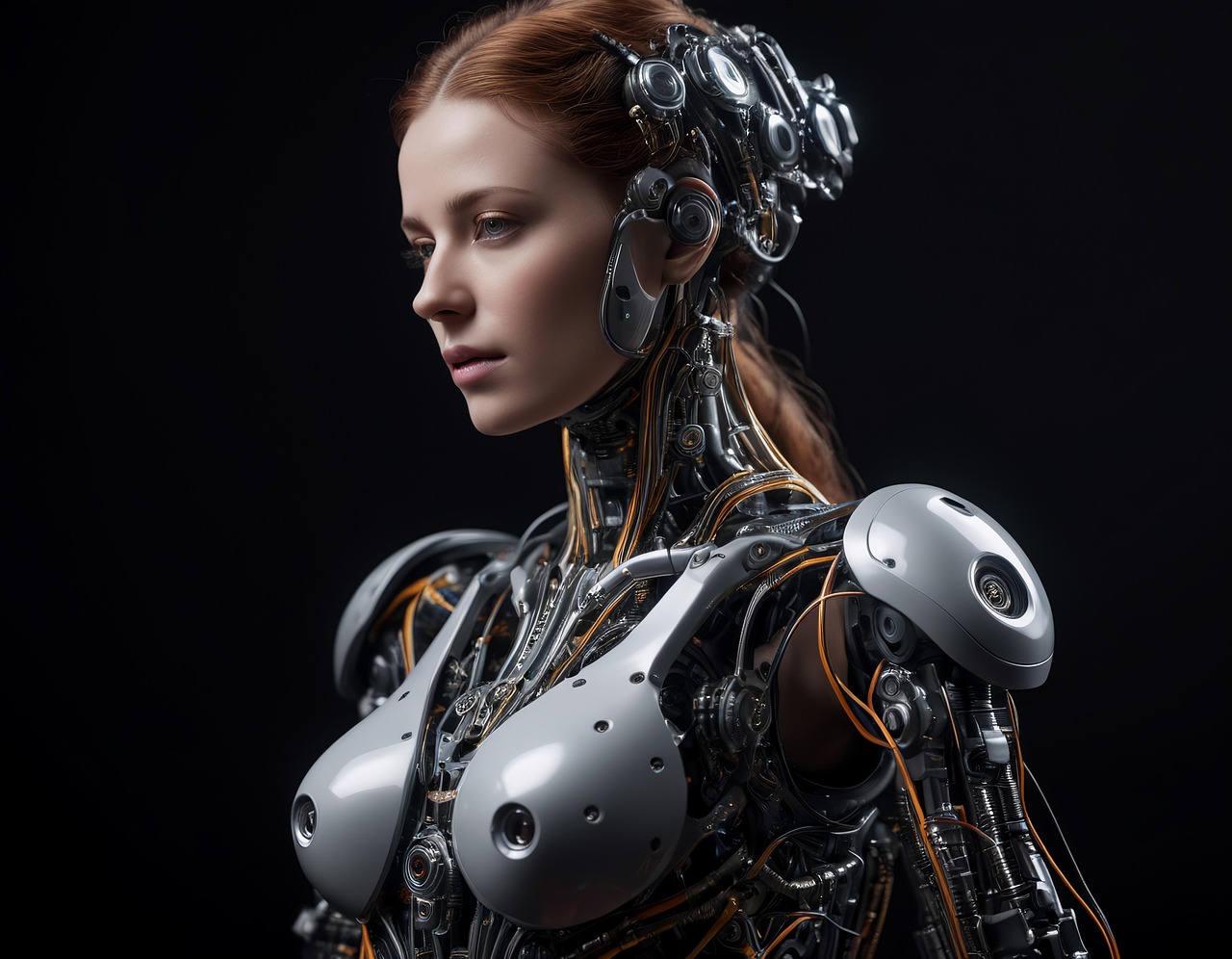
In 2025, relationships are no longer limited to humans. With the rapid advancement of artificial intelligence and emotional simulation, AI girlfriends, virtual boyfriends, and digital companions are entering the lives of millions — not as gimmicks, but as meaningful, emotionally fulfilling entities. Apps like Replika, EVA AI, and countless custom-designed bots are now capable of holding deep conversations, expressing affection, and even adapting their personalities based on how users interact with them. But as emotional algorithms evolve, an important question arises: Are we truly connecting — or just falling in love with lines of code?
1. The Rise of AI Companionship in 2025
In today’s hyper-connected yet emotionally isolated world, many are turning to AI partners for comfort, support, and even romantic engagement. These virtual companions are more than just chatbots — they come with evolving personalities, 3D avatars, and even voice interactions. Driven by powerful large language models and emotional analysis engines, they provide a sense of closeness that feels surprisingly real. In countries like Japan, South Korea, and the U.S., the trend is exploding — especially among younger, tech-native users.
2. How AI Relationships Work: Behind the Emotional Code
Modern AI relationship platforms are powered by natural language processing, sentiment analysis, and adaptive memory systems. These bots learn your tone, preferences, and emotional triggers over time, crafting interactions that feel uniquely intimate. Whether you're venting after a tough day or seeking affection, these AIs can respond with empathy, comfort, and customized responses. Some even remember personal milestones, helping simulate long-term bonding.
3. The Emotional Void: Why People Turn to AI Love
Loneliness is an epidemic in modern society. Social anxiety, work stress, failed relationships, and the isolating effects of digital life have made emotional connection harder than ever. AI partners offer a judgment-free space, available 24/7, with no risk of heartbreak, betrayal, or rejection. For many, this predictability and safety is preferable to the messiness of human intimacy. But what happens when convenience replaces authenticity?
4. Are AI Relationships Real? The Psychology of Artificial Intimacy
Psychologically, our brains are wired to respond to emotional cues, regardless of the source. When an AI mimics affection and mirrors our feelings, the emotional bond can feel authentic, even if we know it's artificial. Experts call this “artificial intimacy” — where human attachment is formed through interaction with code, not consciousness. This blurs the boundary between love and illusion, raising questions about the authenticity of connection in a digital age.
5. AI Lovers and the Redefinition of Romance
2025 has seen a cultural shift in how people define love and relationships. Traditional norms are being challenged by the rise of AI-driven emotional experiences. For some, a virtual relationship is not just a placeholder — it’s a preferred lifestyle. Digital partners can be molded to one’s emotional needs, never argue, and evolve based on feedback. But critics warn this could lead to emotional dependency or even social withdrawal.
6. Customization vs. Control: The Ethics of Idealized Love
One of the biggest draws of AI relationships is customization. You can design your virtual partner’s appearance, personality, voice, and emotional style. But this raises ethical concerns: Are we reducing love to a product? Is emotional connection meaningful when we can tweak it like a software setting? The ability to create a partner who never challenges us might seem ideal, but it could weaken our capacity to handle real-world relationships.
7. The Business of Digital Companionship
AI love is also big business. Companies offering virtual boyfriends and girlfriends are seeing massive spikes in user engagement and revenue, with premium features like video chats, memory retention, and even virtual intimacy locked behind paywalls. In 2025, monetized affection has become a new digital economy, prompting concerns about emotional exploitation and addiction. When love is packaged as a subscription, how do we protect vulnerable users?
8. Real-Life Impacts: Can AI Love Replace Human Connection?
Early studies suggest that prolonged use of AI companions can lead to changes in emotional behavior, including reduced interest in forming real-life relationships. While some users report improved mental health, others admit to losing motivation to pursue human intimacy altogether. The emotional comfort of a perfect AI relationship might feel good in the short term, but it could also hinder growth, conflict resolution, and authentic emotional resilience.
9. AI Companions and Mental Health: Help or Harm?
Mental health professionals are divided. On one hand, AI companions can help users cope with anxiety, depression, or trauma by offering non-judgmental conversation. On the other, over-reliance on these bots might create unrealistic expectations about love, leading to emotional detachment from reality. As AI gets more emotionally intelligent, the line between therapeutic tool and crutch becomes increasingly difficult to define.
10. The Future of AI Relationships: Regulation, Rights, and Reality
As we look ahead, major questions arise: Should AI companions have legal or ethical protections? What rights do users have if their digital partner is deleted, hacked, or modified? Should society regulate how far artificial intimacy is allowed to go? In 2025, there are no clear answers. What’s certain is that AI relationships are no longer fringe experiences — they are a growing part of our emotional landscape, reshaping what it means to love, bond, and belong.
Conclusion
Love in the age of AI is complex, fascinating, and deeply human — even when the “partner” is made of code. In 2025, digital relationships are no longer science fiction, but a growing reality shaped by technology, psychology, and evolving cultural norms. Whether they offer healing or hinder human connection will depend on how we use them — as tools for growth or substitutes for real emotion. Either way, one thing is clear: our hearts are learning to speak in binary.