The Dawn of Bionic Humans
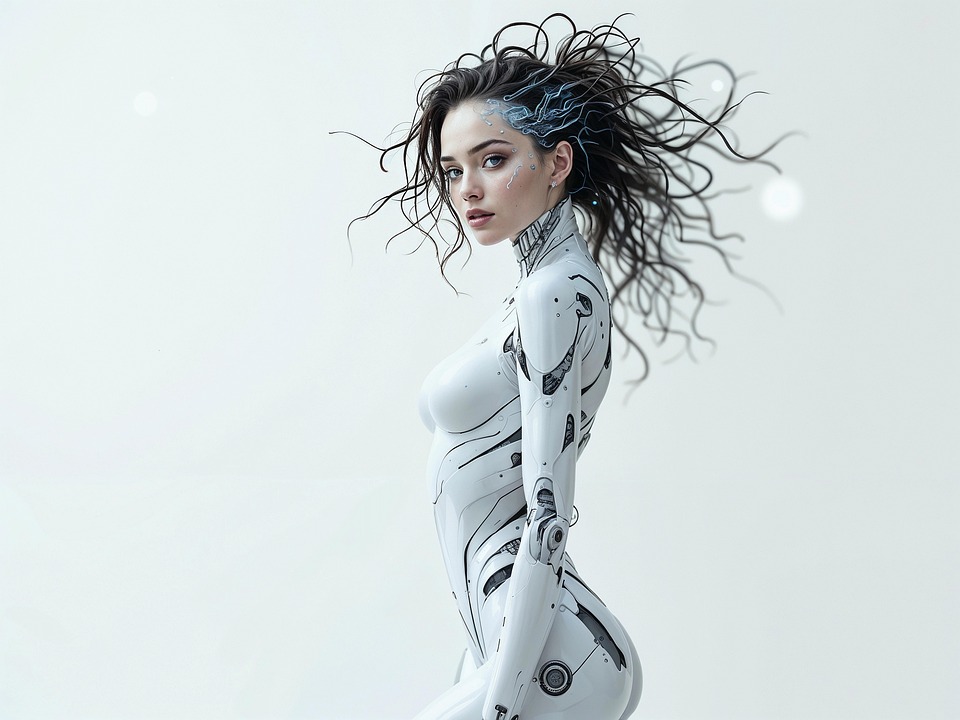
Welcome back to FutureWay, the channel where science fiction turns into science fact, and today we’re diving into one of the most mind-blowing evolutions of modern technology: bionic humans. No longer a distant dream, cyborgs are already walking among us. These are not just people using technology to survive — they are thriving with it. From advanced neural implants that allow the paralyzed to move with their minds, to robotic limbs that not only move but also feel — we are entering a new era of human enhancement. The question is no longer “Can it be done?” but, “What does it mean to be human when machines live inside us?” The future is no longer a concept. It’s now.
Neuralink: Brain-Machine Interfaces Changing Lives
Let’s start with a true game-changer: Neuralink. Elon Musk’s ambitious brain-machine interface project has reached new milestones that were once considered science fiction. In 2025, the first successful human Neuralink implant in the U.S. allowed a paralyzed patient to control a computer with nothing but their thoughts. Picture this: no keyboard, no mouse, just brainwaves moving a cursor, typing, and even playing video games. This breakthrough has far-reaching implications. Neuralink and similar technologies aren’t just tools for people with disabilities — they’re paving the way for a new kind of interaction with the world, one where our brains directly communicate with machines. This could be the beginning of human cognition merging with technology, not just to help, but to empower us beyond our physical limitations.
Prosthetics: From Replacement to Enhancement
In the UK, the evolution of prosthetics has gone beyond mere replacement. Companies like Open Bionics are developing robotic hero arms for amputees — arms that are not only stylish and functional but also controlled by the user’s muscle signals. This isn’t just about basic functionality; it’s about returning and even enhancing a person’s life. These bionic arms connect directly to the nervous system, giving users sensory feedback — allowing them to feel heat, pressure, and even pain. Imagine a world where a bionic arm not only lets you hold a cup, but lets you feel the warmth of the liquid inside. This technology goes beyond rehabilitation — it’s about human evolution, about moving from surviving with technology to truly thriving with it.
The Bionic Eye: Restoring Sight and Perception
Meanwhile, in Germany, researchers have developed AI-powered retinal implants that help blind individuals perceive shapes, light, and movement. This technology is no longer just a lab experiment; it’s already in clinical use and FDA-approved. This means we’re on the brink of helping millions of people regain their vision through artificial means. But it’s not just about vision restoration. The potential of AI implants to enhance human perception in new ways could radically change how we interact with the world around us. What happens when our senses can be enhanced by technology — when we can see beyond the visible spectrum, or hear sounds we couldn’t before? This is more than just fixing a disability; it’s unlocking new dimensions of human experience.
Neurotech: The Frontier of Healing and Enhancing the Human Body
In France, wearable AI neurobands are giving hope to stroke victims by helping them regain movement and balance. These devices stimulate targeted areas of the brain, facilitating neural plasticity and recovery. And in Australia, exoskeleton suits are helping paraplegics stand and walk again, guided by machine learning that adapts to each user’s neural response. These advancements aren't just about healing, but about enhancing the human body’s potential. Imagine a future where prosthetics, neural implants, and exoskeletons become as normal as wearing a pair of glasses — empowering individuals to break the barriers of their physical bodies and perform at levels they never thought possible.
Neurotechnology in the Workforce: Boosting Human Potential
The implications of neurotechnology extend far beyond medicine. Athletes are already using neurotech to boost reaction times and enhance cognitive performance. Soldiers are outfitted with augmented vision systems and brain-wave synchronization tools to heighten focus and improve battlefield performance. Even office workers are wearing EEG headsets to enter deep flow states of productivity. This is the rise of transhumanism — the blending of human biology with advanced technology to achieve performance previously thought impossible. The dream of superhuman capabilities is no longer just for comic books; it’s becoming a real, everyday possibility. What happens when we begin enhancing every aspect of human life with technology?
Emotional and Philosophical Shifts: What Does it Mean to Be Human?
But with all of this enhancement comes a new set of emotional and philosophical dilemmas. Imagine losing a limb, a sense, or the ability to walk, only to have technology not only restore what was lost but surpass it. Many bionic humans report a shift in identity. Are they still fully human, or have they crossed into something else? Users of Neuralink report feeling as if their consciousness has expanded — like they’re experiencing digital telepathy, where thoughts and data flow instantaneously. Some describe phantom sensations in their bionic limbs, feeling more real than the original body parts. These emotional and psychological shifts spark deep debates in ethics and philosophy. What happens when the human body merges with machines? Do we retain our humanity, or are we stepping into a new era of existence that blurs the line between man and machine?
The Dark Mirror: The Dangers of Bionic Technology
But with every revolution, there are dark sides to consider. If machines can read and influence thoughts, can they also manipulate them? The dark mirror of the bionic revolution is the question of control. With devices like Neuralink, your thoughts can control technology, but could technology one day control your thoughts? What about the potential for cybersecurity threats? Could hackers breach brain signals, or could corporations monitor and exploit neural data? These aren’t science fiction scenarios; these are real concerns discussed at conferences across the globe, from London to Berlin to Washington. The more integrated technology becomes with our biology, the more vulnerable we are to exploitation. Could the next wave of cyberattacks be aimed at the very thing that makes us human — our minds?
The Promise of Empowerment: A New Path to Human Potential
But let’s not lose sight of the bigger picture. This revolution is about more than just control or enhancement — it’s about empowerment. For millions of people, bionic tech represents a second chance. For someone who has lost a limb, regained sight, or been paralyzed, these advancements represent freedom. They represent hope — a life restored, a dream fulfilled. We are now in the era where human biology and technology work in tandem to push the boundaries of what’s possible. This isn’t just about fixing the body; it’s about upgrading it, providing people with the tools to go beyond their natural limitations and create new versions of themselves.
Looking Ahead: The Future of Bionics
And this is just the beginning. In the next 5 years, we’ll see brain implants used to treat mental health conditions like depression and anxiety, helping regulate neural signals in real-time. Prosthetics will evolve to a point where they are nearly indistinguishable from natural limbs in terms of sensitivity and functionality. Thought-to-text technology will replace typing for people with disabilities, and eventually, for everyone. We’ll even see trials for memory uploads, turning what was once pure science fiction into clinical reality. But as these technologies evolve, we must ask: Will society divide between the “natural” and the “augmented”? Will superhuman upgrades be available only to the wealthy, creating a new form of social inequality? The next frontier of humanity is not just about physical enhancement; it’s about creating a new digital identity, one that might leave us asking, “What does it mean to be human?”
Conclusion
The Age of Bionic Humans Is Here
So, are we building the next version of humanity — or are we opening a door to something we can’t control? Will bionic humans become the hope of tomorrow, or the beginning of a post-human identity crisis? The future of human evolution is happening right now — and it’s being driven by chips, circuits, and code. Welcome to the age of bionic humans. A world where the line between man and machine is more blurred than ever before.
Call to Action (CTA):
Let us know in the comments: Would you upgrade your body if you could? Would you connect your brain to the internet?
👉 If this blew your mind, give it a Like.
👉 Want more mind-bending reality from the AI frontier? Subscribe to FutureWay.
👉 And hit the bell — because the next breakthrough won’t wait; it’s already walking among us.