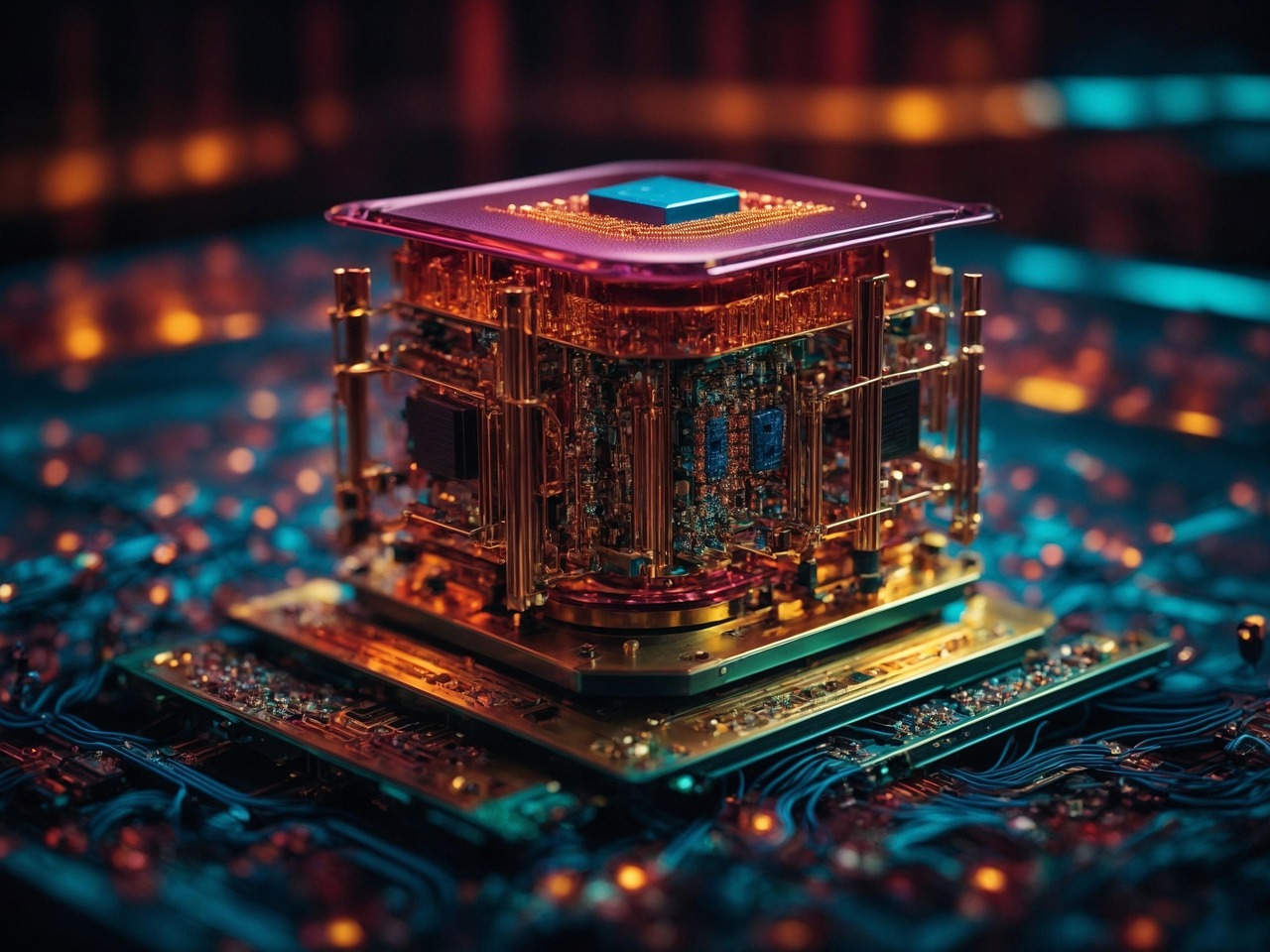
In 2025, artificial intelligence isn't just powering businesses—it’s igniting creativity like never before. At the forefront of this transformation stands OpenDream AI, a next-gen creative intelligence platform that is reshaping how artists, brands, marketers, and innovators produce content. Blending deep learning with generative modeling, OpenDream is turning imagination into stunning visual reality, all while setting new standards in ethical AI, accessibility, and artistic freedom. But how exactly is it doing that? Let’s dive into the impact, technology, and future of OpenDream AI.
1. The New Era of Generative AI Creativity
OpenDream AI marks a shift from traditional content creation to AI-powered artistry. By utilizing diffusion models and neural rendering techniques, it generates hyper-realistic images, scenes, and designs in seconds. This creative revolution is empowering individuals who’ve never touched a brush or lens to produce world-class art, marketing visuals, and concept prototypes.
2. Democratizing Access to High-End Visuals
Before OpenDream, high-quality design required expensive tools, skilled experts, or time-consuming workflows. Now, creators can input a simple text prompt and receive HD or even 8K photorealistic images in moments. This accessibility is leveling the creative playing field, especially for small businesses, YouTubers, ad agencies, and even students.
3. OpenDream AI for Business Branding & Marketing
Marketers are leveraging OpenDream AI to generate unique branding visuals, social media graphics, product mockups, and ad creatives. With AI-powered moodboards and batch image generation, businesses can now test dozens of visual campaigns with virtually no overhead—drastically cutting costs while improving engagement rates.
4. Powered by Ethics and Creative Control
OpenDream AI integrates ethical guardrails that prevent harmful or deceptive outputs, while still offering granular creative control. Artists can choose lighting, composition, detail level, and even visual style (e.g., cyberpunk, cinematic, watercolor). This balance of safety and freedom is winning user trust in a world wary of deepfakes and AI misuse.
5. Collaboration Between Human and Machine
Rather than replacing artists, OpenDream positions itself as a creative partner. Storyboard creators, NFT designers, indie filmmakers, and UX designers now rely on AI not to automate—but to augment—their human storytelling and vision. The synergy between neural networks and human taste is redefining design workflows across industries.
6. Scientific Applications and Educational Visualizations
Beyond art, OpenDream is gaining popularity among educators and scientists. From generating cosmic scenes for astronomy classes to simulating prehistoric environments for paleontology students, the tool makes science visually immersive and accessible—boosting both understanding and retention.
7. OpenDream in Fashion, Film, and Gaming
Major industries are integrating OpenDream to conceptualize new fashion lines, character designs, and fantasy environments. In gaming, it helps developers visualize rich story-driven worlds with stunning depth and originality. Indie filmmakers are even using OpenDream visuals as reference or pre-visualization for CGI.
8. Speed and Scalability for Enterprise Use
The OpenDream API allows brands and platforms to integrate image generation into their apps, websites, or content pipelines. This is fueling hyper-personalized content at scale, such as dynamic email banners, ad thumbnails, and real-time visual storytelling tools tailored to user behavior.
9. SEO, Content Marketing, and AI Visual Blogging
Bloggers and SEO strategists are tapping into OpenDream to enhance blog posts with AI-generated featured images, infographics, and thumbnails that improve CTR (Click Through Rate) and dwell time. This elevates content rankings on Google, especially when paired with high-quality copywriting.
10. The Future: Multi-Modal AI from Text to Video
While OpenDream is currently visual-first, its roadmap points toward multi-modal generation—including music, voice, and short videos. Imagine describing a scene and watching a short film come alive. OpenDream’s integration with voice cloning and animation engines is paving the way toward the metaverse of creativity.
Conclusion
In a digital world where attention is everything, OpenDream AI is rewriting the rules of creativity, productivity, and artistic empowerment. By blending deep learning with intuitive interfaces and ethical AI principles, it’s not just a tool—it’s a movement. Whether you're an artist, educator, entrepreneur, or tech enthusiast, OpenDream is your invitation to reimagine what's possible in 2025 and beyond.