Missile Attack on Saudi Arabia’s Riyadh Airport: What Happened?
The reported missile attack on King Khalid International Airport in Riyadh, Saudi Arabia, on 10 October 2026 has raised serious concerns about civilian safety, regional security and the protection of international air travel. The airport serves Saudi Arabia’s capital and connects Riyadh with destinations across the Middle East and the wider world. An attack affecting such a major transport hub can have consequences that extend well beyond the airport itself, including flight interruptions, passenger uncertainty, emergency medical needs and wider diplomatic tensions.
According to reporting published on 11 October 2026, Saudi Arabia’s General Authority of Civil Aviation (GACA) confirmed that 12 people were killed and 309 were injured in the 10 October attack. Authorities said some injured people were in critical condition and receiving medical treatment. The reported victims included Saudi citizens and foreign nationals. These figures describe the official toll reported at the time of publication; casualty figures can change as investigations and medical assessments continue. The incident followed other reported attacks on Saudi aviation facilities during the same week.
This article explains what is publicly reported about the Riyadh airport attack, why King Khalid International Airport matters, how airport emergencies are handled, what missile attacks can mean for civilian aviation, and which questions remain unanswered. It distinguishes reported facts from claims made by parties to the conflict. Because information about an unfolding security incident can change quickly, readers should check official Saudi announcements, airline notices and reliable news organisations for the latest updates before making travel decisions.
What Is King Khalid International Airport?
King Khalid International Airport, commonly abbreviated as KKIA, is the principal international airport serving Riyadh, the capital of Saudi Arabia. It is an important gateway for business travellers, tourists, residents, government delegations, migrant workers and people connecting to other destinations. The airport’s operations depend on coordination among airport management, airlines, air traffic services, security agencies, ground-handling teams, emergency responders and national aviation authorities.
A major airport is not simply a collection of passenger terminals and runways. It is a complex transport system that includes aircraft parking areas, taxiways, runways, baggage facilities, passenger screening, access roads, cargo operations, fuel and maintenance infrastructure, communications networks and emergency services. Each element has a role in maintaining safe and predictable travel. A serious security incident may require authorities to suspend or restrict some operations while they determine whether people, aircraft and facilities can safely continue operating.
Riyadh is also an important political, administrative and economic centre. Disruption to its airport can affect diplomatic travel, corporate schedules, family journeys, cargo movements and connecting flights. However, an airport’s importance does not mean every disruption will automatically stop all travel in the country. The operational effect depends on the location and extent of damage, the security assessment, available alternative routes, airline decisions and instructions from aviation authorities.
When Did the October 2026 Attack Occur?
Reports published on 10 and 11 October 2026 described an attack targeting King Khalid International Airport on Saturday, 10 October. Saudi civil aviation authorities initially reported that people had been injured and that the full scale of the incident was still being assessed. Subsequent reporting gave a more complete casualty figure after the authorities updated their information. Saudi Gazette reported on 11 October that GACA confirmed 12 deaths and 309 injuries.
The early reporting process matters because information released immediately after an attack is often incomplete. Emergency personnel may still be treating casualties, identifying victims, checking buildings and aircraft, and determining which areas are safe. Authorities may initially confirm only that an incident occurred before providing further details. News reports published at different times can therefore show different numbers without necessarily describing separate events.
For accuracy, readers should note the publication time of a report and whether it reflects an initial statement or a later official update. The toll quoted in this article is the figure reported by Saudi authorities and carried by news organisations as of 11 October 2026. It should not be interpreted as a guarantee that no subsequent update will be issued.
Reported Casualties and the Human Impact
The reported toll of 12 deaths and 309 injuries makes the attack a major civilian emergency. Behind every casualty figure are individuals and families whose lives may have been permanently changed. People affected by an airport attack can include passengers waiting for flights, airport employees, airline staff, contractors, security personnel, visitors and people working in nearby areas. The precise circumstances of each person’s injury should not be assumed unless authorities or reliable reporting have confirmed them.
GACA’s reported figures included victims from several national backgrounds. Reports listed four Saudi citizens, two Bangladeshi nationals and one national each from the United States, Egypt, Jordan, Syria, Palestine and Sudan among those killed. The diversity of the reported victims reflects the international character of modern aviation: airports bring together people who may live in different countries, speak different languages and have different family and employment circumstances.
In a mass-casualty incident, medical teams must assess the severity of injuries, prioritise urgent treatment, transport patients to appropriate facilities and coordinate information with hospitals. Some injuries may be immediately obvious, while others require examination and monitoring. The number of injured people alone does not reveal the severity of every injury or the long-term medical needs of survivors.
Families seeking information about a relative should rely on official emergency services, hospitals, consular authorities and designated family-assistance channels where these are available. Unverified social media posts can misidentify victims or spread inaccurate details. Respect for those affected means avoiding the publication of private personal information, graphic imagery or unconfirmed names.
What Is Known About the Target and Damage?
Public reporting described the attack as targeting King Khalid International Airport and said airport facilities sustained damage. Reports also stated that operations were temporarily suspended while authorities assessed the incident and the condition of airport facilities. The exact extent of damage, the status of individual structures and the final cost of repairs require official assessment rather than speculation.
It is important to distinguish an attack on an airport from a confirmed strike on a particular building, aircraft or runway. Early headlines sometimes use broad descriptions while details are still being verified. Unless a reliable source confirms the precise point of impact, the weapon type, the damage mechanism and the condition of specific airport assets, those details should not be presented as established facts.
Airports contain many sensitive systems, but a report of damage does not mean that every system has failed. Authorities may close an entire airport temporarily as a precaution even when the eventual damage assessment identifies only limited areas that need repairs. Conversely, visible damage may be only one part of a larger safety assessment, because debris, unexploded ordnance concerns, damaged utilities or uncertainty about further threats can also affect decisions.
At the time covered by the cited reports, the public information available did not establish every technical detail about the weapon used, its trajectory, the precise sequence of events or the full inventory of damaged facilities. These questions require reliable investigative findings. This article does not infer such details from the supplied illustrative image.
Who Was Blamed for the Attack?
News reports on the October 2026 incident attributed accusations against Yemen’s Houthi movement to Saudi authorities and the Saudi-led coalition supporting Yemen’s internationally recognised government. The Houthis, also known as Ansar Allah, are an armed political movement that controls substantial territory in Yemen, including the capital, Sana’a. The movement has been involved in a prolonged conflict with the Saudi-led coalition and has carried out attacks across the region in previous periods.
Attribution in an armed conflict should be reported carefully. A government statement, a military accusation, a claim of responsibility and an independently verified investigative conclusion are not the same thing. Authorities may have intelligence that is not immediately available to the public, while the party accused may deny responsibility or provide a different account. Responsible reporting identifies who made a claim and avoids presenting disputed claims as independently proven when the available evidence does not support that wording.
The wider conflict involving Saudi Arabia and the Houthis has included cross-border attacks, military operations, political negotiations and repeated disputes over security arrangements. The history helps explain why an attack on a Saudi airport is interpreted as a regional security event. It does not, by itself, prove every detail about responsibility for a particular incident.
Readers should look for subsequent statements from GACA, Saudi official news sources, the coalition, the Houthi movement and independent news organisations. The strongest account will distinguish the confirmed occurrence of an attack from the evidence supporting attribution, the legal assessment of the conduct and any claims about military intent.
Why an Attack on a Civilian Airport Is So Serious
Civilian airports are critical public infrastructure. They support travel, trade, medical evacuation, humanitarian movement, family reunification and international cooperation. Passengers and airport workers may be present in large numbers, and many of them have no connection to military operations. An attack that places civilians at risk can therefore have consequences far beyond damage to property.
International humanitarian law contains rules intended to protect civilians and civilian objects during armed conflict. Parties must distinguish between civilians and combatants, and between civilian objects and military objectives. Attacks must comply with applicable rules on distinction, proportionality and precautions. The legal analysis of a particular incident depends on the facts, including the intended target, the circumstances of the attack, the expected civilian harm and the information reasonably available to those planning or conducting it.
An airport can raise complicated legal questions if a specific facility is being used for military purposes, but the mere existence of an armed conflict does not remove civilian protection from an entire airport or its passengers. Nor does the label used by one party settle the legal question. A competent investigation would need to establish the relevant facts before reaching a definitive conclusion about a specific strike.
Public statements condemning an attack can express a government’s position, but readers should distinguish political characterisations from a final legal determination by a competent authority. The deaths and injuries reported in Riyadh underscore why the protection of civilian aviation facilities is a major international concern.
How Airport Authorities Respond to a Missile or Security Attack
When an airport experiences a serious security incident, the immediate priority is to protect life. Depending on the circumstances, airport management and public authorities may activate emergency plans, notify rescue and medical teams, secure affected areas, direct people away from danger and coordinate with police, civil defence and other specialist services. The precise response varies with the incident, the available information and the airport’s emergency procedures.
Emergency teams may need to assess injured people, establish safe access routes for ambulances, identify hazards and prevent unauthorised entry into damaged areas. Fire services may check for fire, smoke, fuel leaks or electrical hazards. Security personnel may establish controlled perimeters while technical teams examine infrastructure. These actions can continue after the immediate threat has ended because a site must be assessed before normal activity can resume.
Airport operations involve interdependent safety checks. A runway may appear usable but still require inspection. A terminal may be structurally sound while access routes or utility systems need attention. Air traffic services and airport management must also consider whether aircraft can safely arrive, depart, taxi and park. The decision to resume operations should be based on the relevant safety and security assessments, not solely on whether the initial explosion or impact has stopped.
Temporary closure can be disruptive, but it is a recognised precaution during emergencies. Authorities may reopen parts of an airport in stages or impose restrictions while checks continue. Passengers should not attempt to enter restricted zones, approach damaged areas or bypass security instructions to reach a flight.
Flight Cancellations, Delays and Passenger Advice
An airport security incident can cause delays and cancellations even for flights that were not directly affected by physical damage. Airlines may need to reposition aircraft, reschedule crews, reroute flights, accommodate passengers whose connections have been missed and wait for airport authorities to confirm that operations are safe. Aircraft and crew scheduling is interconnected, so disruption at one major hub can affect services at other airports.
Passengers travelling to or from Riyadh should check their flight status with the operating airline before leaving for the airport. They should also review official airport notices and follow instructions from local authorities. A ticket, booking confirmation or earlier boarding pass does not guarantee that a flight will operate as originally scheduled during a security emergency.
Travellers whose flights are cancelled should contact their airline or booking provider to understand available options. Depending on the ticket, airline policy, applicable law and circumstances, options may include rebooking, a refund or assistance with a disrupted itinerary. The specific entitlement cannot be determined from the fact of an attack alone. Passengers should keep booking references, receipts and written communications in case they need to make a claim later.
Travellers should avoid relying on unofficial accounts that claim to know which flights will depart or which airport areas are open. Schedules can change quickly, and old screenshots may remain in circulation after they become inaccurate. If a consulate, airline or airport provides a designated information channel, use that channel rather than forwarding unverified messages.
What Should Passengers Do During an Airport Emergency?
Anyone present during an emergency should follow instructions from airport staff, emergency responders and local authorities. If told to move to a designated safe area, do so promptly and avoid stopping to film or photograph the incident. Do not touch unfamiliar objects or debris, enter cordoned-off areas or return to collect luggage unless authorities say it is safe. Personal belongings are replaceable; personal safety comes first.
People who are injured or feel unwell should seek assistance from trained responders. If a person is in immediate danger, contact local emergency services where possible and follow their guidance. Bystanders should avoid moving a seriously injured person unless leaving them in place presents an immediate danger or emergency professionals instruct them to do so.
Passengers should keep essential travel documents and medication accessible when it is safe to do so, but they should not delay evacuation to retrieve luggage. Families travelling together can agree on a simple meeting point if separated, provided that the point is outside restricted or dangerous areas. Parents and guardians should keep children close and explain instructions in calm, age-appropriate language.
People who are not at the airport but have relatives or colleagues travelling through Riyadh should communicate directly with them where possible. Avoid repeatedly calling emergency hotlines for general updates if official information channels are available, as emergency services need to prioritise urgent calls. Share verified information rather than rumours, and respect the privacy of people affected.
Why Missile Attacks Threaten Civil Aviation
Commercial aviation relies on a controlled environment in which aircraft, airport operators and air navigation services manage risks through procedures, technical systems and coordination. A missile or other hostile attack introduces a hazard that may be difficult to predict and can affect airport infrastructure, people on the ground and aircraft operations. Even when a weapon does not directly strike an aircraft, uncertainty about further attacks can require changes to flight schedules and airspace management.
The risk to aviation is not limited to the physical impact of a weapon. Emergency closures, restrictions on airspace, uncertainty about safe arrival and departure routes, and damage to communications or airport services can all affect operations. Airlines and aviation authorities may need to review risk assessments and adjust schedules or routes as conditions change.
Airlines generally make operational decisions using information from aviation authorities, security assessments, flight dispatch teams and applicable regulations. Passengers rarely have access to all the information used in those decisions, which is why a cancellation or diversion should not automatically be interpreted as evidence of a particular level of damage. Safety decisions can be precautionary and may be revised as more reliable information becomes available.
Repeated attacks against aviation infrastructure can also undermine confidence in regional air travel. Airlines may have to account for uncertainty in planning, while travellers may delay or change trips. These effects can reach tourism, business travel, cargo transport and international events. The scale and duration of the impact depend on how long restrictions remain in place and whether additional incidents occur.
Regional Context: Saudi Arabia and the Yemen Conflict
The attack occurred against the background of a long-running conflict involving Yemen’s Houthi movement, the internationally recognised Yemeni government and a Saudi-led coalition. The conflict has passed through periods of intense fighting, ceasefire efforts, negotiations and renewed hostilities. Its effects have included civilian displacement, damage to infrastructure, restrictions on movement and concerns about regional shipping and aviation.
Saudi Arabia shares a border with Yemen and has been directly involved in the conflict. Houthi forces have previously launched cross-border projectiles and drones toward Saudi territory, while Saudi-led forces have conducted military operations in Yemen. The conflict’s political and military dynamics are complex, and explanations offered by opposing parties often differ substantially.
Regional events can also involve other governments and armed groups, but a careful account should not assume that every actor is directly responsible for a specific attack without evidence. Political alliances, military support and shared interests are relevant context, yet they are not substitutes for establishing who planned, launched or enabled an individual operation.
The Riyadh airport incident illustrates how a conflict centred in one country can affect transport infrastructure and civilians in another. It also shows why de-escalation, reliable communication channels and protection of civilian facilities matter for regional stability. Any assessment of the longer-term consequences will depend on subsequent military developments, diplomatic responses and decisions by the parties involved.
How the Attack May Affect the Saudi Economy
Air transport supports a range of economic activities, including tourism, hospitality, conferences, trade, logistics and investment. Riyadh’s airport is an important access point for business travellers, government delegations and visitors. An attack that interrupts airport operations can cause immediate costs for airlines, passengers, hotels, transport companies and businesses that depend on scheduled travel.
Short-term costs may include cancelled reservations, rebooked flights, delayed shipments, additional security expenses and lost working time. If disruptions continue, companies may reconsider travel plans or build additional time into logistics. Businesses that rely on time-sensitive cargo can face different consequences from passengers travelling for holidays or family visits.
However, it would be premature to calculate the total economic impact without data on cancellations, duration of closure, infrastructure damage, insurance claims and recovery. One incident does not automatically determine the long-term performance of Saudi Arabia’s economy. The effect depends on whether operations resume quickly, whether further incidents occur and how authorities and companies respond.
Investors and business travellers should avoid making major decisions solely on the basis of unverified social media commentary. Relevant indicators include official airport operations, airline schedules, government advisories, credible economic reporting and company disclosures. The broader economy is influenced by many factors, so the airport attack should be evaluated as one security event within a larger context.
International Reactions and Diplomatic Consequences
Attacks that cause civilian deaths can generate diplomatic condemnation, calls for accountability and renewed debate about regional security. Governments may issue statements of sympathy, urge restraint, review travel advisories or discuss security cooperation with affected countries. The form and timing of these responses depend on the information available, diplomatic relationships and the wider political situation.
Diplomatic statements should be read carefully. A condemnation may express a government’s position without announcing a specific policy change. A warning of retaliation is not the same as confirmation that military action has occurred. Similarly, a proposal for talks does not guarantee that negotiations will begin or succeed. Accurate reporting separates announced decisions from possibilities and predictions.
International humanitarian law and the protection of civilians are central to discussions of attacks on civilian infrastructure. International organisations and governments may call for investigations or compliance with legal obligations. Whether a specific incident violates a particular legal rule depends on the facts established through a reliable process. A headline or political statement alone is not a substitute for a complete legal assessment.
Diplomatic consequences can continue after an airport reopens. Governments may exchange information, review security arrangements, support affected nationals or raise the issue in international forums. The long-term result is not predetermined. It may involve further escalation, deterrence measures, diplomatic engagement or a combination of approaches.
How to Evaluate News About the Riyadh Airport Attack
Breaking news often develops in stages. An initial report may describe an explosion or interruption; a later statement may confirm an attack; and subsequent updates may establish casualties, damage, attribution or operational changes. Readers should compare the time of publication, the source of the information and whether a report has been updated since it first appeared.
Official sources can provide direct information about government decisions and emergency instructions, but official statements may also reflect the position of the institution issuing them. Independent news organisations can add context and cross-check claims, while still making errors during fast-moving events. Strong reporting identifies named sources where possible, explains uncertainty and corrects earlier information when necessary.
Images and videos require special care. A photograph may be old, taken in another country or unrelated to the event being discussed. A dramatic image does not prove when or where it was captured. Readers should look for the original source, publication date, location confirmation and credible verification. Artificially generated or illustrative imagery should not be presented as documentary evidence.
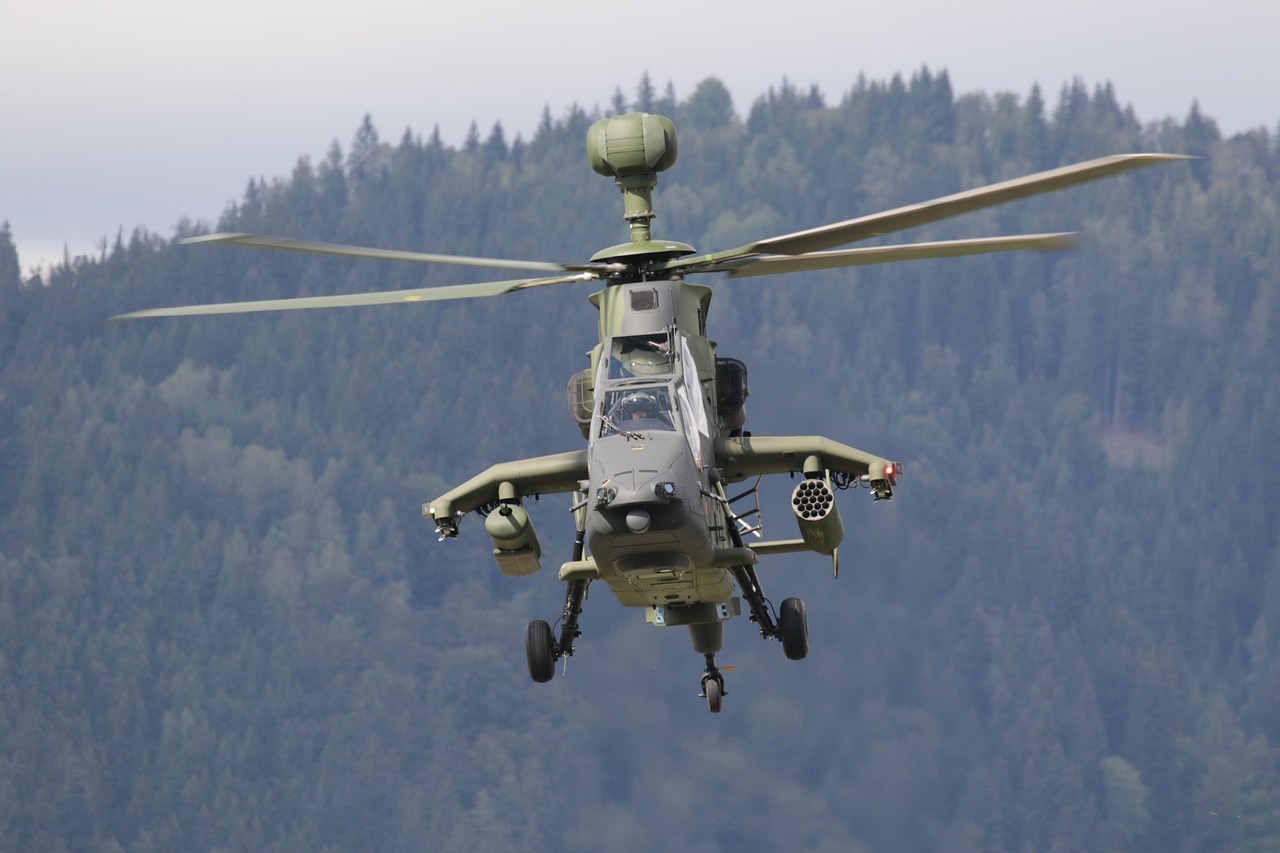
The image attached to this article is supplied from Pixabay and is used as an illustrative visual. It should not be interpreted as verified footage of the Riyadh airport attack, evidence of the weapon used or a record of the casualties. The article’s factual claims are based on published reporting and official statements, not on assumptions drawn from the image.
What Remains Unconfirmed?
Even after authorities publish casualty figures, several questions may remain open. These can include the precise weapon used, the full sequence of events, the exact location and extent of damage, the evidence supporting attribution, the total financial cost and the time required for all affected operations to return to normal. Some details may be released only after technical or security investigations are completed.
Readers should be cautious about claims that offer an exact weapon model, launch location, interception rate or tactical explanation without credible evidence. Such information may be difficult to verify independently and may be sensitive during an active security situation. Publishing speculative technical detail can mislead readers and distract from the confirmed human impact.
Casualty counts can also change as hospitals and authorities reconcile information. A person initially reported missing may later be identified, and an injured person’s condition may change. This is why reports should be dated and why the latest official update matters when quoting figures.
Uncertainty does not mean that nothing is known. The reported attack, the official casualty figures and the temporary disruption to airport operations are meaningful facts. A responsible account can clearly state these facts while acknowledging that other elements require confirmation.
Safety, Preparedness and the Role of Public Communication
Clear communication is a critical part of emergency management. Passengers need to know whether to travel to the airport, where to obtain flight information, which areas are restricted and how to seek assistance. Conflicting or outdated messages can cause confusion, particularly when people are travelling internationally or do not speak the local language.
Airport authorities and airlines can help reduce confusion by directing travellers to official updates and providing information about changes to flights. Consular services may assist their nationals with emergency information and family communication. Hospitals and emergency services have different responsibilities and should not be expected to provide general travel updates when they are dealing with urgent medical needs.
Individuals can support effective public communication by sharing official notices without altering their meaning, checking timestamps and correcting misinformation when reliable updates become available. They should not share unverified lists of victims, private medical details or images of injured people. Compassionate reporting protects the dignity of those affected while ensuring the public understands the seriousness of the incident.
Preparedness also includes practical steps for travellers: keeping contact information accessible, knowing how to contact an airline, carrying essential medication when appropriate and understanding the emergency guidance provided at the airport. These steps cannot eliminate risk, but they can help people respond more effectively when travel plans are disrupted.
What Happens After an Airport Attack?
Following an attack, authorities typically need to move from immediate response to assessment and recovery. The process may involve documenting damage, interviewing witnesses, reviewing available records, examining affected infrastructure and coordinating with relevant security agencies. The exact process depends on the incident and the applicable legal and administrative framework.
Airport recovery is not simply a matter of repairing visible damage. Operators must confirm that facilities and systems meet required safety standards, that emergency access is available and that any operational restrictions can be lifted safely. Airlines may then adjust aircraft rotations and crew schedules, while passengers work through cancellations and rebookings.
Investigations may take longer than the initial recovery. Authorities might release preliminary findings before a final report, and some information may remain confidential for security or legal reasons. The public should not assume that the absence of a detailed public report means no investigation is taking place.
For affected people, recovery may include medical treatment, financial claims, travel assistance and psychological support. The needs of survivors and families can continue long after news coverage declines. Responsible follow-up reporting should consider those longer-term consequences rather than focusing only on the immediate event.
Why Accurate Reporting Matters During Conflict
Conflict-related misinformation can spread rapidly because people are frightened, communications may be disrupted and there is often strong pressure to explain what happened immediately. False claims about casualty numbers, responsibility or military developments can intensify fear and hostility. They can also create practical problems for travellers and families trying to locate reliable information.
Accuracy requires separating verified information from allegations and analysis. If a government blames a particular group, a report should attribute that claim. If an armed group claims responsibility, that claim should be identified as such until independently corroborated. If a detail is unknown, saying so is more informative than filling the gap with speculation.
Responsible reporting should also avoid dehumanising language and collective blame. Civilians from different nationalities may be among those harmed, and a government’s actions do not make every member of a population responsible for them. The humanitarian impact should remain visible regardless of the nationality or political identity of those affected.
Readers can help by checking whether a claim appears in multiple reliable sources, whether those sources cite direct evidence and whether the information has been corrected. Sensational wording, anonymous viral posts and images without provenance deserve particular caution. In a rapidly changing situation, the most reliable conclusion may be that some details are still being investigated.
Conclusion: The Significance of the Riyadh Airport Attack
The reported missile attack on King Khalid International Airport in Riyadh on 10 October 2026 represents a serious incident involving civilian aviation infrastructure. According to the Saudi civil aviation authority as reported on 11 October, 12 people were killed and 309 were injured. Authorities also reported property damage and a temporary suspension of airport operations while assessments were conducted. These developments highlight the human consequences of attacks affecting busy transport facilities.
The incident must be understood in the context of the wider Saudi Arabia–Yemen conflict, but context should not replace evidence. Saudi authorities and the Saudi-led coalition attributed the attack to the Houthi movement in public reporting. The precise circumstances, the full extent of damage and the final investigative findings should be described according to verified information as it becomes available.
For passengers, the most practical response is to follow airline notices, airport announcements and official travel guidance rather than relying on rumours. For the wider public, the most useful approach is to distinguish confirmed information from claims, respect the privacy of victims and recognise the legal and humanitarian importance of protecting civilians. The impact of an attack is measured not only in damage to infrastructure but also in lives lost, people injured, families disrupted and confidence in safe travel.
As investigations and official updates continue, this article should be read as a dated account of information reported by 11 October 2026, not as a final technical or legal determination. New verified information may clarify the sequence of events, the attribution and the longer-term consequences. In the meantime, the central facts remain the reported loss of life, the large number of injured people and the importance of protecting civilians and civil aviation facilities from the effects of armed conflict.
Frequently Asked Questions
What happened at Riyadh airport on 10 October 2026?
Reports said King Khalid International Airport in Riyadh was attacked on 10 October 2026. Saudi Arabia’s General Authority of Civil Aviation later reported 12 deaths and 309 injuries, and said airport operations were temporarily suspended while damage and safety were assessed.
How many people were killed in the Riyadh airport attack?
As reported on 11 October 2026, Saudi authorities confirmed that 12 people were killed. Because investigations and official updates may continue, readers should check the latest statements for any revised figures.
How many people were injured?
GACA reported 309 injured people, including some in critical condition. The figure reflects the official report available on 11 October 2026 and may be updated if authorities release new information.
Which airport in Riyadh was attacked?
The airport identified in the reports is King Khalid International Airport, commonly known as KKIA. It is the major international airport serving Riyadh, the capital of Saudi Arabia.
Who was blamed for the attack?
Published reports attributed accusations against Yemen’s Houthi movement to Saudi authorities and the Saudi-led coalition. Attribution claims should be distinguished from independently verified investigative findings, and readers should consult reliable updates as further evidence becomes available.
Was Riyadh airport closed after the attack?
Reports said operations were temporarily suspended while authorities assessed damage and safety. Airport operating status can change, so passengers should check directly with their airline and the airport before travelling.
Were foreign nationals among the victims?
Yes. Reports based on the official casualty announcement identified victims from several countries, including Bangladesh, the United States, Egypt, Jordan, Syria, Palestine and Sudan, as well as Saudi Arabia.
What should passengers with flights to Riyadh do?
Passengers should check their flight status with the operating airline, review official airport notices and follow local authority instructions. They should not travel to restricted areas or rely on old screenshots and unverified social media posts for operational information.
Does the supplied image show the actual Riyadh airport attack?
The image URL supplied for this article is treated as an illustrative image. It has not been verified as documentary evidence of the incident and should not be described as a photograph of the actual attack.
Where can readers find reliable updates about the attack?
Readers can consult Saudi Arabia’s General Authority of Civil Aviation, official airport and airline notices, the Saudi Press Agency and established news organisations that identify their sources and update reports when verified information changes. Check the publication time and distinguish official statements from allegations or analysis.