Brain Computer Interface Technology Explained
Dfluxspace Research Team • 2026-03-01T00:00:00.000Z
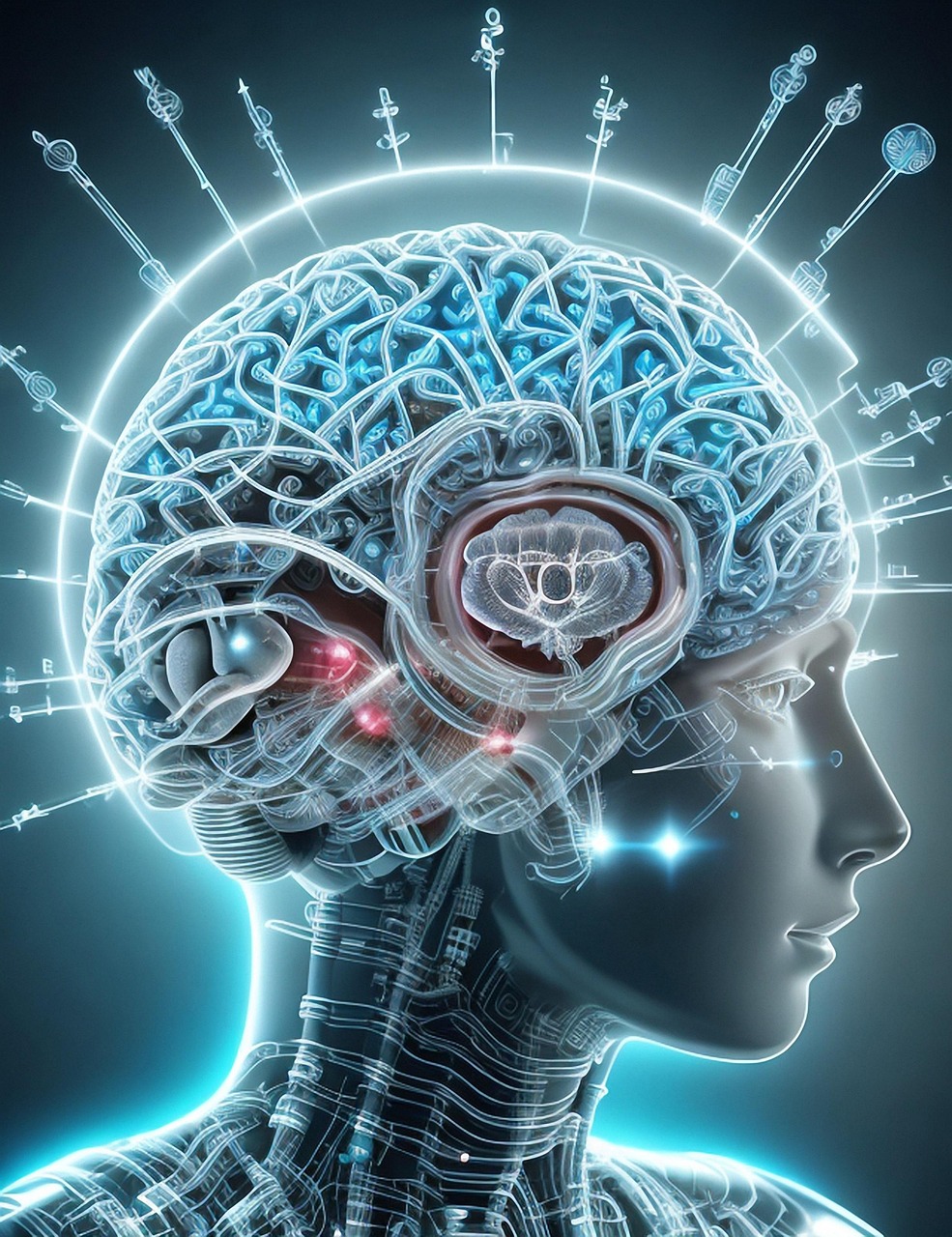
Brain Computer Interface technology, often called BCI or brain-machine interface, represents one of the most fascinating developments in modern science and technology. By creating a direct communication pathway between the human brain and digital systems, BCI technology has the potential to transform healthcare, communication, robotics, and even everyday computing. Scientists and engineers are working to decode neural signals from the brain and translate them into commands that machines can understand. These signals can then control computers, robotic arms, prosthetic devices, or other digital systems without using traditional input methods such as keyboards or touch screens. As artificial intelligence and neuroscience continue to advance, brain computer interface technology is moving closer to practical real-world applications. From restoring mobility for paralyzed patients to enabling entirely new forms of human-computer interaction, BCI systems may redefine how humans interact with technology in the coming decades.
What Is Brain Computer Interface Technology?
A Brain Computer Interface, commonly referred to as BCI, is a system that allows direct communication between the human brain and an external digital device. Instead of using traditional input methods such as keyboards, mice, or touchscreens, a BCI interprets neural signals generated by the brain and converts them into commands that machines can execute. This technology bridges the gap between biological neural activity and electronic computing systems.
The concept behind brain computer interfaces is based on measuring electrical signals produced by neurons in the brain. When humans think, move, or perceive information, neurons communicate through electrical impulses. BCI technologies capture these signals using sensors and advanced algorithms, allowing computers to interpret the user's intentions.
Brain computer interface systems typically consist of several components including signal acquisition hardware, signal processing software, machine learning algorithms, and output devices. Together, these components form a communication pathway that translates brain activity into digital actions.
The Science Behind Brain Signals
The human brain contains approximately eighty-six billion neurons that communicate through electrical and chemical signals. When a person thinks about moving a hand, speaking a word, or imagining an image, specific patterns of neural activity occur within the brain.
Brain computer interfaces attempt to detect these neural patterns using specialized sensors. Electroencephalography, often abbreviated as EEG, is one common method used to measure brain activity. EEG sensors placed on the scalp detect electrical signals produced by groups of neurons.
More advanced BCI systems may use implanted electrodes that are placed directly on or within brain tissue. These invasive interfaces can capture more precise neural signals, enabling finer control of external devices. However, they also require surgical procedures and are typically used only in medical research environments.
Once brain signals are captured, advanced algorithms analyze the data to identify patterns associated with specific intentions or commands. Machine learning models are often used to improve accuracy over time as the system learns how a particular user's brain signals correspond to different actions.
Types of Brain Computer Interfaces
Brain computer interface technologies are generally classified into three main categories: invasive, partially invasive, and non-invasive systems. Each approach has its own advantages and challenges.
Invasive BCIs involve surgically implanting electrodes directly into brain tissue. These systems provide highly detailed neural data because the sensors are placed very close to the neurons generating electrical signals. Invasive interfaces are commonly used in experimental medical treatments such as neural prosthetics for patients with severe paralysis.
Partially invasive BCIs place electrodes inside the skull but outside the brain tissue. These devices capture stronger signals than non-invasive methods while reducing some of the risks associated with direct brain implants.
Non-invasive BCIs, on the other hand, use sensors placed on the scalp. EEG headsets are the most common example. While these systems are safer and easier to use, they generally provide lower signal resolution compared to invasive interfaces.
Applications in Healthcare and Medicine
One of the most promising applications of brain computer interface technology is in the field of healthcare. BCIs have the potential to dramatically improve the lives of individuals suffering from neurological disorders or severe physical disabilities.
Patients with spinal cord injuries or paralysis may use BCIs to control robotic limbs or prosthetic devices using only their thoughts. Researchers have successfully demonstrated systems that allow paralyzed individuals to move robotic arms, operate wheelchairs, or type on virtual keyboards through brain signals.
BCIs may also assist individuals who have lost the ability to speak due to neurological conditions. By analyzing neural signals related to speech formation, scientists are developing systems capable of translating brain activity directly into synthesized speech.
Another promising area involves rehabilitation after strokes or brain injuries. Brain computer interface systems can help patients retrain neural pathways by providing feedback during rehabilitation exercises.
Brain Computer Interfaces and Artificial Intelligence
Artificial intelligence plays a critical role in the development of effective brain computer interface systems. Neural signals are complex and often difficult to interpret without advanced computational methods. Machine learning algorithms help identify patterns in brain activity that correspond to specific intentions or commands.
AI systems can analyze large datasets of neural recordings and learn how different individuals generate brain signals during various tasks. Over time, these models improve their ability to translate neural activity into accurate machine commands.
Deep learning techniques are particularly useful for decoding brain signals because they can process large volumes of complex data. These algorithms enable BCIs to become more reliable and adaptable to individual users.
The combination of artificial intelligence and neuroscience is creating powerful new tools that enhance the capabilities of brain computer interface technology.
Communication Through Thought
One of the most intriguing possibilities offered by BCI technology is the ability to communicate directly through thought. Instead of typing or speaking, individuals could transmit messages simply by generating specific neural signals.
Researchers are experimenting with systems that allow users to select letters or words on virtual keyboards using brain activity. Although current systems are still relatively slow compared to traditional typing methods, improvements in signal processing and AI algorithms may significantly increase communication speeds in the future.
Thought-based communication could be particularly beneficial for individuals with conditions such as locked-in syndrome, where patients are fully conscious but unable to move or speak.
BCI Technology and Robotics
Brain computer interfaces are also playing an important role in the development of advanced robotics. By connecting neural signals to robotic systems, humans may eventually control machines with unprecedented precision.
BCI-controlled robotic arms are already being tested in research laboratories. These systems allow users to manipulate objects, perform complex movements, and interact with their environment using thought commands.
In industrial settings, BCI technology could allow workers to control robotic tools or machinery through neural signals. This could improve efficiency and create new forms of human-machine collaboration.
Ethical and Privacy Considerations
As brain computer interface technology continues to advance, it raises important ethical and privacy questions. Neural data is deeply personal because it originates directly from brain activity. Protecting this data from misuse or unauthorized access is a critical concern.
Researchers and policymakers are exploring ways to establish ethical guidelines for the development and deployment of BCI systems. Issues such as data ownership, consent, and potential misuse of neural information must be carefully addressed.
There are also philosophical questions about how brain computer interfaces might influence human identity, autonomy, and cognitive privacy. As technology becomes capable of interpreting thoughts, maintaining ethical safeguards becomes increasingly important.
The Future of Brain Computer Interfaces
The future of brain computer interface technology holds enormous potential. Scientists are working to develop systems that are more accurate, less invasive, and easier for people to use in everyday life.
Advances in neuroscience, artificial intelligence, and microelectronics are likely to accelerate progress in this field. Smaller sensors, improved signal processing techniques, and more powerful machine learning models could dramatically enhance BCI performance.
In the long term, brain computer interfaces may become integrated with augmented reality systems, wearable devices, and advanced prosthetics. These technologies could allow humans to interact with digital systems in ways that feel natural and intuitive.
While significant challenges remain, the rapid pace of innovation suggests that brain computer interfaces may become a major component of future human-technology ecosystems.
How BCI Could Transform the Digital World
Brain computer interface technology has the potential to transform how people interact with computers and digital networks. Instead of relying on traditional input devices, users may eventually control digital environments directly through neural signals.
This transformation could create new possibilities in education, entertainment, virtual reality, and scientific research. Imagine designing complex simulations using thought commands or navigating digital environments simply by imagining movements.
As the boundaries between biological and digital systems continue to blur, brain computer interface technology may represent one of the most important technological revolutions of the twenty-first century.