Space Technology Startups Leading the Space Economy
Dfluxspace Research Team • 2026-03-01T00:00:00.000Z
The global space industry is undergoing a major transformation driven by innovative space technology startups. Once dominated exclusively by national space agencies, the modern space sector now includes hundreds of private companies developing advanced technologies for satellites, launch systems, space exploration, and space infrastructure. This rapidly expanding ecosystem is often referred to as the "New Space Economy." Space startups are lowering the cost of launching satellites, improving Earth observation capabilities, and exploring new commercial opportunities beyond Earth. With increasing investment from venture capital firms, governments, and technology leaders, these companies are reshaping how humanity explores, utilizes, and benefits from space technology. As satellite networks expand, deep-space missions become more ambitious, and commercial space infrastructure grows, startups are playing a crucial role in accelerating the development of the global space economy.
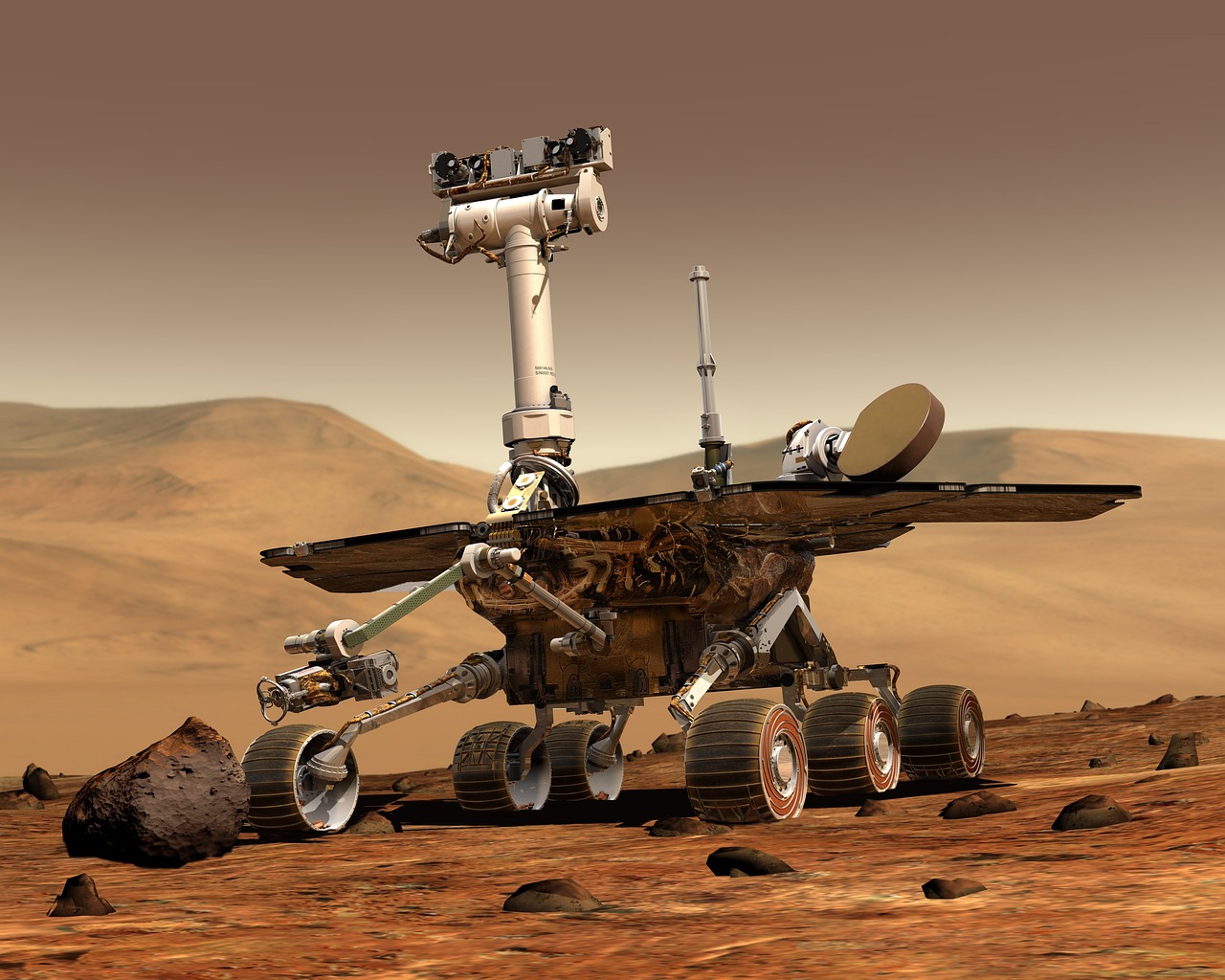
The Emergence of the New Space Economy
The space industry has historically been controlled by government space agencies with extremely high budgets and long development cycles. Programs led by national organizations such as space exploration agencies required decades of research and billions of dollars in investment. However, over the past two decades, a new generation of private companies has entered the sector with innovative business models and advanced technologies.
This shift has created what many analysts call the "New Space Economy." Instead of relying entirely on government missions, private companies are developing satellites, launch vehicles, and space infrastructure designed for commercial markets. These startups are applying agile engineering methods, rapid prototyping, and advanced manufacturing technologies to accelerate space innovation.
As a result, the cost of accessing space has decreased dramatically, making it possible for more organizations, universities, and even small companies to participate in space exploration and satellite deployment.
Why Space Startups Are Growing Rapidly
Several major technological and economic trends are driving the growth of space technology startups. One of the most important factors is the dramatic reduction in launch costs made possible by reusable rocket technology and improved manufacturing methods.
Modern rocket systems can now launch satellites at a fraction of the cost required two decades ago. This reduction in launch expenses allows startups to design innovative satellite constellations and space services that were previously financially impossible.
Another key driver is the increasing demand for global connectivity and data. Satellite internet networks, Earth observation systems, and global communication services require thousands of satellites operating in low Earth orbit. Startups are developing new technologies to support this growing infrastructure.
Additionally, advances in miniaturization have allowed engineers to build smaller satellites known as CubeSats and nanosatellites. These compact spacecraft can perform complex tasks while costing far less than traditional satellites.
Satellite Technology Startups
Satellite technology is one of the most active sectors within the space startup ecosystem. Companies around the world are building satellite constellations designed to provide internet connectivity, environmental monitoring, climate data, and global communications.
Low Earth orbit satellite networks are particularly important because they allow satellites to transmit data with lower latency compared to traditional geostationary satellites. This capability is critical for applications such as broadband internet, navigation systems, and real-time data services.
Earth observation startups are also deploying advanced satellites equipped with high-resolution cameras, radar imaging systems, and environmental sensors. These satellites collect valuable data used in agriculture, disaster management, urban planning, and climate research.
By combining satellite imagery with artificial intelligence, companies can analyze large datasets to provide actionable insights for governments, businesses, and research institutions.
Launch Service Startups
Launching satellites into orbit has historically been one of the most expensive aspects of space missions. Today, several aerospace startups are developing small launch vehicles specifically designed to deliver nanosatellites and CubeSats into orbit.
These launch service companies focus on building compact, cost-effective rockets that can provide flexible launch schedules for satellite operators. Instead of waiting months or years for large government missions, customers can schedule smaller launches more frequently.
Reusable rocket components are also helping reduce launch costs by allowing companies to recover and reuse expensive hardware after each mission. This approach significantly improves the economic sustainability of space transportation.
The growing launch startup ecosystem is enabling faster deployment of satellite networks and supporting the expansion of commercial space activities.
Space Infrastructure and Orbital Services
As the number of satellites in orbit continues to increase, there is growing demand for space infrastructure services that support long-term operations in space. Several startups are developing technologies designed to maintain, refuel, repair, and reposition satellites already operating in orbit.
Orbital servicing spacecraft can extend the lifespan of satellites by providing maintenance capabilities that were previously impossible once a satellite was launched. These services help satellite operators maximize the value of their investments.
Other startups are exploring the concept of orbital manufacturing, where materials could be produced in microgravity environments to create advanced products that cannot be manufactured on Earth.
Space debris management is another critical area of development. With thousands of satellites orbiting the planet, removing dangerous debris is essential to maintaining safe space operations.
Deep Space Exploration Startups
Beyond Earth orbit, several innovative startups are developing technologies for deep space exploration. These companies are designing spacecraft capable of traveling to the Moon, Mars, and asteroids for scientific research and commercial missions.
Lunar exploration startups are building robotic landers and rovers designed to support future human missions and establish infrastructure on the Moon. These systems may eventually enable lunar mining operations and long-term research facilities.
Asteroid mining is another concept attracting attention from space entrepreneurs. Certain asteroids contain valuable metals and rare materials that could support future space manufacturing industries.
Although these missions remain highly complex, advances in robotics, propulsion systems, and autonomous navigation are making deep space exploration more feasible for private companies.
Investment and Venture Capital in Space Startups
The rapid growth of the space startup ecosystem has attracted significant investment from venture capital firms, technology companies, and government innovation programs. Investors see enormous potential in the emerging space economy as satellite data, communications infrastructure, and space services become increasingly valuable.
Global investment in space startups has grown dramatically in recent years, funding research in satellite manufacturing, launch technologies, artificial intelligence for space applications, and advanced propulsion systems.
Government partnerships are also playing an important role in supporting private space companies. Many space agencies now collaborate with startups to develop technologies that support national space missions.
This public-private partnership model allows governments to benefit from innovative technologies while startups gain access to funding, expertise, and mission opportunities.
Challenges Facing Space Technology Startups
Despite the exciting opportunities within the space economy, startups in this sector face significant challenges. Developing space hardware requires advanced engineering expertise, extensive testing, and strict safety standards.
Space missions also involve high financial risk because launch failures or technical issues can result in the loss of expensive equipment. Startups must carefully manage risk while developing reliable technologies.
Regulatory frameworks also present challenges. Companies must obtain launch approvals, frequency allocations for satellite communications, and compliance with international space treaties.
In addition, the increasing number of satellites in orbit raises concerns about congestion and space debris, which could threaten the long-term sustainability of orbital environments.
The Future of the Global Space Economy
The future of the space economy appears extremely promising as technological innovation continues to accelerate. Analysts predict that the global space economy could exceed one trillion dollars in value within the coming decades.
Satellite-based services will likely play a major role in this growth by supporting global communications, navigation systems, climate monitoring, and data-driven industries.
New markets may also emerge in areas such as space tourism, orbital manufacturing, and lunar infrastructure development. Private companies are already exploring commercial space stations and transportation systems designed to support future space industries.
As launch costs decrease and space technologies become more accessible, more startups will enter the sector, bringing new ideas and accelerating innovation.
Conclusion
Space technology startups are playing a crucial role in transforming the global space industry. By developing innovative launch systems, satellite networks, space infrastructure, and deep space exploration technologies, these companies are expanding humanity's ability to utilize space resources.
The emergence of the New Space Economy represents a major shift from government-dominated space programs toward a more dynamic ecosystem driven by private innovation and commercial opportunities.
While challenges remain in terms of regulation, risk management, and space sustainability, the rapid growth of space startups suggests that the coming decades will bring remarkable advancements in space technology and exploration.
As the global space economy continues to evolve, space technology startups will remain at the forefront of innovation, shaping the future of humanity's presence beyond Earth.