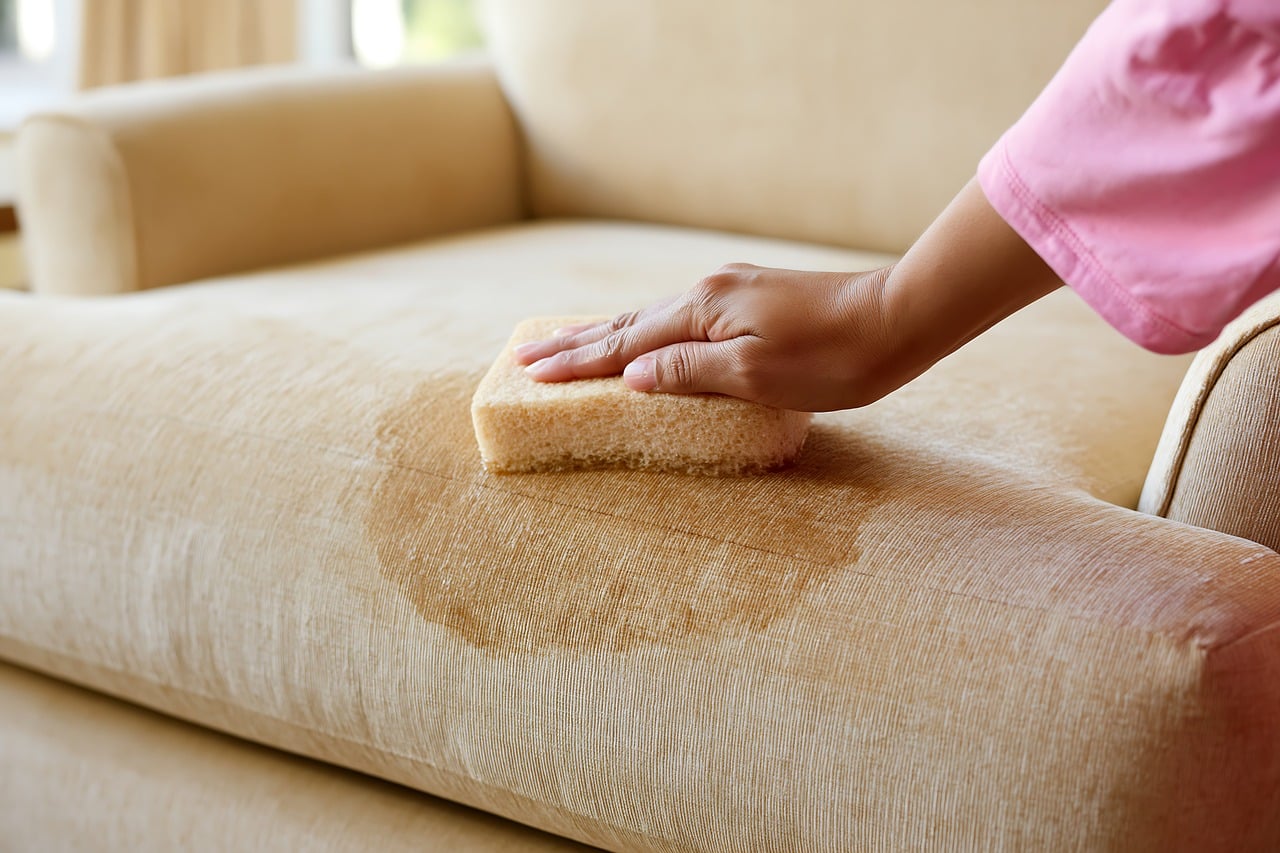
How to Remove Watermarks From Clothes Safely
Watermarks on clothes can appear after washing, drying, ironing, spilling water, or using a cleaning product. They may look like dark rings, pale patches, uneven areas, tide marks, or outlines left behind after moisture evaporates. In many cases, a watermark does not mean the fabric is permanently stained. It can simply mean that moisture, detergent, minerals, or dirt dried unevenly across the material.
The safest way to remove a watermark is to identify the fabric first and then use the mildest method that is appropriate for that material. Cotton, polyester, linen, wool, silk, rayon, viscose, denim, and delicate blended fabrics do not all respond the same way to water, heat, rubbing, or cleaning solutions. A method that works well on a cotton shirt could damage silk or leave a new mark on a dark garment.
This guide explains practical ways to remove watermarks from clothes, how to treat common fabrics, what causes water rings, when to use distilled water, why detergent can sometimes create additional marks, and which mistakes should be avoided. The goal is to restore an even appearance without unnecessarily weakening, shrinking, fading, or damaging the garment.
What Causes Watermarks on Clothes?
A watermark is usually an area of fabric that looks different after moisture has dried. The visible mark can be caused by several things, and understanding the cause helps you choose the right treatment.
Uneven drying
One of the most common causes is uneven drying. When part of a garment becomes wet while the surrounding fabric remains dry, the fibers can dry at different rates. Dirt, detergent, body oils, and minerals may migrate toward the edge of the wet area. After evaporation, that boundary can become visible.
Minerals in tap water
Hard water contains dissolved minerals such as calcium and magnesium. When water evaporates, some of these minerals can remain on fabric. This is more noticeable on dark clothing because even a small amount of residue can create a pale or cloudy appearance.
Detergent residue
Too much detergent, insufficient rinsing, or washing at a temperature that does not dissolve the detergent properly can leave residue behind. When the garment becomes wet again, the residue may move and dry into an uneven patch.
Spills and splashes
A small splash of water can sometimes produce a visible ring when it dries. The water itself may be clean, but it can redistribute particles already present in the fabric. A beverage, cleaning product, or dirty water can create a more complicated stain that requires a different treatment.
Heat and ironing
Excessive heat can change the appearance of some fabrics. An iron can also cause water spots if steam or moisture is applied unevenly. Synthetic materials may develop a shiny area if they are exposed to too much heat or pressure.
Before You Try to Remove the Watermark
Do not immediately scrub the mark with a strong cleaner. First check the garment's care label. Look for washing instructions, maximum temperature, ironing restrictions, dry-cleaning instructions, and warnings about bleaching or special treatment.
Next, inspect the fabric in good lighting. Determine whether the mark is actually a water ring or whether it contains another substance. If the area is sticky, oily, colored, or has a strong odor, the problem may be a food, drink, cosmetic, oil, detergent, or cleaning-product stain rather than a simple watermark.
Test any cleaning method on a hidden part of the garment first. The inside hem, seam allowance, or another inconspicuous area is usually suitable. Allow the test area to dry completely before judging the result because some fabrics look different while wet.
Use a clean, light-colored cloth when possible. A strongly colored towel can transfer dye to clothing, especially when moisture and friction are involved.
Method 1: Re-Wet the Entire Affected Area
For many ordinary watermarks on washable cotton and similar fabrics, one of the simplest solutions is to wet a larger area instead of treating only the visible ring.
The reason this can work is that a watermark is often created by uneven moisture movement. Re-wetting the whole panel of fabric allows moisture to spread more uniformly. When the garment dries evenly, the original boundary may disappear.
Step-by-step method
- Read the care label and confirm that the garment can safely be washed or dampened.
- Place the garment on a clean, flat surface or prepare it for a normal wash.
- Use cool or lukewarm water unless the care label specifies otherwise.
- Moisten the entire affected section rather than creating another small wet circle.
- Gently smooth the fabric so it lies naturally without folds.
- Allow the garment to dry evenly in a suitable location.
- Check the result only after the fabric is completely dry.
For a washable shirt or cotton garment, a normal wash followed by thorough rinsing may be even more effective if detergent or mineral residue is suspected.
Method 2: Wash the Garment Properly
If a watermark appeared after washing, the problem may be detergent or mineral residue rather than water alone. In that situation, rewashing the garment correctly can remove the residue.
Use the amount of detergent recommended for the load size and product. More detergent does not necessarily mean cleaner clothes. Excess detergent can be difficult to rinse away and may leave a dull or uneven coating.
Avoid overloading the washing machine. Clothes need enough room for water to circulate and rinse detergent away. An overloaded machine can contribute to poor rinsing and uneven cleaning.
Choose a cycle appropriate for the fabric. For dark or delicate garments, unnecessarily aggressive washing can create additional fading or surface wear.
When an extra rinse helps
An extra rinse can be useful when you suspect detergent residue. It is particularly helpful when a garment feels stiff, slightly coated, or unusually dull after washing. However, always follow the care label and machine instructions.
Method 3: Use Distilled Water for Mineral-Related Marks
Distilled water contains far fewer dissolved minerals than ordinary tap water. This can make it useful when hard-water residue is contributing to a watermark, especially on dark or delicate-looking fabrics that show pale mineral deposits.
For a washable garment, distilled water can be used for a gentle dampening or final rinse when appropriate. Do not assume that distilled water alone will remove every stain. If the mark contains oil, detergent, dye, or another substance, a different treatment may be necessary.
Simple approach
- Place a clean white towel underneath the affected area.
- Dampen a clean cloth with distilled water.
- Gently work from the outside of the visible mark toward the center or lightly dampen the entire affected section.
- Avoid aggressive rubbing.
- Blot excess moisture with a dry towel.
- Let the garment dry naturally and evenly.
This approach is most appropriate for fabrics that tolerate gentle dampening. Delicate materials such as silk or wool should be handled according to their care instructions.
Method 4: Steam Carefully
Steam can help relax certain fabrics and distribute moisture more evenly. It can be useful for garments that have developed uneven appearance after drying or light handling.
However, steam is not automatically safe for every fabric. Silk, some synthetics, coated materials, and garments with special finishes can be damaged by excessive heat. Always check the care label before steaming.
If steaming is permitted, keep the steamer moving instead of holding it in one place. Avoid pressing the hot steamer directly against a sensitive surface unless the manufacturer specifically allows contact. After steaming, let the garment cool and dry naturally.
Method 5: Treat Cotton Clothes
Cotton is generally one of the easier fabrics to treat because many cotton garments can tolerate normal washing and moderate moisture. Nevertheless, cotton can shrink, fade, or develop texture changes when exposed to excessive heat or aggressive chemicals.
For a simple water ring on a washable cotton shirt, start with a normal wash using the recommended detergent amount. If the mark is small and the garment is otherwise clean, evenly dampening the surrounding fabric and allowing it to dry may be enough.
For white cotton, stronger stain treatment may sometimes be appropriate, but do not automatically use chlorine bleach. Bleach can weaken fibers, alter dyes, and damage garments when used incorrectly. Follow the garment and product instructions carefully.
Cotton best practices
- Prefer normal washing before experimenting with strong cleaners.
- Avoid excessive detergent.
- Use the recommended water temperature.
- Do not scrub aggressively.
- Dry evenly according to the care label.
Method 6: Treat Polyester and Synthetic Fabrics
Polyester generally resists water and many everyday stains, but it can show rings and residue because its smooth surface makes uneven deposits visible. Polyester is also sensitive to excessive heat.
For a simple watermark, gentle washing is usually a good starting point. Use the recommended cycle and avoid excessive heat during drying or ironing.
If the garment is dark, avoid applying concentrated cleaning products directly to one small area without testing first. A strong spot treatment can create a lighter patch that becomes more noticeable than the original watermark.
When ironing polyester, use the temperature recommended by the care label. High heat can cause shiny areas or permanent surface changes.
Method 7: Treat Linen Carefully
Linen can develop visible water marks because its natural fibers have a distinctive texture and absorb moisture readily. Uneven drying may make certain sections appear darker or lighter.
For washable linen, evenly washing or dampening the affected area can help eliminate the boundary. Avoid aggressive rubbing because rough handling can disturb the fabric's surface.
Linen often benefits from being shaped while damp. Smooth the garment gently and allow it to dry according to its care instructions. If ironing is permitted, use the recommended heat and consider ironing while the fabric is slightly damp rather than applying excessive dry heat.
Method 8: Treat Denim
Denim is durable, but its color can change when exposed to moisture, detergent, friction, and repeated washing. A watermark on jeans may be a genuine water ring, but it can also be an area where the fabric's dye has shifted or faded.
If the garment is washable, washing the entire pair according to the manufacturer's instructions is usually safer than repeatedly spot-cleaning one small area. Spot treatment can create a new difference in color.
Turn dark denim inside out before washing when the care label permits. Avoid unnecessary high temperatures and excessive agitation. Allow the jeans to dry according to the manufacturer's recommendations.
Method 9: Treat Wool
Wool requires much more caution than ordinary cotton. Excessive agitation, heat, and sudden temperature changes can cause wool fibers to shrink, felt, or lose their shape.
If the care label says dry clean only, do not experiment with household water treatments. Take the garment to a professional cleaner and explain that the visible mark appears to be a water ring.
For washable wool, use the prescribed wool cycle or hand-washing method. Avoid rubbing the watermark aggressively. Press excess water out gently rather than twisting the garment.
Never assume that a stronger chemical will produce a better result. Wool fibers can be permanently affected by inappropriate cleaning products.
Method 10: Treat Silk
Silk is especially sensitive to water spotting, friction, heat, and some cleaning chemicals. A small wet area can sometimes produce a visible difference because the fabric's appearance changes as it dries.
Check the care label before doing anything. If professional cleaning is recommended, use a qualified cleaner rather than experimenting with household solutions.
If the garment is specifically labeled washable, follow the manufacturer's washing instructions exactly. Avoid vigorous rubbing and do not wring silk. Blot gently and dry it in the manner recommended by the care label.
Do not use chlorine bleach on silk. Avoid strong household cleaners unless they are explicitly designed and approved for the fabric.
Method 11: Treat Rayon and Viscose
Rayon and viscose can be more vulnerable to changes caused by water, friction, and drying. Some garments may become distorted or develop differences in texture when wet.
Always follow the care label. If the garment requires dry cleaning, professional cleaning is the safest option. If washing is permitted, use the prescribed method and handle the fabric gently.
Do not aggressively rub a watermark. Instead, focus on even moisture and careful drying when the garment's instructions allow it.
Method 12: Treat Dark Clothes
Dark clothing can make watermarks particularly obvious. A pale ring may be caused by mineral deposits, detergent residue, or uneven drying.
Start with the least aggressive method. For washable garments, a full wash with the correct amount of detergent and a thorough rinse is often safer than repeatedly wetting only the marked section.
If hard water is suspected, consider whether the washing process is leaving mineral residue. A suitable laundry water-softening approach may help in areas with hard water, but follow the product instructions carefully.
Never assume that vinegar, baking soda, bleach, or another household ingredient is universally safe for dark clothing. Some treatments can alter dyes or finishes.
Why Watermarks Sometimes Get Worse After Spot Cleaning
Spot cleaning can create a larger ring when the cleaner wets only a small circle. As the moisture moves through the fabric, dissolved material can travel toward the drying boundary. Once dry, the new boundary may be more visible than the original mark.
This is why treating the entire washable section can sometimes be more effective than repeatedly cleaning only the center. The objective is to prevent a sharp moisture boundary.
Another problem is excessive rubbing. Friction can change the direction of fibers, flatten a nap, create shine, or cause color loss. A garment can then appear damaged even if the original stain has been removed.
How to Remove Detergent Marks That Look Like Watermarks
Detergent marks can resemble water rings, especially on dark fabrics. If the fabric feels stiff or has a powdery, cloudy, or slightly sticky area, detergent residue may be involved.
For a washable garment, start with a rinse or normal wash using the correct amount of detergent. An additional rinse can help remove remaining residue.
Avoid adding more detergent in an attempt to clean the existing detergent mark. More product can increase the problem.
If the residue is caused by a specific laundry product, review the product's recommended dosage and whether it is suitable for the garment and washing method.
Can Vinegar Remove Watermarks From Clothes?
Vinegar is frequently recommended as a household cleaning solution, but it should not be treated as a universal fabric cleaner. Its acidity may interact differently with dyes, finishes, elastics, and delicate materials.
If you are considering vinegar for laundry, first check the garment's care instructions and the manufacturer's guidance for the laundry product. Do not mix vinegar with chlorine bleach or other incompatible chemicals.
For a valuable, delicate, or dry-clean-only garment, professional cleaning is safer than experimenting with household acids.
Can Baking Soda Remove Watermarks?
Baking soda can help with some odors and certain household cleaning tasks, but it is not automatically the best solution for a fabric watermark. It can leave residue if not rinsed properly, and rubbing a powder into a delicate textile can damage the surface.
Use fabric-specific cleaning instructions rather than assuming a popular household remedy is safe for every material.
Can Ironing Remove a Watermark?
Ironing can sometimes improve the appearance of a damp fabric by smoothing fibers, but heat does not necessarily remove the substance that caused a watermark. In some cases, heat can make a mark permanent or create a new shiny area.
Never use high heat simply because the mark is difficult to remove. Check the care label and use the lowest suitable temperature. A pressing cloth may be useful for fabrics that permit ironing.
How to Prevent Watermarks on Clothes
Preventing uneven moisture and residue is usually easier than repairing the mark later.
Use the correct detergent amount
Follow the detergent manufacturer's dosing instructions and adjust for the load size when appropriate. Avoid assuming that extra detergent produces cleaner clothes.
Do not overload the washer
Give garments enough space to move through the wash and rinse cycles. Overloading can reduce cleaning and rinsing performance.
Use the correct drying method
Dry garments according to their care labels. Avoid unnecessarily high heat, especially with synthetics and delicate materials.
Deal with spills quickly
Blot fresh spills rather than rubbing them aggressively. Rubbing can push material deeper into the fibers and spread the affected area.
Use clean tools
When spot-cleaning clothing, use a clean cloth or sponge. Dirty cleaning tools can transfer additional material to the garment.
Watermark Removal Mistakes to Avoid
One of the biggest mistakes is applying a strong chemical before identifying the fabric. Clothing fibers and dyes vary considerably, and a product that works on one garment can damage another.
Another mistake is scrubbing too hard. Mechanical friction can roughen fibers and create a visible patch even when the original mark was mild.
Using very hot water without checking the care label is another common error. Heat can shrink natural fibers, set some stains, affect dyes, or damage synthetic materials.
Do not mix cleaning chemicals casually. In particular, never combine chlorine bleach with acids such as vinegar because dangerous gases can be produced.
Finally, do not judge a treatment while the garment is still wet. Many textiles look darker or different when wet. Let the garment dry completely before deciding whether the watermark remains.
When You Should Use a Professional Cleaner
Professional cleaning is a sensible choice when the garment is expensive, delicate, vintage, heavily structured, labeled dry-clean-only, or made from a material you are unsure how to treat.
Professional cleaning is also appropriate when the mark may contain an unknown chemical, oil, dye, or cleaning product. Tell the cleaner what caused the mark if you know. Information about the substance can help determine the appropriate treatment.
If a garment has already been damaged by heat, bleach, dye loss, or fiber distortion, cleaning may not restore the original appearance. In that situation, the issue may be permanent fabric damage rather than a removable watermark.
How to Tell Whether a Watermark Is Permanent
A simple watermark caused by uneven drying often becomes less visible after appropriate washing or even re-wetting. If the mark remains exactly the same after a proper cleaning process, the cause may be different.
Permanent color loss can appear as a lighter patch. Heat damage can create a shiny or flattened section. Fabric abrasion can change texture. Bleach exposure can remove dye. None of these problems should be treated as an ordinary water ring.
Compare the affected area with the surrounding fabric in natural light. Feel the fabric gently to see whether its texture has changed. If the color or texture itself has been altered, additional cleaning may not solve the problem.
A Simple Fabric-by-Fabric Watermark Strategy
For cotton, start with normal washing or gentle, even dampening. For polyester, prioritize gentle washing and avoid excessive heat. For linen, use even moisture and careful drying. For denim, consider washing the whole garment rather than repeatedly treating a small area. For wool, silk, rayon, viscose, and other delicate materials, follow the care label closely and consider professional cleaning.
This approach is safer than using one universal recipe because different textiles have different physical and chemical properties. The safest cleaning method is always the least aggressive method that is reasonably likely to solve the problem.
Step-by-Step Quick Method for a Washable Garment
- Read the care label.
- Identify whether the mark is actually a water ring.
- Test your chosen method on an inconspicuous area.
- For simple watermarks, try a normal wash or evenly dampen the affected section.
- Use the correct amount of detergent.
- Rinse thoroughly when the garment allows it.
- Do not rub aggressively.
- Dry the garment evenly according to its care instructions.
- Wait until it is completely dry before evaluating the result.
- If the mark remains or the fabric is delicate, stop experimenting and consider professional cleaning.
Frequently Asked Questions About Watermarks on Clothes
Watermarks can be frustrating because they sometimes appear even when clothing has been washed correctly. The answers below cover some of the most common situations.
1. Can watermarks be removed from clothes?
Yes, many watermarks can be removed, especially when they are caused by uneven drying, detergent residue, or minerals left by water. A proper wash, thorough rinse, or carefully controlled re-wetting may restore an even appearance. However, a mark caused by dye loss, heat damage, bleach, or permanent fiber changes may not be removable.
2. Why do clothes get water rings after washing?
Water rings can result from uneven drying, detergent residue, minerals in hard water, or dirt moving through the fabric as moisture evaporates. Overloading the washing machine or using too much detergent can also contribute to residue that becomes visible after drying.
3. How do I remove a water stain from a cotton shirt?
Check the care label first. For a washable cotton shirt, a normal wash with the correct amount of detergent and thorough rinsing is often a good starting point. If the mark is caused by uneven moisture, evenly dampening the affected section can also help prevent a new drying boundary.
4. Can I use vinegar to remove watermarks from clothing?
Vinegar is sometimes used in household laundry, but it is not a universal solution for every fabric. It can interact differently with dyes and finishes. Check the garment instructions and product guidance before using it, and never mix vinegar with chlorine bleach.
5. How do I remove watermarks from black clothes?
Start with the least aggressive approach. If the garment is washable, try a proper wash with an appropriate amount of detergent and a thorough rinse. Mineral deposits or detergent residue can be especially visible on black fabric, so avoid excessive spot treatment and high heat.
6. Can watermarks be removed from polyester?
Many simple watermarks on polyester can be reduced by washing the garment according to its care label. Avoid excessive heat because polyester can develop shiny or permanently altered areas when overheated. Test any spot treatment before applying it broadly.
7. How can I remove a watermark from silk?
Silk should be treated cautiously because water, friction, heat, and chemicals can change its appearance. Check the care label first. If professional cleaning is recommended, use a qualified cleaner instead of experimenting with household treatments.
8. Why does a watermark come back after cleaning?
A watermark can return if the original cause remains, such as mineral deposits, detergent residue, or uneven drying. It can also reappear if only a small circle is wetted and the new moisture creates another drying boundary. A full appropriate wash may be more effective for washable garments.
9. Can ironing remove watermarks?
Ironing is not a reliable watermark-removal method. Heat may smooth fabric temporarily, but excessive heat can create permanent shine, shrinkage, or surface damage. If ironing is permitted, follow the care label and use an appropriate temperature.
10. When should I take clothes to a professional cleaner?
Use a professional cleaner when the garment is delicate, valuable, vintage, structured, labeled dry-clean-only, or made from a material that may be damaged by water. Professional cleaning is also sensible when you cannot identify the substance causing the mark or when previous cleaning attempts have changed the fabric.
Conclusion
Removing watermarks from clothes is usually a matter of restoring even moisture and removing whatever residue caused the visible boundary. The safest method depends on the fabric, the garment's care instructions, and the actual cause of the mark. Cotton and other washable fabrics can often be treated with a proper wash, thorough rinsing, or controlled re-wetting. Polyester requires attention to heat, while linen benefits from even moisture and careful handling. Wool, silk, rayon, viscose, and other delicate materials require considerably more caution.
Start with the mildest suitable method, test it on an inconspicuous area, avoid excessive rubbing and heat, and allow the garment to dry completely before judging the result. If the mark is actually caused by dye loss, heat damage, bleach, abrasion, or permanent fiber changes, additional cleaning may not restore the original appearance. When in doubt, especially with an expensive or delicate garment, professional cleaning is the safer choice.