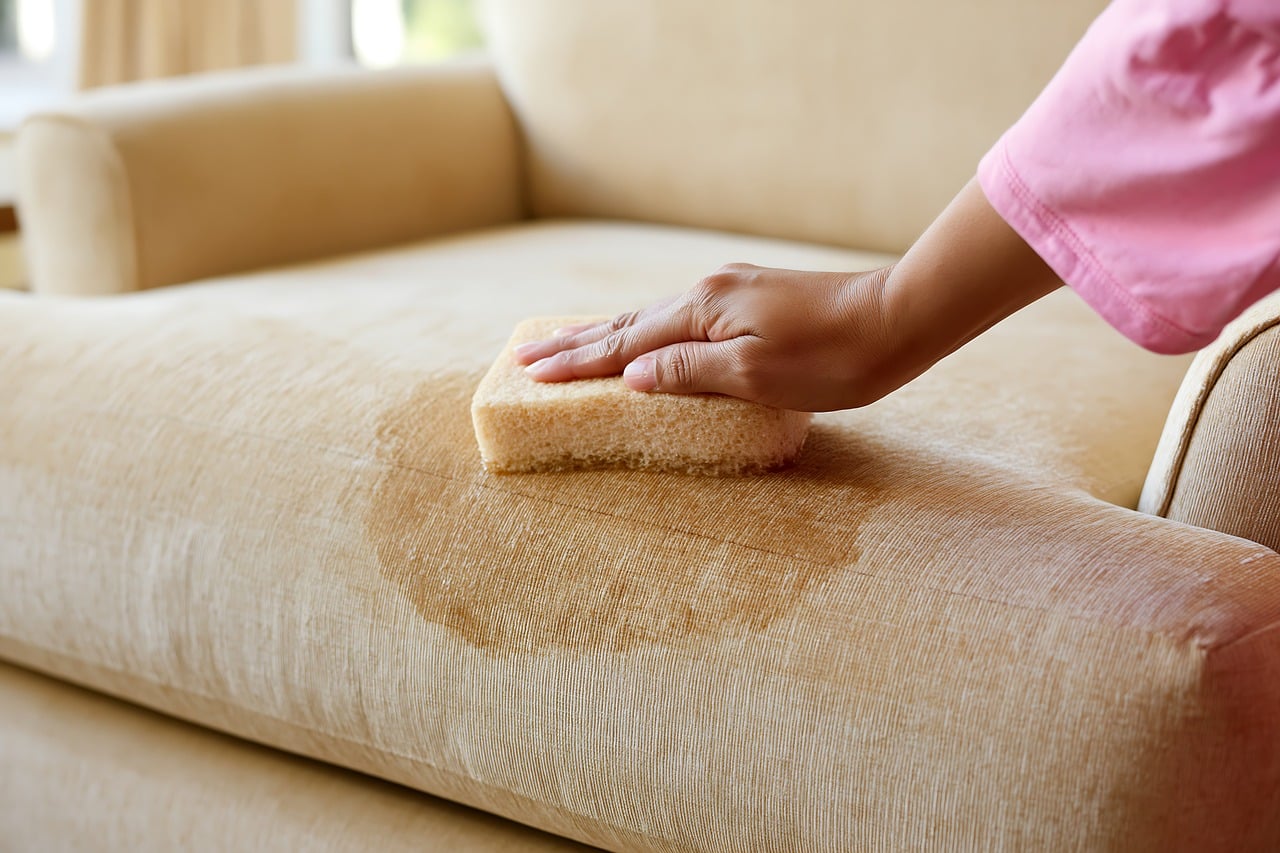
How to Remove Stains From Clothes
Stains are one of the most common problems people face when caring for clothes. A splash of coffee, a drop of cooking oil, a grass mark, ink, makeup, sauce, sweat, or mud can quickly turn a clean garment into something that looks difficult to save. The good news is that many household stains can be treated successfully when you use the right method and act at the right time.
The most important rule is to avoid treating every stain in exactly the same way. Different stains have different chemical properties. Grease responds differently from water-based drinks, protein stains behave differently from ink, and delicate fabrics require different treatment from durable cotton. Using the wrong product or applying too much heat can sometimes make a stain harder to remove.
This guide explains practical ways to remove common stains from clothes, including coffee, tea, oil, grease, blood, sweat, ink, grass, mud, chocolate, tomato sauce, makeup, wine, food, and deodorant marks. It also explains how to identify a stain, what to do immediately after a spill, how to choose cleaning products, and how to avoid damaging your clothes.
What to Do Immediately After a Spill
The sooner you respond to a fresh stain, the better your chances of removing it completely. When something spills on clothing, gently remove excess material before it spreads deeper into the fabric.
Use a clean cloth, paper towel, or dull edge to lift excess liquid or solid material. Do not aggressively rub the stain because rubbing can push the substance farther into the fibers and spread it over a larger area.
For many liquid stains, gently blotting is better than scrubbing. Work from the outside toward the center when appropriate to reduce the chance of creating a larger ring around the original stain.
Check the Clothing Care Label First
Before applying a stain remover, read the garment's care label. The label can indicate whether the item can be machine washed, hand washed, dry cleaned, bleached, or exposed to particular temperatures.
Some fabrics are much more sensitive than others. Cotton and many synthetic fabrics can tolerate common household washing methods, while wool, silk, leather, suede, and other delicate materials may require specialized care.
If the label says dry clean only, avoid experimenting with strong household chemicals unless the product and fabric are specifically compatible. For expensive or delicate clothing, professional cleaning may be the safest option.
Test Cleaning Products Before Treating the Whole Stain
Before using a new cleaning product, test a small amount on an inconspicuous area of the garment. This helps identify potential color fading, discoloration, or fabric damage before it becomes visible on the main area.
Allow the test area to dry before judging the result because some changes are more noticeable after drying. Follow the product label and never assume that a cleaner designed for one fabric is safe for every material.
How to Remove Coffee Stains From Clothes
Coffee stains are common because coffee contains pigments and other compounds that can quickly become visible on light-colored fabrics. If the spill is fresh, blot as much liquid as possible with a clean cloth.
Rinse the stained area with cool or lukewarm water according to the fabric's care instructions. Apply a small amount of liquid laundry detergent or an appropriate stain treatment and gently work it into the fabric.
Let the treatment sit for the period recommended by the product instructions, then wash the garment according to its care label. Inspect the stain before placing the garment in a dryer. If the mark remains, repeat the treatment rather than immediately applying high heat.
How to Remove Tea Stains
Tea can leave noticeable brown or yellowish marks, especially on white and light-colored clothing. Blot a fresh spill and rinse the area as soon as practical.
Apply liquid laundry detergent or a fabric-safe stain remover. Gently work the product through the affected fibers and wash according to the garment instructions.
Do not assume that one wash will remove every tea stain. Older stains may need repeated treatment. Avoid drying the garment with high heat until you are satisfied that the stain has disappeared.
How to Remove Oil and Grease Stains
Oil and grease require a different approach because water alone does not dissolve them effectively. First, remove excess oil by gently blotting the area. If there is a thick layer of grease, carefully lift it away without spreading it.
Apply a small amount of grease-cutting liquid dishwashing detergent or a laundry product designed for oily stains, provided it is appropriate for the fabric. Gently work the detergent into the stain and allow it to sit briefly according to the product instructions.
Wash the garment using the hottest temperature permitted by the care label. Before drying, check the affected area under good lighting. Heat from a dryer can make some remaining oily marks much harder to remove.
How to Remove Butter and Cooking Oil Stains
Butter, cooking oil, salad dressing, and similar foods can leave greasy patches. Remove any solid material first with a spoon or dull edge. Avoid spreading the oil across a larger section of the garment.
Apply an appropriate grease-cutting detergent to the affected area. Work gently from the outside toward the center if the stain is small. Allow the detergent to act before washing.
Repeat the treatment if necessary. Do not use a dryer until the stain is gone because residual oil can become more difficult to remove after heating.
How to Remove Blood Stains
Blood is a protein-based stain, and fresh blood should generally be treated with cool water rather than hot water. Heat can cause protein-based stains to set more strongly in fabric.
Rinse the affected area with cool water as soon as possible. Apply a suitable laundry detergent or stain treatment and gently work it into the fabric.
Wash according to the garment care instructions. For an older stain, repeated treatment may be necessary. Always check the fabric label before using stronger products.
When dealing with blood on clothing, use normal hygiene precautions. If the blood is not your own or the circumstances involve a potentially infectious exposure, appropriate protective and cleaning procedures should be followed.
How to Remove Sweat Stains
Sweat marks commonly appear around collars, underarms, and other areas that experience prolonged contact with perspiration. These stains can become yellowish or develop an odor when they accumulate over time.
Pre-treat the affected area with liquid laundry detergent or a suitable stain remover. Gently work the product into the fabric and allow it to sit according to the instructions.
Wash the garment using the recommended cycle. Avoid excessive heat if the fabric or remaining stain could be affected by it.
Preventing buildup is often easier than removing old stains. Washing clothing soon after heavy sweating and following the care label can help keep fabric fresher.
How to Remove Deodorant Stains
Deodorant and antiperspirant products can leave white marks on dark clothing or contribute to buildup around underarms. Fresh residue may sometimes be removed by gently brushing or wiping the area before washing.
For persistent buildup, use a fabric-safe laundry pretreatment. Follow the product directions and wash according to the garment label.
Avoid aggressively scrubbing delicate fabrics because repeated friction can damage fibers even when the stain itself is eventually removed.
How to Remove Ink Stains
Ink stains can be challenging because different inks have different compositions. The first step is to prevent the stain from spreading. Place an absorbent cloth beneath the stained area if appropriate so that loosened ink does not transfer to another part of the garment.
Use a stain treatment specifically recommended for the fabric and type of ink. Some ink-removal methods involve alcohol-based products, but these can affect dyes and synthetic materials, so testing an inconspicuous area is important.
Blot rather than aggressively rubbing. Continue with laundering only after the treatment instructions have been followed. For expensive garments or large ink stains, professional cleaning may be preferable.
How to Remove Grass Stains
Grass stains are common on children's clothes, sportswear, and outdoor clothing. Brush off loose dirt and grass once the garment is dry enough to handle without spreading the material.
Apply liquid laundry detergent or a suitable stain remover to the green area. Gently work the product into the fibers and allow it to sit as directed.
Wash according to the care label and inspect the stain before drying. Persistent grass stains may need another treatment.
How to Remove Mud Stains
Mud is often easier to remove when allowed to dry first. Trying to scrub wet mud can spread it deeper into fabric.
Once the mud has dried, gently brush away loose material. Apply a laundry detergent or appropriate stain treatment to the remaining mark and wash according to the garment instructions.
Check the garment before drying. If discoloration remains, repeat the cleaning process.
How to Remove Chocolate Stains
Remove excess chocolate carefully using a dull edge. Avoid rubbing because melted chocolate can spread.
Rinse or pre-treat the stain according to the fabric instructions. A liquid laundry detergent can help break down remaining food residue. Wash normally and inspect the area before using a dryer.
How to Remove Tomato Sauce Stains
Tomato sauce can combine pigments, oils, and food particles, making it more complicated than a simple water-based stain. Remove excess sauce first and blot the remaining liquid.
Rinse from the back of the fabric when appropriate to help push the stain outward rather than deeper into the fibers. Apply laundry detergent or a suitable stain remover and wash according to the care label.
Do not dry the garment until you have checked the stain. Repeat treatment if necessary.
How to Remove Ketchup Stains
Ketchup stains should be treated quickly. Scrape away excess ketchup with a spoon or dull edge, then rinse the area with cool water.
Apply liquid laundry detergent and gently work it into the fabric. Wash using the appropriate cycle and inspect the garment before drying.
How to Remove Red Wine Stains
Blot a fresh red wine spill immediately with a clean absorbent cloth. Do not aggressively rub the fabric.
Follow the garment care instructions and use a fabric-safe stain treatment suitable for the material. Some popular household remedies can discolor fabrics or damage dyes, so avoid using an aggressive chemical without checking compatibility first.
For expensive, delicate, or dry-clean-only clothing, professional treatment may be the safest choice.
How to Remove Fruit Juice Stains
Fruit juices can contain strong natural pigments and sugars. Blot the liquid immediately and rinse the stained area according to the garment's care instructions.
Apply liquid detergent or an appropriate stain remover before washing. Inspect the fabric after washing and repeat treatment if necessary.
How to Remove Makeup From Clothes
Foundation, concealer, lipstick, and other cosmetics can contain oils, pigments, and waxes. Remove excess makeup carefully without spreading it.
For washable fabrics, apply a small amount of suitable liquid laundry detergent or a product designed for cosmetic stains. Gently work it into the affected area and follow with normal laundering.
Different cosmetics behave differently, so a stain remover designed for greasy or pigment-based stains may be more appropriate for persistent marks.
How to Remove Lipstick Stains
Lipstick can be particularly difficult because it often contains waxes, oils, and pigments. Carefully remove excess product first.
Apply a suitable detergent or stain treatment after testing it on an inconspicuous area. Gently blot or work the product into the stain, then wash according to the fabric instructions.
Check the result before drying. If pigment remains, repeat the treatment.
How to Remove Foundation Stains
Foundation can leave oily or colored marks around collars and other areas that contact the face. Remove excess product and apply liquid detergent to the stained area.
Let the treatment work according to its instructions before laundering. Avoid high heat until the stain has disappeared.
How to Remove Perfume Stains
Perfume itself may not always leave a traditional stain, but some fragrances can contain oils or ingredients that alter fabric appearance. Blot liquid quickly and wash according to the garment label.
If discoloration remains, use a mild fabric-safe stain treatment rather than applying a strong chemical without testing.
How to Remove Rust Stains From Clothes
Rust stains require special care because ordinary chlorine bleach can sometimes make iron-based rust stains worse. Avoid applying chlorine bleach unless a professional or product manufacturer specifically confirms it is appropriate.
Use a rust-removal product designed for fabrics if the care label permits it. Follow the manufacturer's directions carefully and rinse thoroughly.
For delicate or expensive clothing, professional cleaning is safer than experimenting with household acids or strong chemicals.
How to Remove Grass and Outdoor Dirt From White Clothes
White clothing can make outdoor stains highly visible. Pre-treat the affected areas before washing and use a detergent suitable for whites and the fabric.
Do not automatically use the strongest available bleach. Some fabrics can be damaged by chlorine bleach, and colored trims or synthetic fibers may react differently.
How to Remove Stains From Colored Clothes
Colored clothing requires extra caution because aggressive stain removers can cause fading. Always check the care label and test the treatment first.
A mild detergent and repeated treatment may be safer than one aggressive application. Avoid assuming that a product safe for white cotton is equally safe for a brightly dyed garment.
How to Remove Stains From White Clothes
White clothes provide more options for stain treatment, but they can still be damaged by excessive chemicals or heat. Follow the garment's care instructions.
Oxygen-based laundry products may be appropriate for some washable white fabrics, but always follow the product directions. Chlorine bleach should only be used when the garment label and product instructions indicate that it is suitable.
How to Remove Stains From Delicate Fabrics
Silk, wool, lace, cashmere, and other delicate fabrics should be treated cautiously. Avoid aggressive rubbing, strong solvents, and excessive heat.
If the garment is expensive, vintage, sentimental, or marked dry-clean-only, professional cleaning is often the safest option. Tell the cleaner what caused the stain if you know.
How to Remove Stains From Cotton
Cotton is relatively durable and can tolerate many normal laundry methods, but the care label still matters. Pre-treat stains with an appropriate detergent and wash at the recommended temperature.
Fresh stains are usually easier to treat than old ones. Avoid drying the garment until you know the stain has been removed.
How to Remove Stains From Polyester
Polyester and other synthetic fabrics can behave differently from natural fibers. Use a detergent or stain remover compatible with synthetic clothing and avoid excessive heat unless the label permits it.
Because synthetic fibers can retain oily substances, grease and cosmetic stains may need careful pre-treatment.
How to Remove Stains From Wool
Wool requires gentle handling. Avoid aggressive scrubbing, high heat, and unsuitable chemicals. Follow the garment label closely.
For significant stains on valuable wool clothing, professional cleaning is usually safer than experimenting with household remedies.
Should You Use Hot or Cold Water?
The correct water temperature depends on the stain and fabric. Protein-based stains such as blood are commonly treated initially with cool water, while some greasy stains may benefit from warmer washing when the care label permits it.
Do not assume that hot water is always better. Excessive heat can set certain stains, shrink fabrics, damage dyes, or cause other problems. Always follow the garment and detergent instructions.
Why You Should Not Put a Stained Garment in the Dryer
A dryer exposes clothing to heat, which can make some remaining stains more difficult to remove. Before drying, inspect the garment carefully under good lighting.
If a stain remains, repeat the appropriate pre-treatment and washing process. Air-drying temporarily can give you more opportunity to inspect the result before applying additional heat.
Why Rubbing Can Make a Stain Worse
Rubbing may push a stain deeper into the fabric or spread it across a larger area. It can also damage delicate fibers and create a visible worn patch.
Blotting, lifting, rinsing, and gentle treatment are usually better starting points. The appropriate technique depends on the stain and fabric.
How to Remove an Old Stain
Old stains are generally more difficult because the substance may have dried and bonded with the fibers. Start by identifying the stain if possible and choosing a compatible treatment.
Apply the product according to its instructions and allow sufficient contact time. Repeated gentle treatments are often preferable to one extremely aggressive treatment.
Be patient and inspect the fabric between attempts. If the garment is valuable or delicate, consider professional cleaning.
Can Baking Soda Remove Clothes Stains?
Baking soda is commonly used in household cleaning, but it is not a universal stain remover. It may help with some odors and certain types of residue, but its effectiveness depends on the stain and fabric.
Do not assume that a homemade mixture is safe simply because the ingredients are common household products. Test any treatment on an inconspicuous area first.
Can Vinegar Remove Clothes Stains?
White vinegar is sometimes used in laundry for odors or mineral-related issues, but it is not appropriate for every stain or fabric. It should not be mixed with chlorine bleach because dangerous chlorine gas can be produced.
Use vinegar only when it is compatible with the garment and the intended cleaning process. Never combine household cleaning chemicals unless the product manufacturer specifically confirms that the combination is safe.
Can Dish Soap Remove Grease From Clothes?
A small amount of liquid dishwashing detergent can help break down some fresh grease stains, provided it is compatible with the garment. Apply it carefully and rinse or wash thoroughly according to the fabric instructions.
Do not assume every dish soap is safe for every textile. Test first, especially on delicate or dark fabrics.
How to Prevent Clothes From Getting Stained
Prevention is easier than repeated stain removal. Use napkins or protective clothing while cooking, avoid placing valuable garments in situations where spills are likely, and change out of work or outdoor clothing before doing activities that could cause difficult stains.
Wash heavily soiled clothing promptly rather than allowing stains to remain for long periods. Proper storage can also prevent garments from developing avoidable discoloration or odors.
Keep a Basic Stain-Removal Kit
A simple laundry kit can contain liquid laundry detergent, a fabric-safe stain remover, clean white cloths, a soft brush for appropriate durable fabrics, and a container or basin for hand treatment.
Store cleaning products safely and keep them away from children and pets. Follow every product label and avoid mixing chemicals.
Never Mix Cleaning Chemicals Carelessly
One of the most important laundry safety rules is never to mix household cleaning chemicals unless the manufacturer specifically states that the combination is safe. In particular, never mix chlorine bleach with ammonia or acidic products because dangerous gases can be produced.
Use one product at a time, rinse when appropriate, and follow the label. More chemicals do not necessarily mean better cleaning.
How to Treat Stains Before Washing
Pre-treatment means applying a suitable cleaning product to the stain before the normal wash cycle. This gives the detergent or stain remover an opportunity to loosen the substance before the machine washes the garment.
Follow the product's recommended contact time. Leaving a product on fabric much longer than instructed does not necessarily improve results and could cause discoloration or damage.
How to Treat Stains After Washing
If a stain remains after washing, do not automatically dry the garment. Identify whether the stain is still visible and repeat an appropriate treatment.
If the garment has already been dried, the stain may be more difficult, but it may still be possible to improve it through repeated treatment. Use a cautious approach and avoid increasingly aggressive chemicals without checking fabric compatibility.
When Professional Cleaning Is Better
Professional cleaning can be the best option for expensive clothing, delicate fabrics, large stains, unknown stains, vintage garments, structured suits, wedding clothing, and items marked dry-clean-only.
Tell the cleaner what caused the stain and approximately how long it has been present. This information can help them select an appropriate treatment.
Common Stain-Removal Mistakes
One common mistake is scrubbing too hard. Another is using hot water on a stain that responds poorly to heat. A third is putting the garment in a dryer before checking whether the stain has disappeared.
Another mistake is applying several cleaning chemicals together. This can damage fabric and create dangerous fumes. A careful, label-based approach is safer and usually more effective.
How to Know Whether a Stain Is Completely Gone
Inspect the garment in natural or bright neutral lighting. Some stains become difficult to see when the fabric is wet but become visible again after drying.
Look at the garment from different angles and check both sides when practical. If you can still see a shadow, discoloration, oily patch, or odor associated with the stain, treat it again before using high heat.
Best General Stain-Removal Process
A practical general process is simple: identify the stain, check the fabric label, remove excess material, blot rather than aggressively rub, test the cleaning product, pre-treat the affected area, wash according to instructions, and inspect before drying.
This approach works because it combines stain identification with fabric safety. It also prevents one of the most common problems in laundry: making a stain permanent through inappropriate heat or chemicals.
Conclusion
Removing stains from clothes is much easier when you treat the stain according to its type and the fabric according to its care requirements. Fresh stains should generally be addressed quickly, while old stains may require repeated treatment. Coffee, tea, food, grease, grass, mud, makeup, sweat, and many other common household stains can often be improved with appropriate detergent and careful washing.
The most important habits are simple: act quickly, avoid unnecessary rubbing, read the care label, test unfamiliar products, use the correct water temperature, and inspect clothing before putting it in the dryer. For delicate, expensive, or dry-clean-only garments, professional cleaning is often the safest option.
With a small collection of suitable laundry products and a consistent stain-removal routine, you can protect your clothes, reduce unnecessary replacement costs, and keep everyday garments looking cleaner for longer.