How to Get Rid of Ants Naturally
Finding ants walking across a kitchen counter, bathroom floor, window ledge, or pantry can be frustrating. A few ants may quickly turn into a steady trail when the insects discover a reliable source of food or water. The good news is that you can often reduce an ant problem by combining simple cleaning habits, food storage, moisture control, and physical barriers. Natural approaches can be useful for preventing ants from entering your home and for reducing the conditions that attract them.
The most important point is that getting rid of ants is not only about killing the ants you can see. Ant colonies can contain many workers, and the visible trail may represent only a small part of the problem. If food, water, or shelter remains available, new ants may continue appearing. Effective home ant control therefore focuses on removing attractants, cleaning trails, sealing entry points, and addressing conditions around the property.
This guide explains how to get rid of ants naturally, how to stop ant trails, which household habits help prevent ants, how to make your kitchen less attractive to them, and when a persistent infestation may require professional pest control. It also explains why some popular home remedies are unreliable and how to use household ingredients cautiously.
Why Ants Enter Your Home
Ants generally enter buildings because they find something useful. Food is one of the most common reasons, but water and shelter can also attract them. Crumbs, spilled drinks, sugary foods, pet food, grease, overflowing garbage, and food residue can all provide opportunities for foraging ants.
Moisture can be equally important. Leaking faucets, damp areas under sinks, condensation, plumbing leaks, and consistently wet soil around a building can make an area more attractive to some ants.
Ants may also enter through very small openings around windows, doors, pipes, cables, cracks, and foundations. Once a successful route has been discovered, workers can repeatedly use it while searching for resources.
Understanding Ant Trails
The line of ants moving across a floor or counter is not random. Ants can communicate the location of food and other resources using chemical signals. Once a productive route is established, additional workers may follow it.
This is why simply wiping away visible ants may not solve the underlying problem. Cleaning the surface can remove the trail temporarily, but if the food source remains available, ants may establish another route.
When you find an ant trail, follow it carefully if practical. Determine where the ants are coming from and where they are going. This can help you identify an entry point, food source, moisture problem, or sheltered area that needs attention.
First Step: Remove Food Sources
The most effective natural ant-control strategy is often surprisingly simple: make the home less rewarding for ants. Clean food spills immediately and do not leave crumbs or sticky residue on counters.
Wipe kitchen surfaces regularly, including areas underneath small appliances. Clean around the toaster, microwave, stove, refrigerator, and food-preparation areas. Pay attention to corners where crumbs can accumulate.
Do not leave uncovered food on counters overnight. Store sweets, fruit, bread, snacks, and other attractive foods in sealed containers where appropriate.
Keep Food in Sealed Containers
Ants can exploit very small food sources. A partially open sugar packet, sticky bottle, fruit bowl, or uncovered snack can become attractive to foraging insects.
Use containers with secure lids for sugar, flour, cereal, biscuits, pet food, and other foods that may attract ants. Check the outside of containers for sticky residue as well.
Sealed storage is especially important in warm environments where insects may remain active for long periods. It also helps protect food from other household pests.
Clean Sugar and Sweet Spills Immediately
Sweet liquids are particularly attractive to many common household ants. A small amount of spilled juice, soft drink, syrup, honey, or sweetened tea can leave enough residue to attract workers.
When a spill occurs, wipe it thoroughly rather than simply removing the visible liquid. Follow with a clean damp cloth if appropriate for the surface, then dry the area.
Check under bottles and containers regularly. Sticky residue underneath a jar can remain unnoticed while continuing to attract ants.
Keep the Kitchen Dry
Ant control should include moisture management. Check under sinks for leaks, dripping faucets, damp cabinet bottoms, and condensation around plumbing.
Dry wet countertops after cleaning. Do not leave standing water in dishes or containers overnight when it can reasonably be avoided.
If you discover a plumbing leak, repairing the source is more effective than repeatedly cleaning the surrounding area. Persistent moisture can attract insects and may also contribute to mold and structural problems.
Clean Pet Food Areas
Pet food can attract ants because it may contain proteins, fats, carbohydrates, and other food components. Avoid leaving food exposed longer than necessary if ants are becoming a problem.
Clean crumbs around feeding bowls and wipe the surrounding floor. Store unused pet food in an appropriate sealed container.
If outdoor pet feeding is necessary, monitor the area closely and clean spilled food promptly.
Take Out the Garbage Regularly
Household garbage can contain food residue that attracts ants. Use a bin with a secure lid and empty it regularly, particularly if it contains sweet, greasy, or protein-rich food waste.
Clean the inside and outside of the garbage container periodically. A leaking garbage bag can leave residue on the floor that remains attractive to insects even after the bag has been removed.
Keep recycling containers reasonably clean as well. Beverage containers and food packaging can contain small amounts of residue.
Clean Ant Trails Naturally
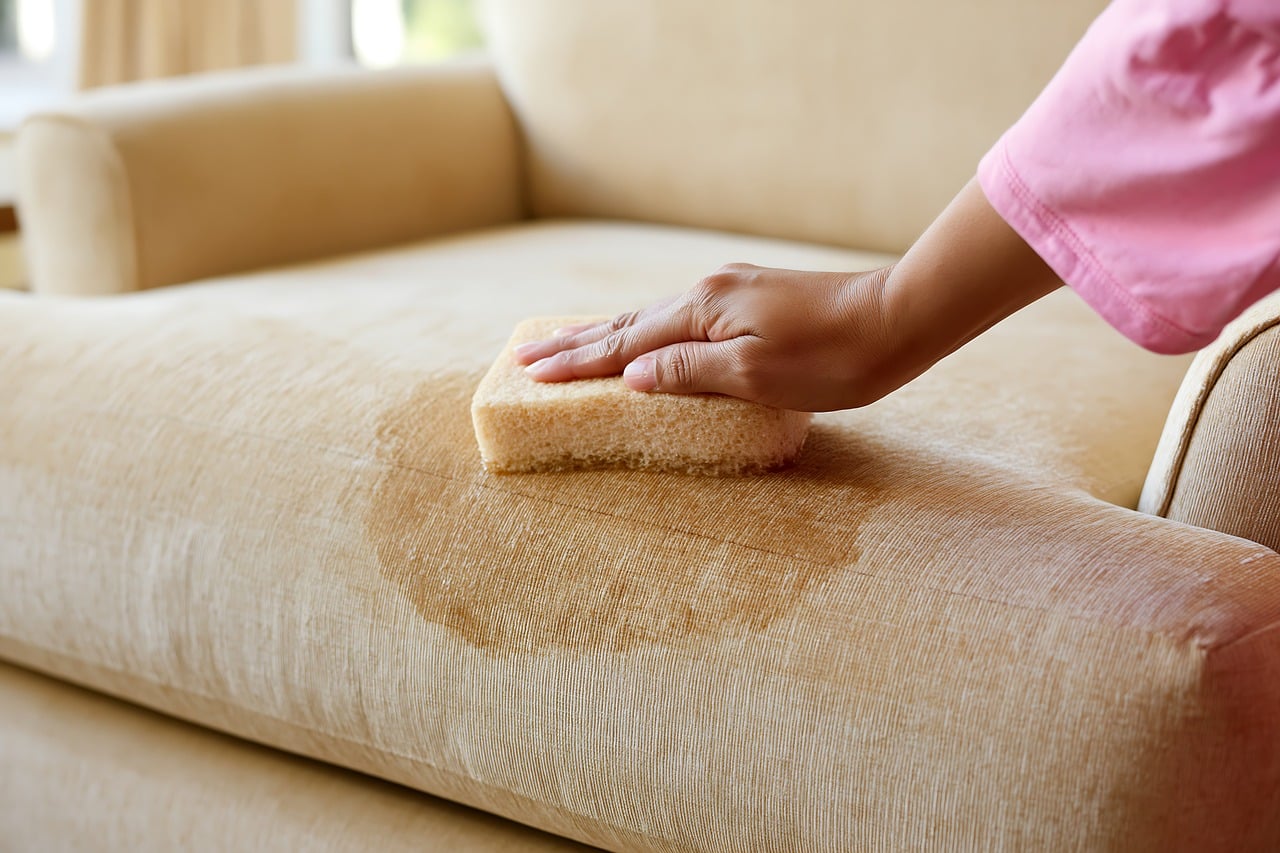
If ants are repeatedly following a particular path, cleaning the surface can help remove food residue and disrupt the chemical trail. Use an appropriate household cleaner for the surface and then wipe it clean.
A simple solution of water and mild soap can be useful for many washable household surfaces. The goal is to physically remove the residue rather than relying on a strong chemical smell.
Clean the entire trail rather than only wiping the individual ants. Pay particular attention to the areas where the trail enters and leaves the room.
Use Vinegar Carefully Around Ant Trails
White vinegar diluted with water is commonly suggested as a natural household cleaning method for ant trails. Its strong smell may temporarily interfere with the trail, while the cleaning action can remove food residue.
However, vinegar should be treated primarily as a cleaning aid rather than a guaranteed ant killer. It does not eliminate every colony, and ants may eventually establish another route.
Before using vinegar, check that the surface can tolerate it. Some natural stone, delicate finishes, metals, wood surfaces, and specialty materials can be affected by acidic cleaners.
How to Use Soap and Water
Mild soap and water can be one of the simplest methods for dealing with visible ants. The mixture can help clean surfaces and remove residues that contribute to continued activity.
Use the solution on suitable washable surfaces, then wipe the area clean. Avoid leaving excessive moisture around electrical equipment, untreated wood, or other materials that should remain dry.
The main advantage of this approach is that it combines immediate cleanup with removal of food residue. It is not a complete solution when a colony is established inside a wall or inaccessible area.
Can Cinnamon Get Rid of Ants?
Cinnamon is frequently mentioned as a natural ant deterrent because ants may avoid strong aromatic substances. Placing cinnamon near entry points may sometimes discourage ants from crossing a particular area.
However, cinnamon should not be considered a reliable method for eliminating an established colony. At best, it may help create a temporary barrier or make a route less attractive.
If you use cinnamon, keep it away from areas where it could create a mess or be inhaled by people or animals. Natural does not automatically mean harmless in every situation.
Can Peppermint Oil Repel Ants?
Peppermint oil is another popular natural ant-repellent idea. Strong scents may interfere with an insect's normal behavior, and some people use diluted essential oils around potential entry points.
Essential oils should always be used cautiously. Concentrated oils can irritate skin, eyes, and airways, and some oils can be harmful to pets. Never assume that an essential oil is safe simply because it is plant-derived.
If you choose to use a scented oil, follow the product's dilution and safety instructions and keep it away from children, pets, food-contact surfaces, and sensitive materials as appropriate.
Can Lemon Help Keep Ants Away?
Lemon and other citrus-based household cleaning approaches are sometimes used around ant-prone areas. The cleaning action can remove food residue, while the citrus smell may make an area temporarily less attractive.
As with vinegar and other scent-based methods, lemon should not be viewed as a guaranteed colony-control solution. The more important step is eliminating food and water sources and sealing entry points.
Use acidic citrus products carefully on surfaces that may be sensitive to acids.
Use Physical Barriers
One of the most reliable nonchemical approaches is to physically prevent ants from entering. Inspect the exterior and interior of the home for cracks and openings.
Check around windows, door frames, pipes, electrical penetrations, vents, and foundation joints. Small gaps can sometimes be sealed with an appropriate caulk or sealant.
Weather stripping around doors and windows can also reduce openings. In addition to helping with pests, sealing gaps can improve energy efficiency and reduce drafts.
Seal Cracks Around Windows
Window frames can contain small gaps that ants use as entry routes. Inspect both the inside and outside of accessible window areas.
If you find a crack or gap, use a suitable sealant for the material and location. Clean and dry the surface before sealing it so that the repair adheres properly.
Do not block necessary drainage or ventilation openings. If you are uncertain whether an opening serves an important building function, seek appropriate advice before sealing it.
Check Doors and Thresholds
Exterior doors are common entry points because they connect the home directly with outdoor soil, plants, walkways, and other areas where ants may travel.
Inspect the bottom of the door and the threshold. Replace damaged weather stripping and repair obvious gaps where appropriate.
Keep the area immediately around exterior doors reasonably clean. Food scraps, fallen fruit, pet food, and standing water can encourage insect activity near entrances.
Trim Plants Away From the House
Plants touching walls, windows, or roof structures can provide pathways for insects. Keep branches and vegetation appropriately trimmed away from the building where practical.
Also inspect plants for aphids and other insects that produce honeydew. Some ants are attracted to these sugary secretions, so plant-related insect activity can contribute to ant activity around a home.
Garden maintenance therefore becomes part of long-term ant prevention.
Remove Standing Water Outside
Look around the property for containers, clogged drainage areas, leaking outdoor faucets, and other locations where water accumulates. Although different ant species have different moisture preferences, reducing unnecessary standing water can improve general pest management.
Keep gutters and drainage systems functioning properly. Fix outdoor leaks and avoid allowing irrigation water to repeatedly soak the foundation area.
Good drainage also protects the building from moisture-related damage.
Keep Outdoor Food Sources Controlled
Ants may be attracted to fallen fruit, food waste, open garbage, sweet drinks, and pet food outside the house. Remove fallen fruit from areas close to the building and keep outdoor garbage containers properly closed.
Clean patios and outdoor eating areas after meals. Even tiny food residues can attract insects.
If ants repeatedly enter from one outdoor location, inspect that area rather than focusing only on the indoor trail.
Why Killing Visible Ants May Not Be Enough
Seeing and killing individual ants can provide immediate satisfaction, but it may not address the colony. Worker ants are often searching for food or other resources. Removing a few workers does not necessarily remove the source of the activity.
Long-term control depends on understanding why the ants are present. Remove resources, disrupt trails, seal access points, and address outdoor conditions.
If ants continue appearing despite these measures, identifying the species and colony location may become important.
How to Find Where Ants Are Coming From
Observe the ants instead of immediately wiping them away. Follow the trail carefully. Look along baseboards, behind appliances, under cabinets, around windows, and near plumbing.
Outdoor trails may lead toward soil, plants, cracks, tree structures, or other sheltered areas. Indoor trails may disappear into wall gaps, flooring joints, cabinets, or utility openings.
Do not dismantle walls or flooring simply to locate a colony. If the source appears inaccessible and activity is persistent, professional inspection may be appropriate.
Different Ants Can Behave Differently
Not every household ant problem is the same. Different ant species prefer different foods, nesting locations, moisture conditions, and environments.
Some ants are strongly attracted to sweets, while others may be more interested in proteins or fats. Some nest outdoors and enter buildings to forage, while others can establish nests inside structures.
This is one reason why a home remedy that appears successful for one household may produce disappointing results elsewhere.
How to Keep Ants Out of the Kitchen
The kitchen deserves special attention because it contains many of the resources ants seek. Wipe counters after food preparation and clean crumbs from floors.
Keep sugar, honey, syrups, cereals, snacks, and other attractive foods in sealed containers. Clean under appliances and inspect areas around the refrigerator and stove.
Check sink plumbing for leaks. Keep garbage contained and clean food residue from recycling containers.
A clean kitchen does not guarantee that ants will never appear, but it removes many of the conditions that make the room attractive.
How to Keep Ants Out of the Bathroom
Bathrooms can attract insects because of moisture. Check under sinks, around toilets, near bathtubs, and around plumbing penetrations for leaks or persistent dampness.
Keep surfaces reasonably dry and repair plumbing problems promptly. Clean hair and residue from drains and surrounding areas.
Seal suitable cracks around windows, pipes, and wall openings without blocking required ventilation or drainage.
How to Keep Ants Out of Bedrooms
Bedrooms may attract ants when food is consumed there. Avoid leaving snacks, sweet drinks, wrappers, or crumbs around beds and furniture.
Vacuum or sweep regularly, particularly around furniture and along baseboards. Inspect windows and doors for entry points.
If ants appear in a bedroom without an obvious food source, follow their trail to determine whether they are coming from a wall opening, window, or another part of the building.
How to Keep Ants Out of Cabinets
Inspect cabinets for spilled food, sticky residue, dampness, and gaps around plumbing. Remove expired or damaged food and wipe shelves thoroughly.
Store foods in sealed containers rather than relying solely on cardboard boxes or thin packaging.
Pay particular attention to corners and areas around pipes. If ants repeatedly emerge from a cabinet wall, the colony or entry route may be hidden behind the structure.
Natural Ant Prevention for Apartments
Apartment residents may have less control over exterior landscaping and building-wide cracks, but they can still reduce food and moisture sources inside the unit.
Keep food sealed, clean spills promptly, manage garbage, repair accessible leaks, and report persistent pest problems to building management when necessary.
If ants appear to travel between multiple apartments or through shared walls, treating only one room may not solve the underlying issue.
Natural Ant Prevention for Houses
Homeowners can combine indoor sanitation with exterior maintenance. Inspect the foundation, doors, windows, utility openings, landscaping, drainage, and outdoor food sources.
Keep vegetation appropriately managed and eliminate unnecessary moisture around the structure. Seal suitable cracks and maintain door and window seals.
Regular inspection is easier than dealing with a large infestation later.
How to Prevent Ants After Cleaning
Once an ant trail has been removed, prevention becomes important. Do not leave the original food source available. Otherwise, ants may simply establish another route.
Clean the surrounding area, inspect the entry point, and seal suitable gaps. Continue monitoring the location for several days.
If activity decreases and does not return, your preventive measures may be working. If the trail returns repeatedly, investigate further.
Common Natural Ant-Control Mistakes
A common mistake is relying on one ingredient as a complete solution. Cinnamon, vinegar, lemon, peppermint, and other household remedies may have limited usefulness, but none should be treated as a universal replacement for sanitation, exclusion, and appropriate pest management.
Another mistake is cleaning visible ants without cleaning the surface or removing the attractant. This can leave the conditions that caused the problem unchanged.
People also sometimes seal an entry point while another opening remains nearby. Ants may simply redirect their route.
Why Ants Keep Coming Back
Recurring ants usually mean that at least one of the underlying conditions remains. There may be an accessible food source, moisture, shelter, or an unsealed entry point.
Seasonal weather can also influence insect activity. Changes in temperature, rainfall, and outdoor food availability may cause ants to move or forage differently.
Instead of repeatedly treating the visible trail, look for the reason the ants find the location valuable.
How to Deal With Ants Around Food
If ants are found around food, remove the food from the area and clean the surface thoroughly. Do not return uncovered food to the same location until the area has been cleaned.
Inspect nearby packaging. If ants have entered an opened package, transfer suitable food into a clean sealed container. Discard contaminated or questionable food rather than trying to save it.
Wash reusable containers and clean the surrounding shelves.
How to Deal With Ants Near a Sink
Ants around a sink may be attracted by moisture, food residue, or both. Clean the basin and surrounding counter and dry the area.
Inspect plumbing connections beneath the sink for leaks. Check the cabinet base for dampness or water damage.
If there is a persistent leak, repair it. Cleaning ants without addressing a moisture problem is unlikely to provide lasting results.
How to Deal With Ants Near Windows
Windows provide potential entry routes and may also collect condensation. Clean the area and inspect the frame for cracks and gaps.
Check whether vegetation outside touches the window or building. Trim it appropriately if necessary.
Seal suitable gaps with an appropriate product after making sure that the opening is not required for drainage or ventilation.
How to Deal With Ants Near Doors
Inspect the threshold and weather stripping. Clean food and dirt from the area around the entrance.
Outside, check for cracks in nearby paving, plants touching the building, food waste, and moisture sources.
Improving the door seal and reducing attractive conditions near the entrance can help reduce repeated indoor entry.
Should You Use Essential Oils Around Pets?
Essential oils require caution around pets. Some concentrated oils can be harmful to animals, particularly when applied directly to their skin, inhaled at high concentrations, or ingested.
If pets live in the home, do not assume that a natural ant remedy is automatically safe. Keep concentrated oils and homemade mixtures inaccessible to animals and follow reliable safety guidance for the specific product.
For households with pets, physical exclusion and sanitation are often simpler and safer first-line measures.
Natural Does Not Always Mean Safe
The word natural can create a false sense of security. Household ingredients can still irritate skin, eyes, lungs, or digestive systems, and some substances can damage surfaces.
Use gloves and ventilation when appropriate, keep cleaning mixtures away from children and pets, and never mix household chemicals unless the manufacturer specifically indicates that doing so is safe.
Store ingredients and cleaning products in clearly labeled containers. Never transfer hazardous substances into food or drink containers.
When Natural Methods Are Enough
Natural prevention may be enough when the ant activity is limited and clearly connected to a removable food source or a small entry point. Cleaning, sealing, food storage, and moisture control can make a substantial difference in these situations.
For example, if a few ants appear because a sugary drink was spilled and an open window provides an entry route, cleaning the spill and sealing the relevant gap may solve the issue.
Monitor the area afterward to confirm that the problem does not continue.
When to Consider Professional Pest Control
Professional pest control may be appropriate when ants continue appearing despite consistent sanitation and exclusion, when large numbers are present, or when the colony appears to be inside the building.
Professional assistance is also useful when the ant species is difficult to identify or when the insects are associated with structural damage or inaccessible nesting areas.
If you are concerned about children, pets, food contamination, or repeated infestations, a qualified pest professional can recommend a targeted approach.
How to Monitor an Ant Problem
Monitoring helps you determine whether your prevention efforts are working. Record where ants appear, what time of day activity is strongest, and where the trail seems to originate.
After cleaning and sealing an area, continue checking it. A reduction in activity over several days is encouraging, while repeated trails may indicate an unresolved source.
Monitoring also prevents you from unnecessarily applying repeated treatments when the problem has already been resolved.
A Simple Daily Ant-Prevention Routine
At the end of each day, wipe kitchen counters, clean obvious crumbs, store food securely, and deal with spills. Check pet feeding areas and make sure garbage is contained.
In damp areas, wipe away unnecessary standing water. Inspect commonly affected locations periodically rather than waiting until a large trail develops.
This routine takes only a few minutes but can make the home considerably less attractive to foraging ants.
A Weekly Home Ant-Prevention Checklist
Once a week, inspect kitchen cabinets, pantry shelves, sink plumbing, windows, exterior doors, garbage areas, and other places where ants have previously appeared.
Clean hidden food residue under appliances and check outdoor areas near the foundation. Look for cracks, damaged weather stripping, leaking faucets, and vegetation touching the building.
Regular inspection allows small problems to be corrected before they become persistent pest issues.
What Not to Do When You Find Ants
Do not panic and immediately spray strong chemicals everywhere. First determine what is attracting the ants and where they are coming from.
Do not contaminate food preparation areas with unapproved substances. Do not mix cleaning products in an attempt to create a stronger ant treatment.
Do not ignore recurring activity. A persistent trail deserves investigation, especially if it repeatedly appears in the same structural area.
How to Keep Ants Out Long Term
Long-term ant prevention is based on several simple principles: remove food, control moisture, reduce shelter, seal entry points, maintain outdoor areas, and monitor recurring locations.
No single household ingredient can replace these basic measures. The strongest natural strategy is usually a combination of good housekeeping and physical exclusion.
Once the home becomes less rewarding and harder to enter, ants have fewer reasons to establish repeated indoor trails.
Final Takeaway
Learning how to get rid of ants naturally starts with understanding why they are entering your home. Food, water, shelter, and accessible entry points are usually more important than any single home remedy.
Clean spills promptly, store food in sealed containers, remove crumbs, manage garbage, control moisture, clean ant trails, inspect windows and doors, and seal suitable cracks. Outdoor maintenance also matters because ants may be traveling from gardens, plants, soil, garbage areas, or other nearby sources.
Household approaches such as diluted vinegar, cinnamon, citrus, or carefully used scents may sometimes help discourage ants, but they should not be treated as guaranteed colony eliminators. Use any household substance responsibly, especially around children, pets, food, and sensitive surfaces.
If ants continue returning despite good sanitation and exclusion, or if you suspect a colony is established inside the structure, professional pest control may be the most practical solution. The goal is not simply to kill the ants you can see but to remove the conditions that allow the problem to continue.
With consistent cleaning, smart food storage, moisture control, exterior maintenance, and careful sealing of entry points, many households can significantly reduce ant activity and make their homes much less attractive to unwanted insects.