How to Remove Bad Smells From Your Home
Bad smells inside a home can appear suddenly or gradually. A kitchen may smell strongly after cooking, a bathroom may develop a musty odor, clothes can hold sweat smells, and hidden moisture can create an unpleasant smell that seems impossible to locate. Air fresheners may temporarily cover the problem, but the most effective solution is usually to identify and remove the source.
Home odors commonly come from food residue, garbage, drains, damp materials, mold or mildew, pets, dirty fabrics, stagnant air, smoke, shoes, refrigerators, washing machines, and poorly ventilated areas. Some odors are harmless and simply require better cleaning, while persistent smells can sometimes indicate a moisture problem, plumbing issue, spoiled food, or another condition that needs attention.
This guide explains how to remove bad smells from your home by identifying common causes, cleaning the source, improving ventilation, controlling moisture, washing odor-absorbing materials, and preventing the smell from returning. The methods are designed for everyday household situations and focus on practical cleaning rather than simply masking odors.
Why Does Your Home Smell Bad?
Odors are produced when airborne molecules reach your nose. In a home, those molecules can come from decomposing food, bacteria, moisture, smoke, chemicals, pets, dirty fabrics, sewage gases, or other sources. Porous materials can absorb these molecules and release them gradually, which is why a room can continue smelling even after the original source has been removed.
The first step is therefore not choosing a stronger air freshener. It is finding the source. Walk through the affected area and consider what changed recently. Did you cook something strongly scented? Did water leak? Did garbage remain indoors? Did a pet have an accident? Did the refrigerator stop cooling properly? Did the room stay closed for several days?
Start by Finding the Source of the Odor
When a smell is strong, begin with the simplest possible inspection. Check trash bins, food storage areas, sinks, drains, refrigerators, laundry baskets, shoes, carpets, upholstery, pet areas, bathrooms, and damp corners. Look underneath furniture and inside cabinets where moisture or food particles may be hidden.
If the odor is strongest near one particular location, investigate that area before cleaning the entire room. Removing the source is usually more effective than applying fragrance throughout the house.
Open Windows and Improve Airflow
Fresh outdoor air can quickly reduce the concentration of many household odors. Open windows and doors when weather and outdoor conditions allow. Create cross-ventilation by opening openings on opposite sides of the home if possible.
Use exhaust fans in kitchens and bathrooms to move humid and odor-filled air outside. Ventilation is especially important after cooking, showering, cleaning, or using products that produce strong fumes.
However, ventilation should not be used as a substitute for fixing a persistent source. If a room smells because of dampness, sewage, spoiled food, or another underlying problem, fresh air may only provide temporary relief.
Remove Garbage Regularly
Household garbage is one of the most common sources of unpleasant smells. Food scraps, packaging, leftovers, and other organic materials can begin decomposing and producing strong odors, especially in warm environments.
Empty kitchen trash regularly and clean the inside of the bin if liquid or food residue has leaked. Wash the container with an appropriate household cleaner and allow it to dry completely before inserting a new liner.
Do not forget the area underneath the garbage bag. Small leaks can remain unnoticed and continue producing odor even after the bag has been removed.
Clean the Kitchen Sink
Food particles can become trapped around the drain, strainer, garbage disposal, or pipe opening. These residues may produce an unpleasant smell over time.
Remove visible food debris and clean the sink basin, drain cover, and surrounding surfaces. Follow the manufacturer's instructions if your sink has a disposal unit. Avoid mixing cleaning chemicals because certain combinations can create dangerous fumes.
If the odor repeatedly returns from the drain despite cleaning, the problem may involve buildup deeper in the plumbing. In that situation, consider professional plumbing advice rather than repeatedly pouring harsh chemicals into the drain.
How to Remove Bad Smells From Drains
Drain odors can come from trapped food particles, organic buildup, stagnant water, or plumbing problems. Start by cleaning the drain opening and removing visible debris.
Run appropriate amounts of clean water through the drain. If the drain has a removable strainer, clean it thoroughly. A drain that is rarely used may also develop odor because the water barrier in the plumbing trap can evaporate. Running water through an infrequently used drain can help restore the water barrier.
If you notice a persistent sewage-like smell, slow drainage, repeated backups, or several drains producing the same odor, the issue may require a plumber. Do not assume every drain smell can be solved with household deodorizing methods.
Clean the Refrigerator
A refrigerator can develop powerful odors from spoiled food, spilled liquids, open containers, or food stored beyond its useful life. Check every shelf and drawer and discard food that is clearly spoiled or unsafe.
Remove removable shelves and drawers when possible and clean them according to the appliance manufacturer's recommendations. Wipe the interior walls, door seals, handles, and corners where spills can collect.
Keep strongly scented foods in sealed containers. Regular refrigerator cleaning prevents small spills from becoming long-lasting odors.
Remove Bad Smells From the Microwave
Microwaves can retain smells after cooking foods with strong aromas. Food particles may also stick to the interior surfaces.
Clean the turntable and interior surfaces using a suitable appliance-safe cleaning method. A short period of gentle steam from heated water can help loosen food residue, but use caution when handling hot containers and follow the appliance manufacturer's instructions.
Dry the interior after cleaning and leave the door open briefly when appropriate so residual moisture can escape.
Clean Your Oven
Burned food, grease, and spills can create strong smells whenever the oven heats up. Inspect the oven floor, racks, and other areas where food residue may have accumulated.
Use an oven-cleaning method suitable for your specific appliance. Some ovens have special cleaning cycles, while others require manual cleaning. Always follow the manufacturer's instructions and provide adequate ventilation.
Never combine different cleaning chemicals in an attempt to create a stronger cleaner. Chemical reactions can produce hazardous gases.
Remove Cooking Smells From the House
Frying, grilling, spices, onions, garlic, and other foods can leave odors in the kitchen and nearby rooms. The best strategy is to control the odor while cooking rather than trying to eliminate it afterward.
Use a range hood or exhaust fan if available. Open a window when appropriate and keep interior doors closed if you want to prevent strong smells from spreading to bedrooms or other living areas.
After cooking, clean greasy surfaces because oil can trap odor molecules. Wash pans, wipe countertops, clean the stovetop, and remove food waste promptly.
Wash Odor-Absorbing Kitchen Fabrics
Curtains, dish towels, oven mitts, rugs, and other textiles can absorb cooking smells. If the kitchen smells clean immediately after washing the surfaces but the odor returns later, inspect the fabrics.
Wash machine-safe fabrics according to their care labels. Dry them completely before putting them away. Damp fabric can develop its own musty odor and may make a clean kitchen smell unpleasant again.
Clean the Bathroom Regularly
Bathrooms are especially vulnerable to unpleasant odors because they combine moisture, plumbing, toiletries, towels, and limited airflow. Clean the toilet, sink, shower, floor, and frequently touched surfaces regularly.
Pay attention to areas that remain wet for long periods. Bath mats, towels, shower curtains, and corners around fixtures can retain moisture and develop odors.
Use the bathroom exhaust fan during and after showers when possible. Allowing humid air to escape helps keep surfaces drier and can reduce conditions that encourage mildew.
How to Remove a Musty Smell
A musty smell is often associated with moisture and insufficient ventilation. It may come from damp walls, carpets, furniture, closets, fabrics, or other materials.
Find the moisture source first. Check for leaks, condensation, wet clothing, damp carpets, plumbing problems, or water intrusion. Dry affected areas thoroughly and improve ventilation.
If the musty smell persists or you see extensive mold growth, do not simply cover it with fragrance. Persistent moisture and significant mold problems may require professional assessment and remediation.
Prevent Mold and Mildew Odors
Mold and mildew thrive in damp conditions. Reducing moisture is therefore a central part of odor control. Repair leaks promptly, improve airflow, use ventilation fans, and dry wet materials quickly.
Do not ignore recurring condensation on walls, ceilings, or windows. Repeated moisture can indicate inadequate ventilation or another building-related issue.
Small areas of surface mold may sometimes be handled using appropriate household cleaning procedures, but extensive growth, hidden growth, or growth associated with major water damage should be evaluated by qualified professionals.
Wash Towels Properly
Towels can develop a sour or musty smell when they remain damp for too long. Hang towels so that they can dry completely between uses. Avoid leaving wet towels in piles on the floor.
Wash towels according to their care instructions and use an appropriate amount of detergent. Overloading the washing machine can prevent fabrics from being thoroughly cleaned and rinsed.
Make sure towels dry completely after washing. A towel that remains damp in a laundry basket can develop an unpleasant odor even if it was freshly washed.
Clean Your Washing Machine
Washing machines themselves can become a source of odor. Moisture, detergent residue, fabric softener buildup, and trapped debris can accumulate inside the drum, detergent drawer, door seal, or filter.
Use the cleaning cycle recommended by the manufacturer. Clean accessible seals and dispensers and leave the door or lid open between washes when appropriate to allow the interior to dry.
Front-loading machines can be especially sensitive to moisture around the door gasket. Regularly inspect and clean the gasket according to the manufacturer's instructions.
Remove Smells From Clothes
Clothing can retain sweat, smoke, cooking, and environmental odors. Wash garments according to their care labels and allow them to dry completely.
Do not leave sweaty clothes in a closed laundry basket for extended periods. If clothing cannot be washed immediately, allowing it to air out and dry before placing it in the hamper can reduce the development of strong odors.
Persistent odor in a particular garment may indicate that residues have accumulated in the fibers. Follow the garment manufacturer's cleaning instructions rather than repeatedly applying strong chemicals.
Clean Carpets and Rugs
Carpets and rugs can trap dust, food particles, pet dander, moisture, and odors. Vacuum regularly and pay attention to areas underneath furniture and along edges.
If a carpet becomes wet, dry it promptly. Moisture trapped beneath the surface can create a persistent musty odor and may contribute to mold growth.
For significant spills or deeply embedded odors, professional carpet cleaning may be more effective than repeated surface deodorizing.
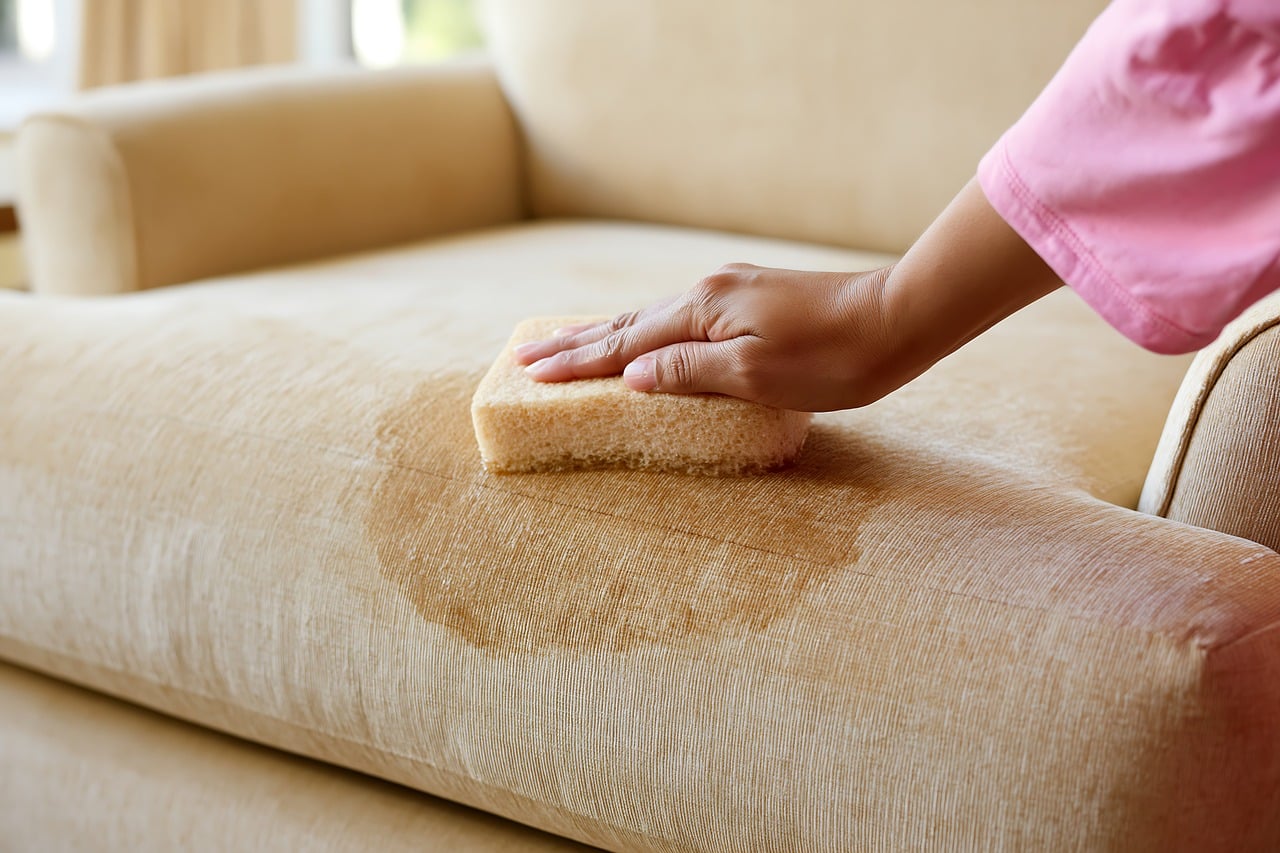
Remove Odors From Sofas and Upholstery
Upholstered furniture can absorb smoke, food aromas, sweat, pet odors, and other smells. Check the manufacturer's cleaning label before applying any liquid or cleaning product.
Vacuum cushions, seams, and crevices. If removable covers are washable, follow the care instructions. Avoid soaking upholstery unless the material and manufacturer specifically permit it.
Allow cleaned upholstery to dry completely. Trapped moisture can create a new odor problem.
Clean Pet Areas
Pets can contribute to household odors through bedding, litter boxes, food bowls, accidents, and general dander. Clean pet areas frequently and wash bedding according to the manufacturer's instructions.
Clean accidents as soon as possible because urine and other biological residues can penetrate porous materials. If a pet repeatedly soils the same location, ordinary surface cleaning may not remove the odor completely.
Persistent pet odors in carpets or upholstery may require specialized enzymatic cleaning products or professional treatment suitable for the affected material.
Keep Pet Bedding Fresh
Pet beds can accumulate hair, oils, dirt, and odor-producing residues. Vacuum removable surfaces regularly and wash bedding according to the care label.
Make sure the bedding is completely dry before returning it to the pet. A damp pet bed can develop a musty smell quickly.
Clean Shoes and Shoe Storage
Shoes can produce strong odors because sweat and moisture accumulate inside them. Allow shoes to dry between uses and avoid storing damp footwear in closed cabinets.
Rotate footwear when possible so each pair has time to dry. Wash or clean removable insoles according to their care instructions and replace them if they have become permanently contaminated with odor.
Keep the shoe storage area ventilated. If the cabinet itself smells, remove all footwear and clean and dry the shelves before returning the shoes.
Remove Smoke Smells
Smoke odor can be difficult to remove because smoke particles can settle into walls, curtains, carpets, furniture, and other porous surfaces. Ventilation can help reduce airborne odor, but it may not eliminate residue that has already accumulated.
Wash washable fabrics and clean hard surfaces using suitable methods. Replace heavily contaminated items when cleaning cannot restore them.
If a home has extensive smoke contamination, professional cleaning may be necessary. Do not rely on fragrance products to conceal significant smoke residue.
Do Air Fresheners Actually Remove Bad Smells?
Most air fresheners primarily add fragrance or alter the perception of odors. They can make a room smell more pleasant temporarily, but they do not necessarily remove the underlying source.
For lasting results, use air fresheners only as a finishing step after cleaning and ventilation. If the source remains, the unpleasant smell will usually return once the fragrance fades.
Use Baking Soda Carefully
Baking soda is commonly used in households to help manage odors, particularly in refrigerators, bins, and some dry surfaces. It can be useful as part of a broader cleaning routine.
However, baking soda is not a universal solution. It will not fix a plumbing leak, remove hidden moisture, or solve significant mold growth. Use it appropriately and clean the underlying source whenever possible.
Use Activated Charcoal for Odor Control
Activated charcoal products are designed to adsorb certain odor molecules and can be useful in enclosed spaces such as cabinets, closets, or refrigerators when used according to the product instructions.
They should be considered an odor-control aid rather than a replacement for cleaning. If the smell comes from spoiled food, dampness, sewage, or another continuing source, the source needs to be addressed.
Be Careful With Vinegar and Cleaning Chemicals
Household vinegar is sometimes used for cleaning and odor control, but it should never be mixed with chlorine bleach or other incompatible cleaning chemicals. Dangerous gases can result from certain chemical combinations.
Read product labels and follow manufacturer instructions. More cleaning product does not necessarily mean better cleaning. Use the recommended concentration and provide adequate ventilation.
Never Mix Bleach With Other Cleaners
Bleach should never be mixed with ammonia, acids, vinegar, or other household chemicals unless the product instructions explicitly state that a combination is safe. Mixing incompatible chemicals can release hazardous fumes.
If you accidentally mix cleaning products and develop coughing, breathing difficulty, eye irritation, dizziness, or other concerning symptoms, leave the area and seek appropriate emergency or poison-control guidance for your location.
Clean Air Conditioner Filters
Air conditioners and air purifiers can contribute to indoor odors when filters become dirty or damp. Check the manufacturer's instructions for cleaning or replacing filters.
Do not operate equipment with damaged filters or use cleaning methods that are not approved for the appliance. Proper maintenance can improve airflow and reduce the circulation of accumulated dust and odors.
Check Air Vents
Dust and debris can accumulate around air vents and grilles. Clean accessible surfaces according to the system manufacturer's recommendations.
If an odor appears specifically when heating, cooling, or ventilation equipment operates, investigate the source rather than simply spraying fragrance near the vent. Mechanical or duct-related problems may require professional inspection.
Keep Closets Fresh
Closets can smell stale because they often have limited airflow. Avoid overcrowding clothes and allow air to circulate around stored items.
Never store damp clothes or shoes in a closed closet. Check for signs of moisture, condensation, or mold, especially if the closet is against an exterior wall.
Occasional ventilation and regular cleaning can keep closets smelling fresher without relying heavily on fragrances.
Remove Odors From Bedding
Sheets, pillowcases, blankets, and mattresses can absorb sweat, skin oils, and environmental odors. Wash bedding regularly according to care instructions and allow it to dry completely.
Vacuum the mattress surface periodically using an appropriate attachment. If the mattress has a persistent odor or has been exposed to significant moisture, follow the manufacturer's cleaning guidance.
Keep the Home Dry
Moisture control is one of the most important strategies for preventing recurring household odors. Use bathroom and kitchen ventilation, repair plumbing leaks, dry wet materials quickly, and avoid allowing condensation to remain on surfaces.
In humid climates, appropriate dehumidification can help maintain a more comfortable indoor environment. The ideal indoor humidity depends on climate and building conditions, but persistently damp environments deserve attention.
Clean Hidden Areas
Some household odors come from locations that are easy to overlook. Check beneath refrigerators, ovens, cabinets, beds, sofas, and other large furniture when safe to do so.
Food particles, pet accidents, damp materials, and accumulated dust can remain hidden for weeks. A strong smell that appears to have no source is often found after systematically checking these less visible areas.
How to Remove Bad Smells From a Bedroom
Start by washing bedding, airing out the room, emptying trash, cleaning floors, and checking clothes or shoes. If the room remains musty, inspect closets, mattresses, carpets, curtains, and walls for moisture.
Avoid using strong fragrance products immediately after cleaning because they can make it harder to determine whether the original odor has actually disappeared.
How to Remove Bad Smells From a Living Room
Vacuum carpets, rugs, upholstery, and hard floors. Wash removable fabric covers and curtains when appropriate. Check pet areas, trash, shoes, and food containers.
If the living room has a persistent smoke or musty smell, investigate walls, curtains, carpets, and furniture rather than treating only the air.
How to Remove Bad Smells From a Kitchen
Kitchen odor control starts with garbage, food residue, drains, refrigerators, cooking surfaces, and fabrics. Clean spills promptly and ventilate while cooking.
Pay particular attention to grease because it can collect on surfaces and absorb strong aromas. Regular cleaning of stovetops, range hoods, backsplash areas, and nearby cabinets can make a major difference.
How to Remove Bad Smells From a Bathroom
Clean the toilet, sink, shower, floor, drain areas, and washable fabrics. Run the exhaust fan during and after showers and keep towels dry.
If the bathroom smells like sewage despite cleaning, investigate the drain and plumbing system. A persistent sewage odor should not simply be covered with air freshener.
How to Prevent Bad Smells From Returning
Prevention is easier than repeatedly deodorizing a home. Remove garbage regularly, clean spills immediately, wash fabrics, maintain appliances, keep bathrooms ventilated, and address leaks quickly.
Build small cleaning habits into your normal routine. Wiping the kitchen after cooking, drying towels properly, cleaning the refrigerator periodically, and vacuuming regularly can prevent odors from accumulating.
When a Bad Smell May Indicate a Bigger Problem
Some odors deserve more attention. A persistent sewage smell may indicate a plumbing problem. A strong musty smell can indicate hidden moisture or mold. A burning or electrical smell can indicate an urgent electrical or appliance problem. A strong gas-like odor may indicate a dangerous gas leak.
If you smell natural gas or another potentially hazardous gas, do not attempt to diagnose the source using flames or electrical switches. Leave the area and contact the appropriate emergency service or utility provider according to local safety guidance.
Do Not Ignore Burning or Electrical Odors
A smell resembling burning plastic, electrical insulation, or overheated wiring should not be treated as an ordinary household odor. Turn off the affected appliance if it is safe to do so and seek qualified electrical assistance when necessary.
If there is smoke, visible fire, sparks, or an immediate fire risk, leave the property and contact emergency services. Household deodorizing methods are not appropriate for electrical or fire hazards.
A Simple Weekly Odor-Control Routine
Once a week, empty and clean trash bins, wash frequently used fabrics, vacuum floors and upholstery, inspect the refrigerator, clean kitchen surfaces, and check bathrooms for moisture.
During the week, remove food waste promptly, dry wet materials, ventilate rooms, and deal with spills as soon as they occur. These small actions prevent many odors before they become difficult to remove.
A Monthly Home Odor Checklist
Once a month, inspect less obvious areas. Check refrigerator seals, washing machine seals, drains, closets, carpets, pet bedding, air filters, under-furniture areas, and rarely used rooms.
Look for moisture, leaks, spoiled food, buildup, or materials that remain damp. Early detection is usually easier and less expensive than dealing with a long-standing odor problem.
Why Cleaning Is Better Than Masking Odors
Masking an odor changes how the room smells without necessarily changing what is causing the odor. If bacteria, food residue, moisture, smoke particles, or other sources remain, the problem can return.
Cleaning removes or reduces the material responsible for the odor. Ventilation removes airborne molecules, while moisture control prevents conditions that allow certain odors to develop. These approaches work together much better than fragrance alone.
Final Thoughts
Removing bad smells from your home starts with identifying the source. Food waste, dirty drains, damp fabrics, pets, smoke, mold, refrigerators, washing machines, shoes, and poor ventilation are among the most common causes. Once the source is found, clean the affected area, dry it thoroughly, improve ventilation, and maintain the space regularly.
Simple habits can make a major difference. Empty garbage before it becomes strongly odorous, clean kitchen spills promptly, wash towels and bedding regularly, keep shoes and fabrics dry, maintain appliances, and investigate persistent smells instead of repeatedly covering them with fragrance.
Most everyday household odors can be managed with consistent cleaning and moisture control. However, odors associated with sewage, gas, burning, electrical problems, or extensive mold should be treated as potential safety or building issues rather than ordinary cleaning problems. Knowing the difference helps you keep your home both fresher and safer.