Why Silver Jewelry Loses Its Shine
Silver jewelry can look bright, elegant, and polished when it is new, but it commonly becomes darker or duller with time. This change is usually caused by tarnishing rather than ordinary dirt alone. Silver can react with substances in the surrounding environment, including compounds containing sulfur, moisture, cosmetics, lotions, perfumes, and some household chemicals. As a result, the surface may gradually develop a yellow, gray, brown, or black appearance.
The good news is that many pieces of silver jewelry can be cleaned safely at home with simple materials and careful handling. The most important part is choosing a cleaning method that matches the jewelry. A plain solid-silver piece may tolerate a method that would be inappropriate for a delicate item containing gemstones, pearls, plating, glued components, or intentionally darkened details.
This guide explains how to clean silver jewelry at home, how to remove tarnish safely, what household methods can help, which popular cleaning tricks can damage jewelry, and how to store silver so that it stays brighter for longer. When the material or construction of a valuable piece is uncertain, professional jewelry cleaning is the safer choice.
What Is Silver Tarnish?
Tarnish is a surface discoloration that develops when silver reacts with compounds in its environment. It is different from ordinary dust or food residue. A tarnished piece may still be structurally sound even though its surface has become dark.
Silver jewelry can tarnish faster when it is exposed to humid air, perspiration, cosmetics, perfumes, hair products, household chemicals, or materials that release sulfur-containing compounds. Some people notice tarnishing more quickly than others because storage conditions and individual use patterns vary.
Tarnish does not necessarily mean that the jewelry is permanently damaged. In many cases, careful cleaning can restore much of the original appearance. However, aggressive polishing can remove surface material, damage finishes, or create scratches, so cleaning should always be gentle.
Before You Clean Your Silver Jewelry
Before applying any cleaning solution, identify what you are actually cleaning. Look for markings such as sterling silver or common purity stamps, and consider whether the piece contains gemstones, pearls, enamel, plating, glued decorations, or an intentionally oxidized finish.
Also inspect the jewelry for loose stones, damaged clasps, broken chains, worn plating, or delicate components. Cleaning will not repair structural damage. In fact, soaking a piece with a loose stone or weak setting may make the problem worse.
If the item is valuable, antique, sentimental, heavily decorated, or made from an uncertain combination of materials, avoid experimenting with strong household chemicals. A professional jeweler can identify the materials and select an appropriate cleaning process.
Simple Method: Mild Soap and Lukewarm Water
For lightly dirty silver jewelry, the safest starting point is often mild soap and lukewarm water. This approach is useful when the main problem is skin oil, dust, lotion, or everyday residue rather than heavy tarnish.
Fill a small bowl with lukewarm water and add a small amount of mild liquid dish soap. Mix gently. Place suitable jewelry into the solution for a short period, then use a very soft toothbrush or soft jewelry brush to clean accessible areas. Avoid scrubbing aggressively.
Rinse the piece thoroughly with clean water. Then dry it completely using a soft, lint-free cloth. Moisture left in crevices can contribute to future tarnishing, so take time to dry chains, clasps, and textured areas.
This method is particularly useful as a first step because it is simple and relatively gentle. If the piece remains dark after washing, you may need a dedicated silver-polishing method instead.
How to Use a Silver Polishing Cloth
A silver-polishing cloth is one of the most practical tools for maintaining plain silver jewelry. These cloths are designed to remove tarnish while polishing the surface. They are especially convenient for rings, bracelets, pendants, and other pieces that need occasional maintenance.
Use the cloth gently over the silver surface. You may notice dark residue transferring onto the cloth. This is normal when tarnish is being removed. Continue with light pressure rather than aggressively rubbing the same area.
For detailed jewelry, fold the cloth into a smaller section or use an appropriate soft tool to reach accessible areas. Do not use excessive force around delicate settings.
Silver polishing cloths are often preferable to abrasive household materials because they are specifically intended for jewelry care. Follow the instructions supplied with the cloth, especially if the piece has a special finish.
How to Clean Silver With Baking Soda Carefully
Baking soda is frequently recommended as a household silver-cleaning ingredient. However, it should not automatically be considered safe for every silver item. Baking soda can be mildly abrasive, and rubbing it against delicate or highly polished surfaces may create fine scratches.
For plain, durable silver items, a small amount of baking soda mixed with water can form a soft paste. Apply it gently with a soft cloth, using minimal pressure. Avoid aggressive circular scrubbing. Rinse thoroughly afterward and dry completely.
This method should be avoided on jewelry with delicate finishes, soft gemstones, pearls, plating, or decorative surfaces unless the manufacturer or a professional confirms that it is appropriate.
Because different silver pieces have different finishes and constructions, a dedicated silver-cleaning product designed for the specific item may be a safer choice than a homemade abrasive paste.
The Aluminum Foil and Baking Soda Method
Another popular home technique involves aluminum foil, baking soda, hot water, and a container. The method is based on a chemical reaction intended to help transfer silver tarnish away from the silver surface.
Although this technique can work on suitable plain silver objects, it should not be treated as a universal solution for jewelry. Heat, water, chemical reactions, and prolonged soaking may be inappropriate for pieces containing gemstones, glued elements, porous materials, intentional oxidation, plating, or delicate construction.
If you decide to use a chemical tarnish-removal method, first determine whether the jewelry is suitable. Do not use boiling water directly on delicate jewelry. Lukewarm or appropriately warm water is safer for many ordinary cleaning situations, but material-specific instructions should take priority.
For valuable or complicated jewelry, a silver polishing cloth or professional cleaning service is generally a more controlled approach.
Can You Use Toothpaste to Clean Silver?
Toothpaste is a popular internet cleaning suggestion, but it is not the best general-purpose solution for silver jewelry. Many toothpastes contain mild abrasive particles designed to clean teeth. Those particles can scratch polished silver surfaces.
Even if toothpaste makes a piece appear brighter temporarily, repeated use may gradually create fine scratches that change how the surface reflects light. It can also be difficult to remove toothpaste completely from small jewelry details.
For that reason, avoid making toothpaste your regular silver-cleaning method. A purpose-made silver polishing cloth or jewelry-cleaning product is usually a more appropriate choice.
Can You Use Vinegar to Clean Silver Jewelry?
Vinegar is acidic and is sometimes promoted as a household cleaning solution for silver. However, acidity does not automatically make a cleaning method suitable for jewelry. Silver pieces can contain materials and finishes that respond differently to acidic solutions.
Plain silver may tolerate certain cleaning approaches, but jewelry containing pearls, gemstones, plating, enamel, adhesives, or other sensitive components should not be exposed to acidic mixtures without specific guidance.
If you are unsure about the construction of a piece, do not experiment with vinegar. Choose a gentler cleaning approach or consult a jeweler.
How to Clean a Silver Ring
Silver rings are frequently exposed to hand washing, soap, sweat, lotions, sanitizers, and household products. Begin by examining the ring. If it has no sensitive stones or decorative materials, wash it gently using mild soap and lukewarm water.
Use a soft brush to reach the inside of the band and around simple design details. Rinse thoroughly and dry with a soft cloth. If tarnish remains, use a silver-polishing cloth with gentle pressure.
Rings containing gemstones require extra care. Some gemstones are sensitive to chemicals, heat, soaking, or sudden temperature changes. If the stone type is unknown, avoid homemade chemical treatments.
How to Clean a Silver Necklace
Necklaces can accumulate skin oils and product residue along the chain, clasp, pendant, and decorative elements. Lay the necklace on a soft towel before cleaning so that it does not become tangled.
For plain silver, gently wash it with mild soapy water and use a soft brush where necessary. Move carefully around the clasp because small mechanisms can trap moisture. Rinse thoroughly and dry the chain completely.
A silver polishing cloth can be useful for removing light tarnish from accessible areas. Avoid pulling or bending the chain while polishing. Thin chains can be more vulnerable to stretching and breakage than solid jewelry pieces.
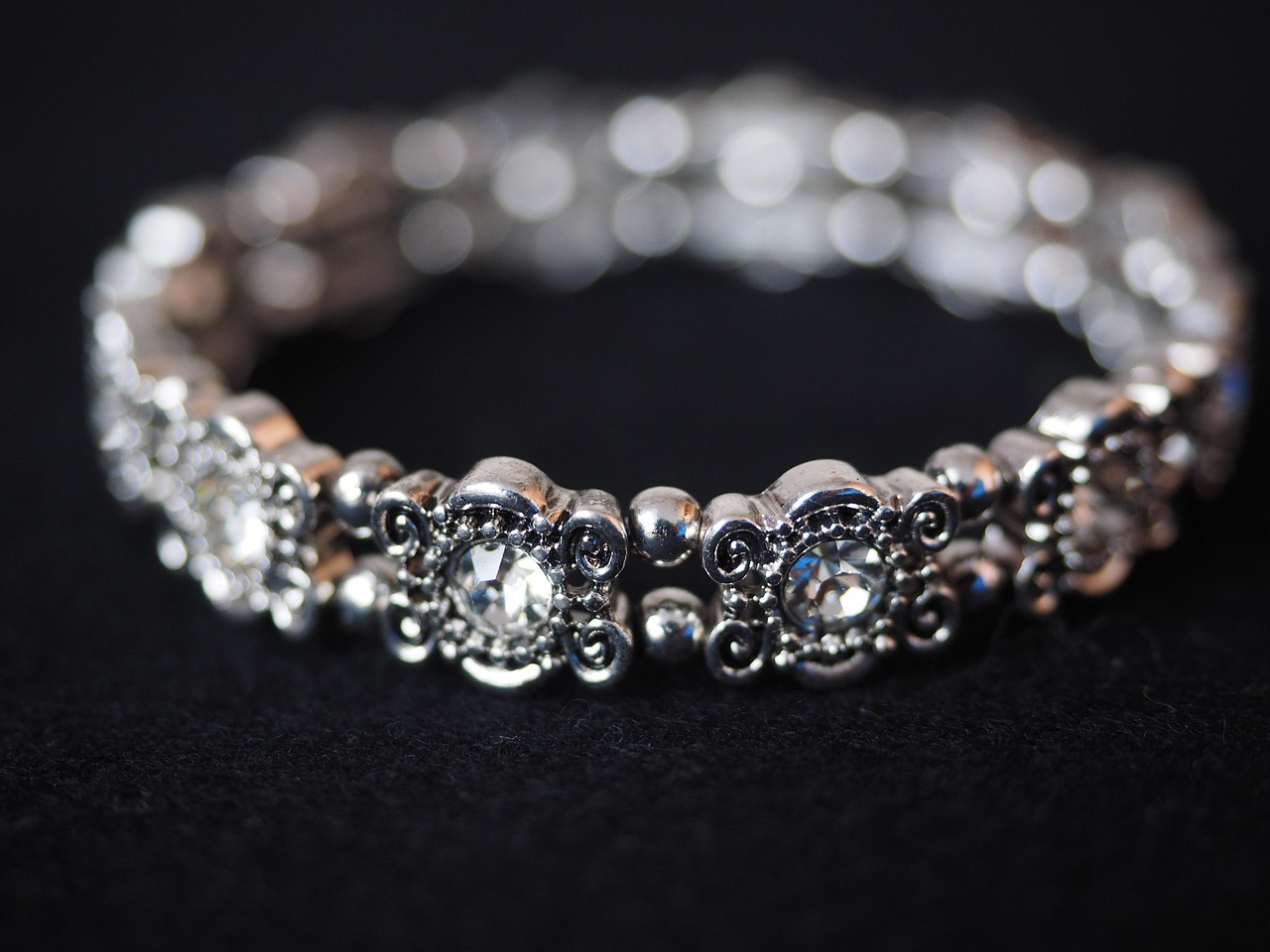
How to Clean a Silver Bracelet
Bracelets are exposed to frequent contact with skin, clothing, surfaces, and personal-care products. Start with a gentle dry wipe using a soft cloth to remove loose residue. If additional cleaning is necessary, use mild soap and lukewarm water when the bracelet's materials allow it.
Pay attention to hinges, clasps, textured areas, and decorative components. After rinsing, dry every part thoroughly. A polishing cloth can then be used to restore additional shine on suitable plain silver surfaces.
Do not bend a rigid bracelet repeatedly while cleaning. For delicate chain bracelets, support the piece rather than pulling it through the cloth with excessive force.
How to Clean Silver Earrings
Earrings can collect oils, cosmetics, and residue around the front, back, posts, and fasteners. Remove loose dirt first with a soft cloth. If the earrings are plain silver and suitable for wet cleaning, use a small amount of mild soapy water.
Be especially careful with earrings containing stones, pearls, adhesives, enamel, or decorative coatings. Do not assume that because the metal is silver, every component can be safely soaked.
Dry the earrings completely before storing them. Pay special attention to posts and backs because moisture can remain around small openings.
How to Clean Tarnished Silver Without Damaging It
The key to safe tarnish removal is using the least aggressive method that produces the desired result. Start with a soft cloth. If ordinary wiping does not work, move to mild soap and water when appropriate. For more persistent tarnish on plain silver, consider a suitable silver polishing cloth or manufacturer-approved silver cleaner.
Do not immediately jump to strong chemicals or abrasive scrubbing. Tarnish that has accumulated over a long period may take several gentle cleaning sessions to remove safely.
Remember that some jewelry is intentionally oxidized. Dark areas may be part of the design rather than unwanted tarnish. Aggressive polishing can remove these darker details and change the intended appearance.
How to Clean Sterling Silver
Sterling silver generally contains silver combined with other metals to create a more practical jewelry material. Because sterling silver can tarnish, routine care is important.
For everyday dirt, mild soap and water followed by thorough drying is a useful starting point. For tarnish, a silver-polishing cloth can restore shine on appropriate surfaces. Follow the manufacturer's instructions if the item has a special finish.
Do not assume that all sterling silver jewelry should be treated identically. A simple sterling-silver chain and a gemstone ring may have very different cleaning requirements.
What About Silver-Plated Jewelry?
Silver-plated jewelry has a layer of silver over another material. This makes abrasive cleaning especially important to avoid. Excessive polishing can gradually wear through the silver layer and expose the underlying metal.
If you own silver-plated jewelry, use gentle cleaning techniques and avoid repeated aggressive rubbing. A soft cloth may be sufficient for light residue. When a dedicated cleaner is required, confirm that it is safe for plated jewelry.
If the plating is already worn, cleaning cannot restore the missing silver layer. A professional may be able to replate the item depending on its construction and value.
How to Clean Silver Jewelry With Gemstones
Gemstone jewelry requires more caution because stones differ substantially in hardness, porosity, chemical resistance, and sensitivity to heat or sudden temperature changes. Some stones can tolerate gentle cleaning, while others may be damaged by soaking or household chemicals.
Before cleaning gemstone jewelry, identify the stone if possible and follow care instructions from the jeweler or manufacturer. If you do not know what the stone is, avoid experimenting with chemical solutions.
A soft, slightly damp cloth may be the safest starting point for many uncertain pieces. Keep moisture away from areas where stones are glued or where water may become trapped.
How to Clean Silver Jewelry With Pearls
Pearls are particularly delicate and should not be treated like ordinary silver. They can be sensitive to chemicals, cosmetics, abrasion, and prolonged exposure to water.
If silver jewelry contains pearls, avoid common silver-dipping solutions unless a professional specifically confirms that they are safe. Do not scrub the pearls with abrasive materials.
Instead, gently wipe the pearls with a soft, slightly damp cloth and dry them carefully. Clean the silver portions separately when appropriate, taking care not to expose the pearls to unsuitable cleaning chemicals.
How to Clean Jewelry With Enamel or Decorative Finishes
Enamel and decorative coatings can change the cleaning equation. Abrasive products may dull or scratch the finish, while strong chemicals can affect its appearance.
Use a soft cloth and mild cleaning methods whenever possible. Avoid aggressive polishing over decorative surfaces. If the jewelry is valuable or has a specialized finish, professional advice is preferable.
What You Should Never Use on Silver Jewelry
Several household cleaning habits can cause unnecessary damage. Avoid steel wool, rough scouring pads, harsh abrasive powders, and aggressive scrubbing. These materials can leave scratches that are difficult or impossible to reverse at home.
Be cautious with chlorine-based products, strong acids, bleach, and other household chemicals. They may react with metals or damage stones, finishes, and decorative components.
Do not boil delicate jewelry as a general cleaning technique. Heat can be inappropriate for certain stones, adhesives, coatings, and construction methods.
Also avoid cleaning valuable jewelry over an open sink. A dropped ring or earring can disappear down the drain. Use a bowl or place a drain stopper in position before beginning.
How to Dry Silver Jewelry Properly
Drying is an important but often overlooked part of jewelry care. After wet cleaning, rinse the piece and gently pat it dry with a soft towel. Then allow it to air-dry completely in a clean, safe location.
Use a soft cloth to remove moisture from chains, clasps, grooves, and settings. Do not store jewelry while it is still damp.
Compressed air can sometimes help remove moisture from difficult areas, but it should be used carefully and at a safe pressure. For ordinary home care, patience and a soft lint-free cloth are usually sufficient.
How to Polish Silver Without Scratching It
Polishing should involve light pressure rather than force. Use a clean silver-polishing cloth and move gently across the surface. If the jewelry has a directional finish, follow that finish rather than rubbing randomly in circles.
Do not keep polishing indefinitely because the cloth becomes dark. Inspect the jewelry periodically. If the surface is clean and bright enough, stop.
Over-polishing can remove tiny amounts of metal and can gradually alter detailed or textured surfaces. Jewelry maintenance is about controlled care, not making the piece look new at any cost.
How Often Should You Clean Silver Jewelry?
There is no universal cleaning schedule. Jewelry that is worn daily may need light cleaning more often than a piece worn only occasionally. The best approach is to clean it when you notice visible residue, dullness, or tarnish rather than following an unnecessarily aggressive schedule.
A quick wipe with a soft cloth after wearing silver can remove some surface oils and residue. Deeper cleaning can be performed when needed.
If your jewelry tarnishes quickly, examine storage conditions and exposure to moisture, cosmetics, perfumes, and household chemicals. Improving those factors may reduce the need for repeated polishing.
How to Prevent Silver Jewelry From Tarnishing
Prevention is easier than repeatedly removing heavy tarnish. Store silver jewelry in a dry location away from direct exposure to humidity. Individual jewelry pouches or compartments can reduce contact between pieces and minimize scratching.
Anti-tarnish storage materials can also be useful. Some jewelry storage products are designed to reduce exposure to substances that contribute to tarnishing.
Keep silver away from perfumes, hairspray, lotions, cleaning chemicals, and other substances whenever possible. A simple habit is to put on jewelry after applying personal-care products and allow them to dry first.
Should You Remove Silver Jewelry Before Showering?
Removing silver jewelry before showering can help reduce exposure to soap, shampoo, body wash, moisture, and other products. Frequent water exposure does not necessarily destroy plain silver immediately, but repeated exposure can contribute to dullness and residue buildup.
Swimming is a particularly important situation because pools and hot tubs can contain chemicals that may affect metals and jewelry components. It is generally safer to remove jewelry before entering chemically treated water.
Should You Remove Silver Jewelry Before Exercising?
Removing jewelry during exercise can reduce exposure to sweat and friction. It also reduces the chance that a chain, ring, or bracelet will catch on equipment.
Sweat itself is not identical for everyone, and environmental conditions can influence how quickly jewelry changes appearance. If you notice that your silver tarnishes quickly during workouts, storing it safely during exercise may help.
How to Store Silver Jewelry Correctly
Store each piece in a clean, dry location. Soft individual pouches, lined jewelry boxes, or separate compartments can help prevent scratches and tangling.
Avoid storing silver jewelry loose in a humid bathroom. Bathrooms experience frequent changes in humidity, which can create an environment that encourages tarnishing.
If possible, use anti-tarnish strips or storage materials designed for silver. Replace them according to the manufacturer's recommendations.
Can You Store Silver Jewelry in Plastic Bags?
Individual airtight or low-air-exposure storage can help reduce contact with environmental substances that contribute to tarnishing. However, jewelry should be completely clean and dry before storage, and the storage material should be suitable for jewelry.
Do not trap moisture inside a sealed bag. If the jewelry is damp, sealing it can create a poor storage environment. Soft jewelry pouches designed for long-term storage may be preferable for delicate pieces.
Why Silver Jewelry Should Be Stored Separately
Different jewelry metals and gemstones can scratch one another. Chains can also become tangled when stored together. Separating pieces makes them easier to access and reduces unnecessary friction.
Silver jewelry should also be protected from direct contact with materials or chemicals that can accelerate tarnishing. Individual compartments provide a simple way to manage this.
How to Clean an Old Silver Necklace
An old necklace may have accumulated years of tarnish, oils, dust, and residue. Start slowly. Inspect the chain for weak links and the clasp for damage before applying any liquid.
If the necklace is structurally sound and made from plain silver, begin with a soft cloth or mild soapy water. Work through the chain carefully rather than pulling it forcefully.
For an antique or valuable necklace, professional cleaning may be safer. Older jewelry can have fragile solder joints, unusual finishes, delicate stones, or intentionally aged surfaces that should not be polished away.
How to Clean Heavily Tarnished Silver
Heavy tarnish can be tempting to attack with strong chemicals or vigorous scrubbing, but that is exactly when caution becomes more important. Start by identifying the material and finish. If it is ordinary plain silver and structurally sound, a suitable silver cleaner or polishing cloth may work gradually.
Follow the product instructions carefully. Do not leave jewelry submerged longer than recommended. Rinse if the product instructions require it and dry thoroughly.
If the tarnish remains stubborn or the jewelry has complicated construction, professional cleaning is usually the safer option than escalating to increasingly aggressive household methods.
How to Tell Whether Silver Jewelry Is Clean
Clean silver should generally have a surface appearance consistent with its intended finish. It does not have to look mirror-bright. Some silver jewelry is deliberately brushed, matte, antiqued, or oxidized.
Look for the removal of unwanted residue and tarnish while preserving the original surface characteristics. If polishing starts removing intentional dark details or changing the texture, stop.
Why Over-Cleaning Can Be a Problem
Cleaning silver is not simply about removing as much material or discoloration as possible. Every abrasive polishing process can remove a small amount of surface material. Repeated aggressive cleaning can therefore change details over time.
This is particularly important for engraved pieces, antique jewelry, textured designs, plated jewelry, and pieces with intentional patina. Gentle maintenance is usually better than frequent intensive restoration.
A Safe Silver Jewelry Cleaning Routine
A simple routine can keep everyday silver jewelry looking good. First, remove the jewelry before showering, swimming, exercising, or applying products that may leave residue. After wearing it, wipe the piece gently with a soft cloth.
When visible dirt develops, use mild soap and lukewarm water if the piece is suitable for wet cleaning. Rinse thoroughly and dry completely. When tarnish becomes visible, use an appropriate silver polishing cloth with gentle pressure.
Store the jewelry in a dry, protected location. These small habits can reduce the need for intensive cleaning.
Step-by-Step Routine for a Plain Silver Ring
Place a clean towel on your work surface. Inspect the ring for damage or loose components. Prepare lukewarm water with a small amount of mild soap. Gently clean the ring with your fingers or a very soft brush.
Rinse the ring over a bowl rather than directly over an open drain. Pat it dry with a soft cloth. If tarnish remains, gently polish it with a silver-polishing cloth.
Inspect the result under good lighting. If the ring has a special finish, stop once it reaches the desired appearance rather than continuing to polish unnecessarily.
Step-by-Step Routine for a Silver Bracelet
Lay the bracelet flat on a soft towel. Wipe away loose dirt first. If wet cleaning is appropriate, use mild soapy water and gently work around the surface.
Use a soft brush only where necessary. Avoid bending delicate sections repeatedly. Rinse carefully, dry the bracelet completely, and finish with a silver-polishing cloth if appropriate.
Store the bracelet separately so it does not rub against harder jewelry.
Step-by-Step Routine for a Silver Necklace
Untangle the necklace gently before cleaning. Do not pull hard on knots. Place the necklace on a soft towel and examine the chain, clasp, and pendant.
For suitable plain silver, clean with mild soapy water. Work carefully along the chain. Rinse and dry every section, including the clasp.
Polish accessible silver surfaces gently. Avoid aggressive rubbing against delicate pendants, gemstones, or decorative finishes.
Common Mistakes When Cleaning Silver
One common mistake is assuming that every silver-colored item is solid silver. Some pieces are plated, mixed-metal, or made from another material entirely. The appropriate cleaning method can differ substantially.
Another mistake is using abrasive household products because they produce fast visible results. Scratches may not be obvious immediately but can accumulate with repeated cleaning.
Leaving jewelry wet is another avoidable problem. Moisture can remain around clasps and settings and can contribute to future problems.
Finally, many people clean valuable jewelry without checking whether the stones can tolerate the selected method. Material identification should come before chemical cleaning.
When Professional Silver Cleaning Is Better
Professional cleaning is a sensible choice for high-value jewelry, antiques, heirlooms, complicated gemstone pieces, heavily damaged items, and jewelry with an uncertain finish. A jeweler can inspect the piece before selecting a cleaning method.
Professional care can also be useful when a piece needs polishing, replating, stone tightening, clasp repair, or other work beyond ordinary cleaning.
If a piece has significant sentimental or financial value, the cost of professional cleaning may be small compared with the potential cost of repairing damage caused by an unsuitable home method.
Can Tarnished Silver Be Restored Completely?
Many tarnished silver pieces can be restored to a much brighter appearance, but the result depends on the condition and construction of the jewelry. Tarnish is different from deep scratches, worn plating, corrosion, missing material, or damaged finishes.
Cleaning can remove surface discoloration, but it cannot replace metal that has been worn away. Similarly, polishing cannot restore plating that has already disappeared.
If the jewelry has physical damage in addition to tarnish, cleaning should be treated as only one part of restoration.
How to Keep Silver Shiny After Cleaning
The best way to keep silver shiny is to reduce the conditions that cause rapid tarnishing. Keep jewelry dry, minimize contact with cosmetics and chemicals, wipe it after wearing, and store it properly.
Do not wait until every piece becomes heavily tarnished before taking care of it. Light maintenance is generally easier than aggressive restoration.
Rotate jewelry when practical. Wearing the same piece every day exposes it continuously to the same environment. Giving it time in proper storage can reduce unnecessary exposure.
Final Takeaway
Learning how to clean silver jewelry at home does not require complicated equipment. For many everyday pieces, the safest approach is to begin with gentle cleaning, use a soft cloth, choose mild soap and lukewarm water when appropriate, and use a silver-polishing cloth for suitable tarnished surfaces.
Popular household methods such as toothpaste, strong acids, abrasive powders, and aggressive scrubbing should not be treated as universal silver-cleaning solutions. Jewelry containing gemstones, pearls, enamel, plating, glued components, antique finishes, or unknown materials deserves additional caution.
Regular care is just as important as cleaning. Remove jewelry before swimming, exercising, showering, or using products that may leave residue. Store silver in a dry environment and separate pieces to prevent scratches and tangling.
Most importantly, remember that silver jewelry is not all made or finished the same way. A simple sterling-silver bracelet can have very different care requirements from an antique silver ring with gemstones. When in doubt, choose the gentlest option or consult a qualified jeweler. With consistent, careful maintenance, many silver jewelry pieces can retain their shine and attractive appearance for years.