Introduction: Why Thousands of People Are Still Missing
The Nepal–Tibet flood disaster of August 2026 has developed into a humanitarian emergency across one of the world's most difficult environments for rescue operations.
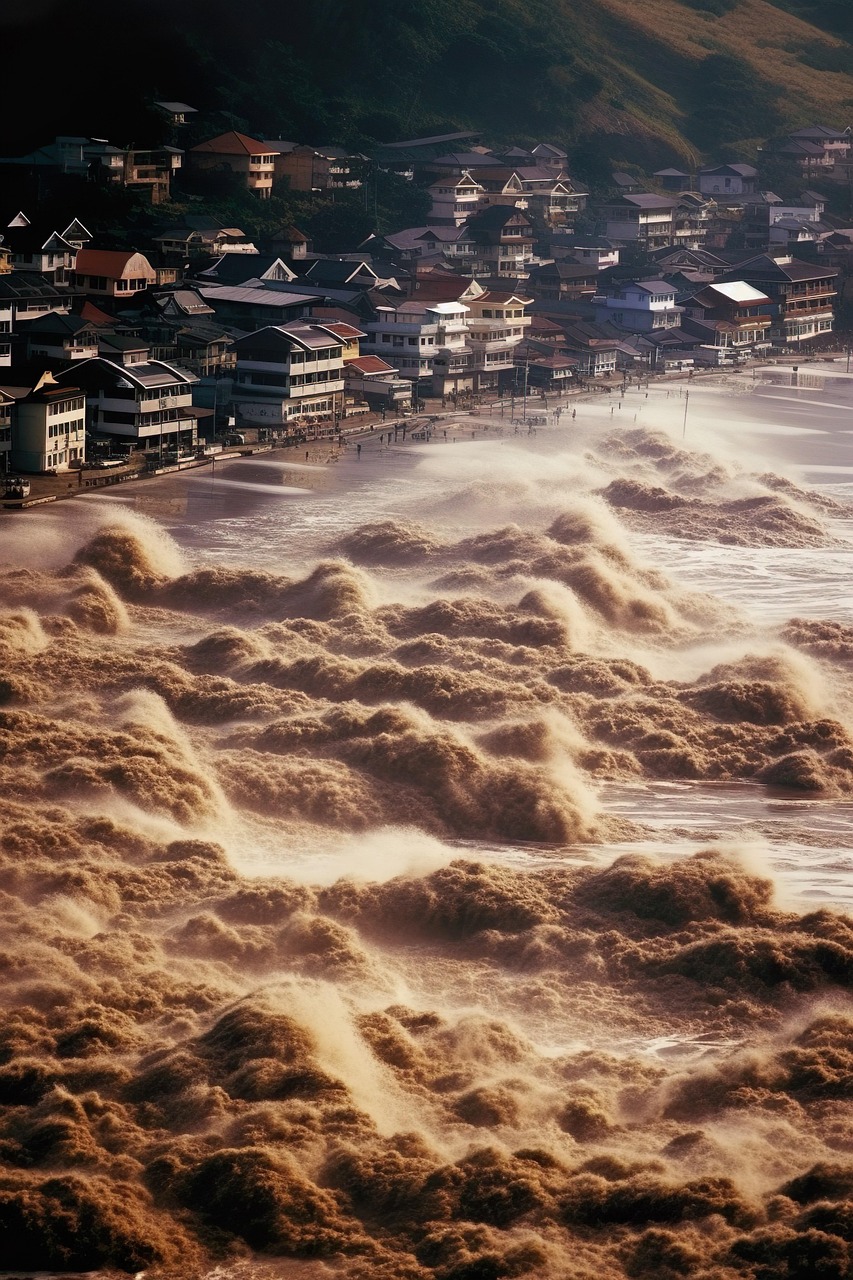
A catastrophic collapse of ice and rock in the high Himalayas triggered a sudden surge of water, mud and debris into river systems along the Nepal–China border.
The resulting flash floods and landslides destroyed homes, roads, bridges, hydropower facilities and other critical infrastructure.
Thousands of people remain unaccounted for.
The exact number has changed repeatedly as authorities update their lists, recover bodies and establish contact with isolated communities. By August 30, reports indicated that more than 3,000 people remained missing across Nepal and Tibet, while the confirmed death toll had risen sharply.
The enormous missing-person figure raises an important question: why is it so difficult to determine where thousands of people are?
The answer lies in the combination of extreme Himalayan geography, destroyed infrastructure, sudden flooding, missing communications, damaged records, displaced populations and the large number of people who were working, travelling or worshipping in the affected region when the disaster occurred.
What Happened in Nepal and Tibet?
The disaster began on August 26, 2026, when a large mass of glacier ice and rock collapsed in the Himalayan region near the Nepal–China border.
The collapse generated a powerful debris flow and contributed to a sudden flood surge through mountain river systems.
The event was especially destructive because the Himalayan valleys are extremely steep.
When enormous quantities of ice, rock, mud and water move through a narrow valley, the flow can accelerate rapidly and carry huge amounts of debris downstream.
Communities and infrastructure located near rivers can have very little time to react.
The disaster subsequently affected areas on both sides of the border and caused severe destruction along important transport and energy corridors.
How Many People Are Missing?
The number of missing people has changed rapidly as Nepalese and Chinese authorities have updated their records.
Recent reporting has placed the combined number of missing people in Nepal and Tibet at more than 3,000.
Reuters reported on August 30 that Nepal had recorded 2,498 missing people while China had reported 546 missing in Gyirong County, producing a combined figure above 3,000.
Other reports have provided slightly different totals because authorities are continuing to reconcile missing-person reports, deaths and recovered bodies.
This distinction is important.
A person listed as missing has not necessarily died.
Some people may be alive but unable to contact relatives because mobile networks, electricity, roads and communications infrastructure have been destroyed.
Others may have evacuated to areas where authorities have not yet established contact.
Why Are So Many People Missing?
The unusually high missing-person figure is the result of several overlapping factors.
The first is the speed and force of the disaster.
Flash floods generated by glacier-related collapses can arrive with very little warning.
The flood does not behave like a slowly rising river.
It can contain enormous quantities of rock, mud, trees, ice and other debris.
Buildings located near river channels can be destroyed within minutes.
The second factor is geography.
The Himalayan region contains deep valleys, steep mountains and remote settlements that are difficult to reach even under normal conditions.
After the flood, roads and bridges that normally connect these communities were destroyed or buried.
Destroyed Roads Are Slowing the Search
One of the biggest challenges facing rescuers is the destruction of transportation infrastructure.
Roads, bridges and mountain routes were damaged by floodwater and landslides.
This means rescue teams cannot simply drive into many affected locations.
Helicopters have become essential for reaching isolated communities.
However, helicopter operations in the Himalayas are extremely difficult.
Mountain weather can change rapidly, visibility can deteriorate and landing zones may no longer exist.
Rescue teams therefore have to balance urgency with operational safety.
Communications Have Also Been Destroyed
Another major reason people remain unaccounted for is the collapse of communications.
Floods and landslides can damage electricity networks, telecommunications infrastructure and internet connections.
A person who survives the disaster may therefore be unable to contact family members.
Families may report relatives missing simply because they have not heard from them.
As communication networks are restored and isolated communities are reached, some missing-person cases can eventually be resolved.
Entire Villages Were Hit by the Flood
The destruction was not limited to individual buildings.
Some communities were struck by massive flows of water, mud and debris that swept through entire sections of river valleys.
When multiple homes disappear simultaneously, identifying survivors becomes much more difficult.
Authorities may initially have incomplete information about who was present in each location.
This is particularly challenging in regions where residents, seasonal workers, pilgrims and tourists can move between communities.
Hydropower Workers Are Among Those Missing
Hydropower infrastructure has been particularly vulnerable because many facilities are constructed near rivers and mountain valleys.
Workers were present at several hydropower projects when the disaster struck.
Some workers were trapped inside tunnels or underground facilities after mud and debris blocked access.
Recent reports said rescue teams were focusing on hydropower tunnel sites where more than 100 workers could still be trapped.
Specialized equipment, oxygen supplies and technical rescue teams are being used in attempts to reach people underground.
Why Tunnels Make the Rescue More Difficult
Underground rescue operations are difficult even under normal circumstances.
After a flood, tunnels can be filled with mud, water and debris.
Rescuers must determine whether the structure remains stable before entering.
Floodwater can also create secondary hazards.
Collapsed sections may block access routes, while damaged electrical and mechanical systems can create additional risks.
In some cases, rescuers have used air pipes and other methods to provide oxygen while attempting to reach people trapped underground.
Why Some Bodies Are Difficult to Identify
The extreme force of the flood has also created major challenges for victim identification.
Debris flows can carry victims significant distances downstream.
Some bodies have been recovered far from where people were last seen.
Severe environmental exposure and physical damage can make visual identification difficult.
Authorities have therefore requested forensic assistance, identification equipment and DNA testing.
DNA identification can take time because investigators must collect samples, document recovered remains and compare them with relatives or existing records.
Why the Himalayas Are So Dangerous During a Glacier Collapse
The Himalayas contain enormous amounts of stored ice and snow at high elevations.
Mountain slopes are also extremely steep.
When a glacier section collapses, the falling ice and rock can rapidly transform into a destructive mixture of debris and water.
The material can travel downhill at high speed.
River channels can amplify the destructive force by concentrating the flow into narrow valleys.
What Is a Glacier Collapse?
A glacier collapse occurs when part of a glacier or the surrounding unstable ice and rock system suddenly fails.
The failure can involve ice, snow, rock and sediment.
It is different from a conventional river flood because the initial event can release a huge quantity of material into the valley almost instantaneously.
The resulting flow may then behave like a mixture of floodwater and landslide debris.
Did Climate Change Cause the Nepal Disaster?
Climate change is an important part of the scientific discussion surrounding Himalayan glacier hazards, but it is important to distinguish between a long-term risk factor and the exact trigger of a specific collapse.
Warming temperatures can contribute to glacier retreat, changes in snow and ice conditions and the expansion or destabilization of glacier-fed water systems.
Scientists have repeatedly warned that a warming climate can increase risks associated with high-mountain cryosphere changes.
However, determining precisely why a particular section of glacier collapsed requires detailed geological, glaciological and meteorological investigation.
Therefore, it is more accurate to describe climate change as a factor that can alter the background risk rather than automatically identifying it as the sole immediate cause of the August 2026 collapse.
Why Himalayan Glacier Risks Are Increasingly Important
Glacier-related hazards are becoming a major concern across the Himalayan region.
As glaciers retreat and mountain environments change, new water bodies can form and existing glacier-fed lakes can expand.
Some lakes are held back by natural dams made from ice, rock and moraine.
If such a natural barrier fails, enormous quantities of water can suddenly move downstream.
These events are known as glacial lake outburst floods, or GLOFs.
The 2026 disaster demonstrates why monitoring high-altitude glacier systems is increasingly important for communities living hundreds of kilometres downstream.
Why Early Warning Is So Difficult
One of the most difficult aspects of Himalayan disaster management is that the dangerous event can occur in remote areas where monitoring infrastructure is limited.
Satellites can provide valuable information, but satellite observations may not always provide enough warning before a sudden collapse.
Ground-based sensors can provide more detailed information but are difficult and expensive to install in extremely high and inaccessible terrain.
International cooperation is therefore essential.
The Importance of Nepal–China Information Sharing
Rivers and hazards do not stop at international borders.
A glacier or landslide on the Tibetan side can create consequences downstream in Nepal.
This means information about high-altitude conditions, river levels, glacial lakes and potential hazards can be valuable to communities in both countries.
Experts have emphasized the importance of stronger cross-border hydrological and disaster-warning cooperation following the catastrophe.
Why Foreign Nationals Are Also Among the Missing
The affected region is not isolated from international travel.
The Nepal–Tibet border region includes routes used by tourists, trekkers, pilgrims, traders and workers.
Hundreds of foreign nationals were in the broader affected region when the disaster occurred.
Reuters reported that 261 foreign nationals from 23 countries were among those reported unaccounted for in the latest figures.
This has turned the disaster into an international missing-person crisis as governments work to determine the status of their citizens.
Why the Missing Number May Change Again
It is important to understand that missing-person figures during a major disaster are not static.
The number can increase when families report people who cannot be contacted.
It can decrease when survivors are located or when recovered victims are formally identified.
Authorities may also merge duplicate reports or correct inaccurate information.
For this reason, different news organizations can report different totals at different times.
The most reliable figures are those released directly by official disaster-management authorities and updated as rescue operations continue.
What Rescue Teams Are Doing
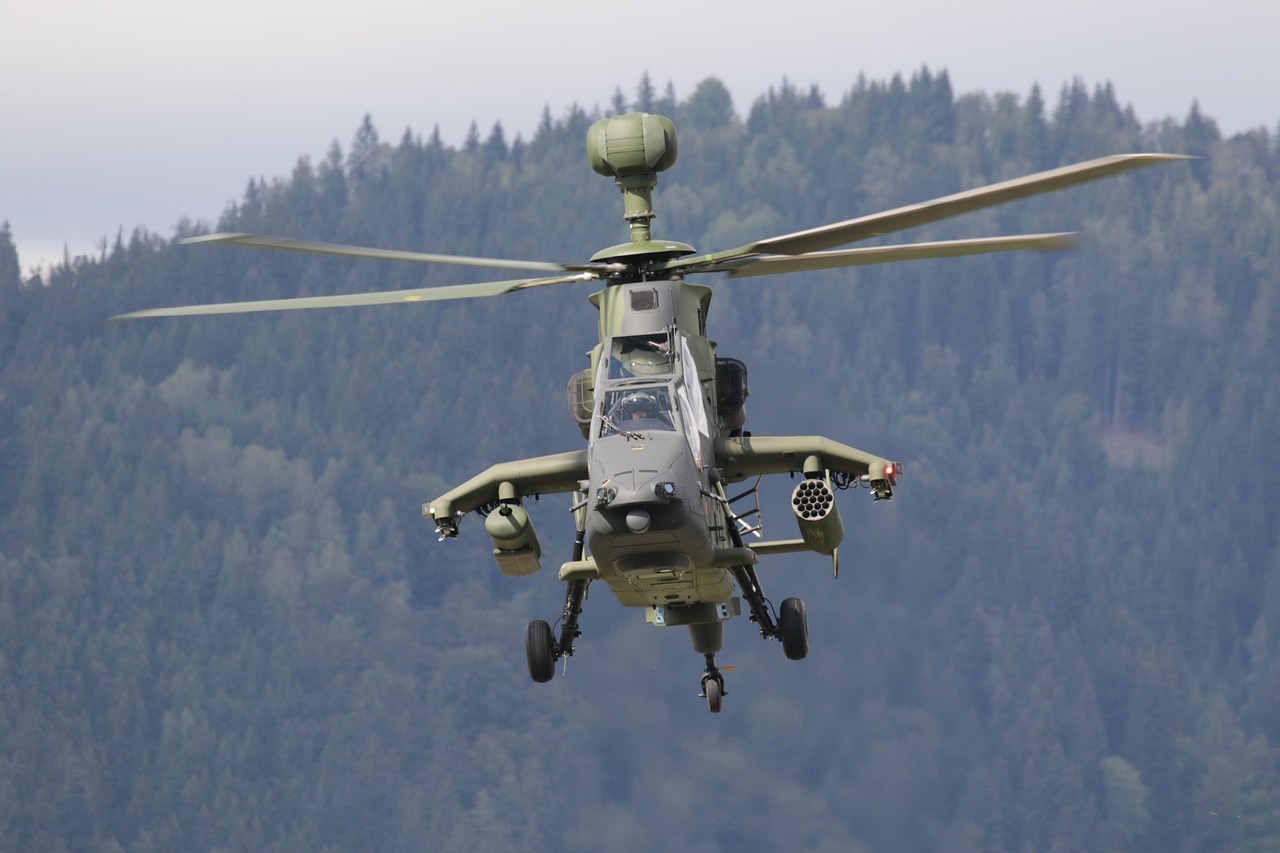
Rescue teams are using helicopters, ground units, specialized equipment, life-detection technology and engineering teams to search affected areas.
Operations are being conducted on both sides of the border.
In Nepal, security personnel and emergency workers are attempting to reach isolated communities and damaged hydropower facilities.
China has also deployed thousands of rescue workers and additional equipment in the affected Tibetan region.
However, the terrain continues to make operations extremely difficult.
Why Weather Is Making Rescue Operations Harder
Weather is a major operational challenge in the Himalayas.
Rain can raise river levels and trigger additional landslides.
Cloud cover can prevent helicopters from reaching remote locations.
Wet slopes can become unstable, creating secondary hazards for rescue teams.
This means rescuers may sometimes have to stop operations temporarily even when people are believed to be trapped.
The Threat of Secondary Flooding
The disaster did not end when the initial flood passed.
Authorities have warned about continuing river hazards and possible additional flooding.
Landslides can temporarily block rivers and create unstable natural dams.
If those barriers suddenly fail, another surge of water can move downstream.
This creates a difficult situation in which rescuers must search for survivors while simultaneously monitoring new hazards.
What Happened to Roads and Bridges?
Transportation infrastructure suffered enormous damage.
Bridges connecting mountain communities were destroyed or damaged.
Roads were buried beneath mud and rocks.
Some routes became impassable because entire sections of roadway were washed away.
This has slowed the movement of food, medical supplies, fuel and rescue equipment.
Rebuilding transportation links will be one of the most important parts of the recovery phase.
Why the Disaster Could Become an Economic Crisis
The human cost is the immediate priority, but the economic consequences could extend for years.
Hydropower facilities, roads, bridges, tourism infrastructure, homes and agricultural land have been damaged.
Economic losses can continue after the flood because businesses may remain closed and transportation networks may be disrupted.
Nepal's government has warned that reconstruction could cost billions of dollars.
The New Indian Express reported that Nepal's finance minister estimated reconstruction needs could reach approximately $5 billion.
Impact on Nepal's Hydropower Industry
Hydropower is strategically important to Nepal's economy.
Many projects are located in mountainous valleys where access to water is abundant.
However, the same geography that makes hydropower possible can expose facilities to floods, landslides and debris flows.
The destruction of multiple projects could therefore affect electricity generation, investment and infrastructure development.
Impact on Tourism and Pilgrimage
The Himalayan region attracts international tourists and religious pilgrims.
When major routes are destroyed, tourism can be disrupted immediately.
Families may also be unable to determine whether relatives who were travelling in the region survived.
Recovery will require not only rebuilding infrastructure but also restoring confidence in transportation and safety systems.
The Human Cost Behind the Missing Numbers
Statistics cannot fully describe the human impact of the disaster.
For families, a missing-person report means uncertainty.
They may not know whether a relative is alive, injured, stranded or dead.
Hospitals and temporary morgues have become places where families search for information.
In some communities, entire households have disappeared.
The psychological consequences may continue long after the physical rebuilding begins.
Why Identification Is Taking Time
Large-scale disasters create enormous forensic challenges.
Authorities must recover remains, document locations, preserve evidence and compare information with missing-person reports.
DNA testing can provide reliable identification but requires laboratories, samples and appropriate procedures.
International cooperation may be required when victims come from different countries.
What Nepal Needs During the Recovery
Nepal's immediate priorities include search and rescue, medical assistance, food, temporary shelter, transportation and communications.
The country also needs specialized forensic resources to identify victims.
In the longer term, rebuilding roads, bridges, hydropower infrastructure and communities will require substantial investment.
Disaster-resistant infrastructure will become increasingly important in areas exposed to floods and landslides.
What the Disaster Teaches About Himalayan Risk
The 2026 catastrophe demonstrates that a disaster originating high in the mountains can affect communities far downstream.
Risk assessment therefore cannot focus only on individual villages.
Entire river basins need to be considered.
Monitoring glaciers, unstable slopes, rivers and infrastructure must become part of an integrated disaster-management strategy.
Could Another Disaster Happen?
Yes.
The Himalayas remain exposed to multiple hazards, including landslides, glacier collapses, glacial lake outburst floods, earthquakes and extreme rainfall.
The existence of one disaster does not mean another event will occur immediately, but the underlying environmental hazards remain.
Authorities therefore need continuing monitoring even after rescue operations are completed.
How Technology Could Improve Future Early Warning
Technology can help reduce disaster risk.
Satellite imagery can monitor glacier movement and changes in high-altitude terrain.
Automated river gauges can provide information about rapidly changing water levels.
Remote sensors can monitor unstable slopes and glacier-fed lakes.
Artificial intelligence can potentially help identify changes in satellite imagery and prioritize areas requiring investigation.
However, technology works best when combined with reliable local warning networks and trained emergency teams.
Why Local Communities Need Better Warning Systems
A warning is useful only if people can receive it and act on it.
Mountain communities need communication systems that continue operating when electricity and mobile networks fail.
Sirens, radio systems, satellite communication and community emergency plans can provide additional layers of protection.
Residents also need clear information about where to evacuate and which areas are dangerous.
The Role of International Cooperation
The scale of the disaster shows why international cooperation matters in Himalayan risk management.
Nepal, China, India and other regional partners share interconnected river systems and climate-related risks.
Scientific institutions can cooperate on glacier monitoring, hydrology, satellite observations and disaster modelling.
International rescue teams can provide specialized capabilities that may not be immediately available locally.
What Happens Next?
The immediate focus will remain on finding survivors and recovering victims.
Rescue teams will continue searching damaged communities, river corridors and hydropower facilities.
Authorities will also need to monitor rivers and unstable slopes for additional hazards.
Once the emergency phase ends, attention will shift toward identification, reconstruction and long-term recovery.
Investigators will also need to determine exactly how the glacier collapse occurred and which environmental and geological factors contributed to the disaster.
What Scientists Will Study
Scientists will likely examine satellite imagery, seismic data, glacier conditions, weather patterns, river levels and geological evidence.
The objective will be to reconstruct the sequence of events.
Researchers will want to understand how the initial collapse developed, how the debris interacted with the river system and why the resulting flood became so destructive.
This information could help improve future warning systems.
Why the 2026 Nepal Floods Matter Beyond Nepal
The disaster is not only a national tragedy.
It is also a warning about the changing risks faced by high-mountain regions around the world.
Mountain communities in the Himalayas, Andes, Alps and other regions face hazards associated with changing glaciers, extreme precipitation and unstable slopes.
The lessons from Nepal could therefore become relevant to disaster planners far beyond South Asia.
Conclusion: Thousands Missing, and a Long Search Ahead
The Nepal–Tibet floods of 2026 have demonstrated how quickly a high-altitude geological event can become a large-scale humanitarian disaster.
A glacier collapse triggered a destructive chain of ice, rock, mud and water that moved through Himalayan valleys with devastating force.
Thousands of people remain missing because the disaster destroyed communities, communications and transportation networks while trapping workers and residents in remote locations.
The final human cost will take time to determine.
Some missing people may still be found alive.
Others may eventually be identified among recovered victims.
For families waiting for information, the uncertainty is one of the most painful consequences of the disaster.
The immediate priority is therefore clear: find survivors, recover victims, protect communities from additional flooding and restore communication.
But the longer-term lesson is equally important.
The Himalayas are changing, and disaster preparedness must change with them.
Better glacier monitoring, stronger cross-border information sharing, resilient infrastructure, improved early-warning systems and specialized rescue capabilities could help reduce the human cost of future disasters.
The Nepal floods are therefore not simply a story about what happened on one devastating day.
They are a warning about how climate, geology, infrastructure and human settlement can interact in one of the world's most vulnerable mountain environments.