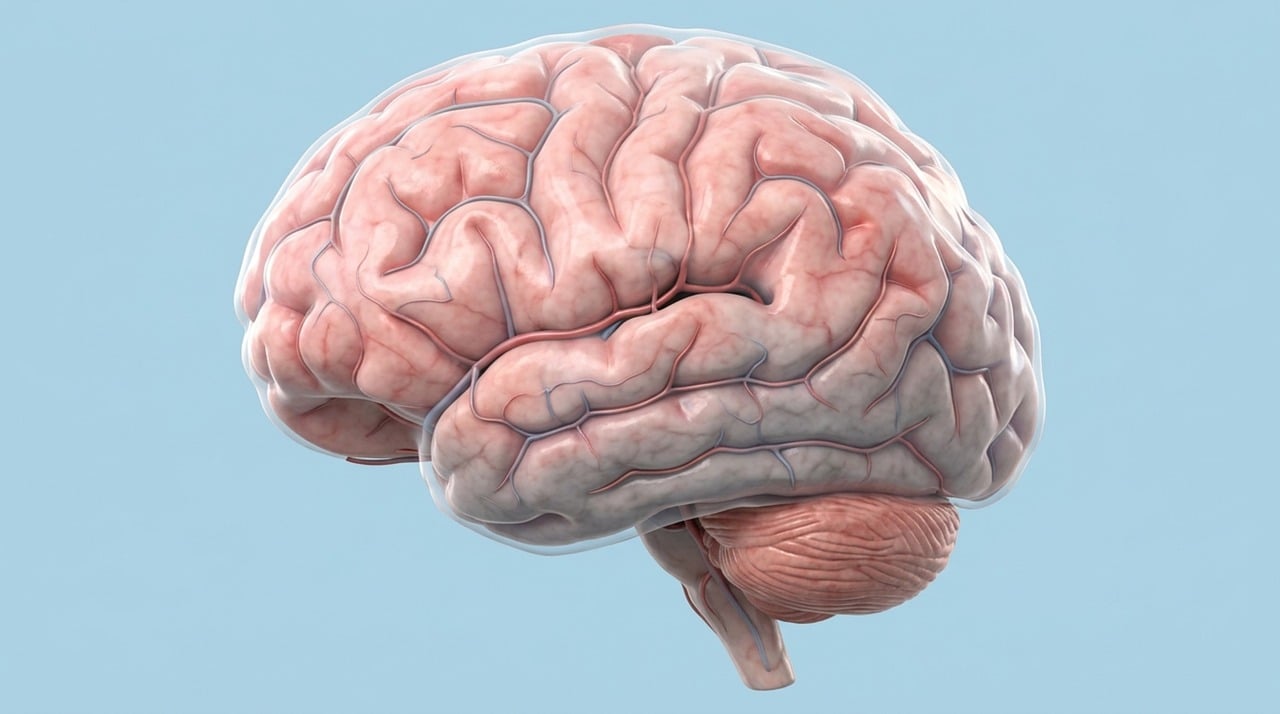
Introduction: Why Scientists Are Looking at Genes to Understand Human Behavior
Why do humans think, learn, communicate and behave in such complicated ways?
For centuries, philosophers and scientists have attempted to understand the origins of human behavior. Modern neuroscience has made it possible to investigate the question at a much deeper biological level.
Scientists can now study individual brain cells, map genomes, examine gene activity and observe how neural circuits develop.
This has revealed something important.
Human behavior is not controlled by a single biological mechanism.
Instead, behavior emerges from a complicated interaction between genetics, brain development, neural circuits, hormones, environment, learning and life experience.
Recent research is providing another piece of this puzzle by examining human-specific genetic changes and their effects on cells involved in brain development.
A major 2026 study from researchers at Columbia University's Zuckerman Institute found that human microglia can take approximately four to eight years to mature, dramatically longer than comparable mouse microglia. The researchers also identified unusually high activity of human-specific copies of the SRGAP2 gene in these cells. The findings could provide new clues about how the human brain develops its distinctive complexity. :contentReference[oaicite:1]{index=1}
The New Discovery About the Human Brain
The recent discovery focuses on a type of brain cell called microglia.
Microglia are often described as the immune cells of the brain.
They protect nervous tissue, respond to damage and help remove cellular debris.
But scientists have increasingly learned that microglia have another important role.
They participate in the development and organization of neural circuits.
During brain development, microglia can influence which connections between neurons remain and which are removed.
This means that these cells are not simply protecting the brain.
They are also helping shape it.
What Did Scientists Discover in 2026?
Researchers studying human brain development discovered that human microglia mature unusually slowly.
According to the researchers, human microglia can take roughly four to eight years to reach maturity, while mouse microglia can mature in approximately three weeks.
This enormous difference is scientifically important because the human brain itself develops over an unusually long period.
The researchers found that human-specific copies of the SRGAP2 gene were particularly abundant in microglia.
Experiments involving mice and human cells suggested that these gene copies can dramatically slow microglial development. :contentReference[oaicite:2]{index=2}
The finding raises an intriguing possibility.
The same evolutionary mechanisms that slowed aspects of human neuronal development may also have influenced the development of microglia.
What Is SRGAP2?
SRGAP2 is a gene associated with the development of the nervous system.
Researchers have previously investigated human-specific copies of this gene because they appear to influence how neurons develop.
Earlier work suggested that human-specific SRGAP2 copies can increase the number of synaptic connections while also slowing the maturation of those connections.
That combination may contribute to the distinctive developmental timetable of the human brain.
The new research suggests that the gene may also influence microglia.
This expands the potential importance of SRGAP2 beyond neurons alone.
Why Are Microglia Important?
Microglia make up a relatively small fraction of brain cells, but their influence is much larger than scientists once believed.
They help maintain the brain's environment and respond to injury or infection.
During development, they also interact with neurons and synapses.
A developing brain produces enormous numbers of neural connections.
Some of those connections become important functional pathways.
Others are removed through a process often described as synaptic pruning.
Microglia participate in this process.
Therefore, changes in microglial development could potentially affect how neural networks are organized.
The Human Brain Takes a Long Time to Develop
One of the most unusual characteristics of humans is the extended period over which the brain develops.
Human children require years of development before reaching adult levels of cognitive ability.
This prolonged developmental period is sometimes discussed in terms of neoteny, in which juvenile characteristics and developmental processes are extended.
The new research suggests that this slow developmental timetable may involve multiple types of brain cells rather than neurons alone.
If neurons and microglia develop on coordinated schedules, their interaction could influence how complex neural circuits emerge.
Could Slow Brain Development Help Explain Human Intelligence?
Scientists do not yet have a complete answer.
However, the extended development of the human brain may provide more time for neural circuits to form, reorganize and respond to experience.
A longer developmental period could allow environmental information, learning and social interaction to influence developing neural networks.
The new microglia findings add another possibility.
Slow development may be coordinated across several types of brain cells.
Instead of neurons developing independently, different cellular systems may operate according to interconnected developmental programs.
Genes Do Not Directly Control Human Behavior
This distinction is essential.
When scientists identify a gene associated with brain development, it does not mean they have discovered a gene that directly determines someone's personality or behavior.
Human behavior is extremely complex.
Genes influence biological processes that affect brain development, physiology and neural function.
Those biological processes interact with the environment.
Education, nutrition, relationships, culture, stress, learning and countless other factors can influence how the brain develops and how behavior emerges.
Therefore, genetic influence should not be confused with genetic destiny.
Behavior Is a Product of Genes and Environment
Scientists often describe behavior as the result of interactions between biological and environmental factors.
Two people can carry similar genetic variants while developing very different behaviors because their experiences are different.
Likewise, environmental experiences can influence gene activity through biological mechanisms including epigenetic regulation.
This makes human behavior one of the most difficult biological phenomena to explain.
What Is Behavioral Genetics?
Behavioral genetics is the scientific field that investigates how genetic variation contributes to differences in behavior and related traits.
Researchers do not generally search for one gene responsible for complex behaviors.
Instead, they examine patterns involving many genetic variants and their interactions with environmental conditions.
Modern genetics has made this possible at an unprecedented scale.
Large datasets can now be analyzed to identify statistical relationships between genetic variation and biological or behavioral characteristics.
Why the Brain Makes This Problem So Difficult
The human brain contains billions of neurons connected through an enormous network of synapses.
Those neurons communicate using electrical and chemical signals.
Different regions of the brain specialize in different functions while remaining deeply interconnected.
Behavior emerges from the activity of these networks rather than from a single brain region or gene.
Consequently, understanding behavior requires connecting several levels of biology.
Scientists need to understand genes, proteins, cells, circuits, brain regions and ultimately behavior itself.
From DNA to Brain Cells
A gene contains biological instructions that can influence the production or regulation of molecules within cells.
But the effect of a genetic change depends heavily on where and when that gene is active.
A gene that influences a neuron may have a different effect from the same gene operating in a microglial cell.
This is why researchers increasingly study gene expression at the level of individual cell types.
The SRGAP2 findings illustrate this approach.
Researchers were surprised to find that human-specific copies of the gene were particularly abundant in microglia rather than being limited to neurons. :contentReference[oaicite:3]{index=3}
Human-Specific Genes and Evolution
Humans share much of their DNA with other mammals.
Yet relatively small genetic differences can produce major biological consequences when they affect important developmental processes.
Scientists therefore study genetic changes that appeared during human evolution.
These include gene duplications and regulatory changes that influence when and where genes are active.
The objective is not simply to find genes that humans possess.
The deeper question is what those genetic differences actually do.
How Scientists Study Human Brain Evolution
Researchers use several complementary approaches.
They can compare human DNA with the genomes of other species.
They can examine gene activity in human brain cells.
They can use stem-cell-derived models and brain organoids to investigate development.
They can also introduce specific genetic changes into laboratory models to determine how those changes affect cells.
These techniques allow scientists to connect evolutionary genetic differences with biological functions.
Brain Organoids Are Changing Neuroscience
Brain organoids are three-dimensional cellular models created from stem cells.
They do not reproduce the entire human brain.
However, they can reproduce certain aspects of brain development.
This gives scientists a way to study human-specific developmental processes under controlled laboratory conditions.
Researchers can compare cells carrying different genetic configurations and observe how their development changes.
Such experiments can help bridge the gap between DNA sequences and cellular behavior.
Why Scientists Compare Humans With Mice
Mice are widely used in neuroscience because their biology is relatively well understood and they can be studied experimentally.
However, mouse brains are not identical to human brains.
Important differences exist in development, organization and cellular behavior.
The discovery that human microglia mature over years while mouse microglia mature over weeks illustrates why species comparisons are important.
A biological process that appears simple in mice may operate very differently in humans. :contentReference[oaicite:4]{index=4}
Could Microglia Influence Human Behavior?
Potentially, but scientists are still determining exactly how.
Because microglia help shape neural circuits, changes in their development could influence the organization of brain networks.
Brain networks are ultimately involved in processes such as learning, memory, perception and decision-making.
However, it would be premature to conclude that the new research directly explains specific human behaviors.
The current evidence primarily provides a biological clue about brain development.
The Connection Between Brain Development and Mental Health
Understanding how brain cells develop could also be important for studying neurological and psychiatric conditions.
Scientists already investigate genetic contributions to conditions including autism spectrum disorder, schizophrenia and other neurodevelopmental disorders.
Some genetic variants can influence brain development and neural circuitry.
However, these conditions typically involve many biological and environmental factors.
Improved understanding of normal brain development may eventually help researchers understand what goes wrong in disease.
Research organizations such as the National Institute of Mental Health maintain extensive research programs examining the genetic and biological basis of brain and behavioral disorders. :contentReference[oaicite:5]{index=5}
Could This Discovery Lead to New Treatments?
Not immediately.
The new research is fundamental biology rather than a clinical treatment.
Understanding how genes influence brain cells can nevertheless provide information that may eventually contribute to medical research.
If scientists determine that particular developmental mechanisms contribute to neurological disease, those mechanisms could become targets for future therapies.
But many years of additional research would normally be required before laboratory findings become clinically useful.
Genes and Alzheimer's Disease
Genetics is already an important part of Alzheimer's research.
Researchers investigate genetic variants associated with disease risk, brain aging and cellular responses.
Microglia are also increasingly studied because they participate in immune processes within the brain.
This does not mean that the new SRGAP2 finding directly explains Alzheimer's disease.
Instead, it demonstrates why understanding the biology of different brain cell types can be valuable for neuroscience.
Genes, Brain Aging and Disease
The brain changes throughout life.
Development, maturity and aging involve different biological processes.
Scientists are increasingly interested in how genetic programs interact with these stages.
Understanding developmental mechanisms may reveal why some neural systems remain resilient while others become vulnerable to disease.
The relationship between genetics, inflammation, cellular aging and neural function remains an active area of research.
Could Scientists Eventually Predict Behavior From DNA?
Probably not in the simplistic way popular culture sometimes suggests.
DNA contains enormous amounts of biological information, but complex human behavior emerges from many interacting variables.
Even when a genetic association is statistically strong, it usually does not provide a complete prediction of an individual's future behavior.
Personal experiences and environmental conditions remain important.
Any attempt to predict human behavior from genetics must therefore account for uncertainty and avoid deterministic interpretations.
The Ethical Problem of Behavioral Genetics
Research connecting genes and behavior raises important ethical questions.
If scientists can identify genetic factors associated with particular traits, societies could potentially misuse that information.
Genetic privacy is therefore extremely important.
Researchers must also avoid presenting statistical associations as fixed biological identities.
A scientific finding about genetic influence should never automatically become a claim about what an individual person will or will not do.
Could Genetic Research Change Education?
Better understanding of brain development could eventually influence educational science.
If scientists learn more about how neural circuits develop and adapt, it could improve understanding of learning and cognitive development.
However, genetics should not be used to label students according to assumed intellectual potential.
Learning remains strongly influenced by experience, teaching, motivation, social conditions and environment.
What This Discovery Says About Human Evolution
The research provides an interesting evolutionary perspective.
Human intelligence may not have emerged from a single dramatic genetic change.
Instead, evolution may have gradually modified developmental processes.
Slower maturation, altered neural connectivity and changes in supporting brain cells may have worked together.
This idea fits with a broader scientific view in which complex traits emerge from networks of interacting biological changes.
The Brain May Be Built Around Developmental Timing
Timing is one of the most important ideas emerging from this research.
Genes do not simply determine what a cell becomes.
They can also influence when developmental processes happen.
If human-specific genetic changes slow the maturation of several types of brain cells, that could change the sequence and duration of developmental events.
The result could be a different developmental environment for building neural circuits.
Why Human Childhood Is So Long
Humans have an unusually long period of childhood compared with many other animals.
Children spend years learning language, social behavior, abstract reasoning and complex cultural knowledge.
A slowly developing brain may provide greater opportunity for experience to shape neural circuits.
This does not prove that slow development is the sole explanation for human intelligence.
But it provides an important biological framework for understanding why human development is so unusual.
Could This Help Explain Human Creativity?
Creativity is an extremely complex trait.
It involves memory, association, attention, motivation, imagination and social experience.
No single gene explains creativity.
Nevertheless, studying how human-specific genetic changes influence neural development may eventually help scientists understand the biological foundations that make complex cognition possible.
The Importance of Studying Individual Brain Cells
Older neuroscience often focused heavily on broad brain regions.
Modern research increasingly examines individual cell types.
This matters because different cells can perform very different functions even when they are located in the same region.
Neurons communicate information.
Microglia regulate immune activity and help shape neural circuits.
Astrocytes support neurons and regulate their environment.
Understanding how these cell types interact may be essential for understanding the brain as a system.
What Scientists Still Do Not Know
The new research answers some questions while creating many more.
Scientists still need to determine exactly how human-specific SRGAP2 copies alter microglial development at the molecular level.
They also need to establish how those cellular changes affect neural circuits.
Most importantly, researchers need to determine whether those differences have measurable effects on cognition or behavior.
Those questions will require additional experiments.
The Bigger Picture: Genetics Is Becoming More Connected to Neuroscience
Modern neuroscience is increasingly merging with genetics.
Researchers can now examine DNA, gene expression, cell development and neural activity within connected experimental frameworks.
This creates an opportunity to understand the brain from the molecular level upward.
Instead of asking only which brain region performs a particular function, scientists can increasingly ask how genetic programs create the cells and circuits that perform that function.
Why the Discovery Matters Beyond One Gene
The importance of the SRGAP2 finding may ultimately extend beyond SRGAP2 itself.
The broader lesson is that human-specific genetic changes can affect multiple cell types within the developing brain.
This suggests that evolution may have modified coordinated developmental programs rather than isolated components.
That perspective could change how scientists investigate the biological origins of human cognition.
What Happens Next?
The next stage of research will likely focus on understanding exactly how human-specific genes influence microglia and their interactions with neurons.
Researchers can investigate molecular pathways, developmental timing and effects on neural circuitry.
Scientists may also compare human cells with cells from other primates and experimental models.
These comparisons could help identify which biological mechanisms are genuinely unusual in humans.
Could More Human-Specific Genes Be Discovered?
Yes.
The human genome contains many regions that differ from those of other species.
Some differences may have little functional importance.
Others may influence development, metabolism or brain function.
Scientists are continuing to investigate which evolutionary genetic changes actually produce meaningful biological effects.
Human Behavior Will Remain One of Science's Hardest Questions
Even with increasingly powerful genetic and neuroscience tools, human behavior will remain difficult to predict.
Human beings are biological organisms living in complex social and cultural environments.
Genes influence biology.
Brains process experiences.
Experiences alter neural connections.
Society shapes behavior.
All of these factors interact continuously.
Understanding one layer does not automatically explain the entire system.
Conclusion: A New Window Into What Makes the Human Brain Different
The latest research into human-specific genes and microglia provides another fascinating clue about why the human brain develops differently from the brains of other animals.
The discovery that human microglia can take years to mature, combined with evidence linking their developmental pace to human-specific copies of SRGAP2, suggests that evolution may have influenced the timing of development across multiple brain cell types. :contentReference[oaicite:6]{index=6}
But the discovery should not be interpreted as evidence that scientists have found a single gene responsible for intelligence, personality or human behavior.
Human behavior emerges from a complex interaction between genetics, brain circuits, development, experience and environment.
The real significance of this research is that scientists are getting closer to understanding how those layers connect.
By studying how genes influence individual brain cells, researchers can begin tracing a path from evolutionary changes in DNA to the development of neural circuits.
That path may eventually help explain some of the biological characteristics that make human cognition unique.
For now, the discovery represents another important step toward one of neuroscience's biggest questions:
How did changes in our biology produce a brain capable of language, culture, abstract reasoning and complex social behavior?
The answer is unlikely to come from one gene.
It will probably emerge from understanding the extraordinary network of genes, cells, circuits and experiences that build the human brain.