Introduction: Why Can Some People Ride for Hours Without Feeling Sick?
Imagine two people sitting in the back seat of the same car.
The road curves through a series of winding hills. The passenger on one side is reading a book, looking down for several minutes at a time.
Nothing happens.
The passenger beside them begins to feel warm, dizzy and increasingly nauseated.
Eventually, they have to stop reading and look outside.
This difference is not imaginary.
People can have dramatically different levels of susceptibility to motion sickness even when they experience exactly the same movement.
Some people become sick on boats, airplanes or winding roads almost immediately. Others can ride roller coasters, travel by ship and use virtual-reality systems with few or no symptoms.
So what explains the difference?
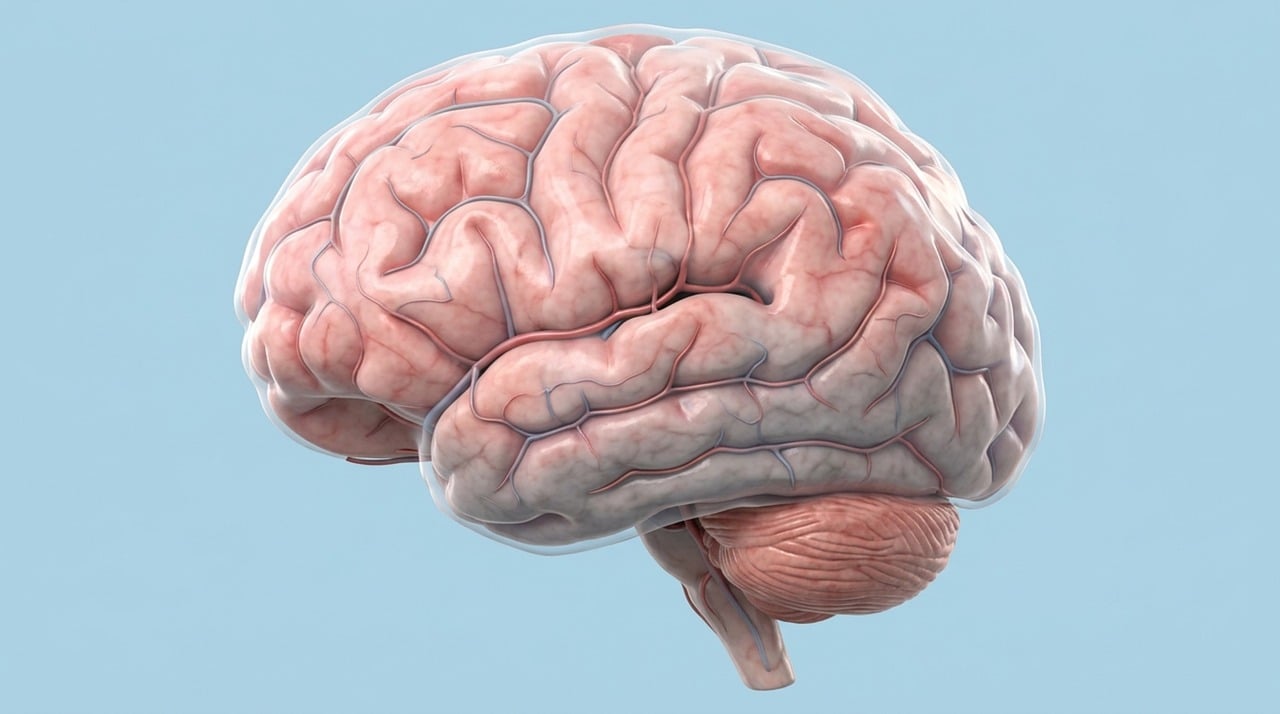
The answer lies largely in the brain.
Motion sickness is closely connected to how the nervous system combines information from the eyes, inner ear, muscles and joints to determine where the body is moving and how it is oriented in space.
When these signals disagree with one another or with what the brain expects, the result can be dizziness, sweating, nausea and vomiting.
But susceptibility is not the same for everyone.
Age, genetics, previous exposure, migraine, vestibular function and the specific type of movement can all influence how strongly a person reacts.
Current evidence suggests that genetic factors account for a substantial proportion of the variation between individuals, while repeated exposure can also produce powerful adaptation. The CDC's 2026 Yellow Book notes that twin studies estimate heritability of motion-sickness susceptibility at roughly 55% to 70%. :contentReference[oaicite:2]{index=2}
What Is Motion Sickness?
Motion sickness is a collection of symptoms produced when the body experiences certain forms of movement or visually simulated movement.
The most familiar symptoms include nausea and vomiting.
However, motion sickness can involve much more than an upset stomach.
People may experience dizziness, fatigue, sweating, increased salivation, headache, drowsiness, difficulty concentrating, warmth, facial pallor and general discomfort.
These symptoms can occur in cars, buses, boats, airplanes, amusement-park rides and even virtual-reality environments. :contentReference[oaicite:3]{index=3}
The Real Problem Is Not Your Stomach
Although nausea is one of the most noticeable symptoms, the underlying problem begins much earlier.
The brain constantly estimates how the body is moving through space.
To do this, it receives information from several sensory systems.
The eyes provide visual information.
The vestibular system inside the inner ear detects acceleration and head movement.
Muscles and joints provide information about body position.
The brain combines these signals to create an internal representation of movement and orientation.
Under normal circumstances, these systems generally agree.
When they do not, the brain has to resolve the disagreement.
The Three Major Sources of Movement Information
1. Your Eyes
Your visual system constantly monitors the environment.
If you look through a car window while traveling at highway speed, trees, buildings and road markings move rapidly across your visual field.
Your brain interprets this as evidence that your body is moving.
But if you look down at a book, the visual information becomes very different.
The page appears stationary.
Your eyes are therefore telling your brain that the immediate visual environment is relatively stable while your inner ear is detecting acceleration, turning and movement.
This disagreement can contribute to motion sickness.
2. Your Inner Ear
The vestibular system is located inside the inner ear and plays a central role in balance and spatial orientation.
It detects head movements and changes in acceleration.
The brain combines vestibular information with visual and body-position information to maintain balance and estimate movement. :contentReference[oaicite:4]{index=4}
This system is essential for understanding why motion sickness is fundamentally a neurological phenomenon rather than simply a gastrointestinal problem.
3. Your Muscles and Joints
Another source of information comes from proprioception.
Proprioception allows the brain to estimate where different parts of the body are positioned.
When you sit in a moving vehicle, your muscles and joints provide information about your posture and physical movement.
The brain integrates this information with signals from the eyes and vestibular organs.
The Sensory Conflict Theory
The most widely accepted explanation for motion sickness is known as the sensory conflict or neural mismatch theory.
The basic idea is straightforward.
Your brain maintains expectations about how sensory information should correspond to one another.
When incoming signals do not match those expectations, the mismatch can trigger the neural processes associated with motion sickness.
The CDC describes the mechanism as a mismatch involving vestibular, visual and kinesthetic information compared with an internal model of expected movement. :contentReference[oaicite:5]{index=5}
Why Reading in a Car Can Make You Sick
Reading in a moving vehicle is one of the classic examples.
Your eyes are focused on a relatively stationary page.
Your vestibular system, however, detects acceleration, braking, turning and vibration.
Your muscles and joints provide additional information about your body's movement.
The resulting sensory pattern can be difficult for the brain to reconcile.
For susceptible individuals, this mismatch can trigger motion sickness.
This is one reason looking toward the horizon can sometimes help.
A distant visual reference can provide information that is more consistent with the movement detected by the vestibular system.
Why Do Some People Never Get Motion Sickness?
The phrase "never get motion sickness" needs some qualification.
Very few people can be considered absolutely immune under every possible condition.
The CDC notes that with sufficiently provocative motion, almost anyone with a functioning vestibular system can potentially develop motion sickness. :contentReference[oaicite:6]{index=6}
What people usually mean by "never getting motion sickness" is that they have unusually high resistance or have rarely encountered a stimulus strong enough to trigger symptoms.
Several factors can explain this resistance.
1. Their Brain May Adapt More Easily
One of the most important explanations is adaptation.
The nervous system is not static.
When it repeatedly encounters the same unusual sensory pattern, it can learn that the pattern is safe and predictable.
This process is often called habituation.
For example, people who work on ships can gradually develop "sea legs."
At first, the constant movement may produce symptoms.
After repeated exposure, the brain can adapt to the relationship between visual, vestibular and body-position signals.
The CDC describes habituation or desensitization as the most effective behavioral countermeasure and notes that it can be highly effective, although it may be slow to acquire and may require continued exposure. :contentReference[oaicite:7]{index=7}
2. Genetics May Play a Major Role
Motion-sickness susceptibility is not determined entirely by experience.
Genetic differences appear to matter.
Twin studies have found substantial inherited variation in susceptibility.
The 2026 CDC Yellow Book summarizes evidence suggesting that genetic factors account for approximately 55% to 70% of variation in susceptibility. :contentReference[oaicite:8]{index=8}
This does not mean there is one "motion sickness gene."
Instead, susceptibility is likely influenced by multiple genetic factors involved in vestibular function, sensory processing, autonomic regulation and other biological pathways.
Recent research into vestibular disorders continues to investigate the molecular and genetic mechanisms that influence individual susceptibility. :contentReference[oaicite:9]{index=9}
3. Their Vestibular System May Process Motion Differently
Two people can experience the same physical movement without their nervous systems responding identically.
The vestibular organs detect acceleration and head movement, but the information must then be processed by the brain.
Differences in vestibular sensitivity and central processing may influence susceptibility.
This does not mean that people resistant to motion sickness have a "better" vestibular system.
Rather, their nervous system may maintain a more stable interpretation of conflicting movement signals.
4. They May Have Better Predictive Models of Movement
The brain does not simply react to sensory information.
It predicts.
When you walk, your brain anticipates the sensory consequences of your own movements.
When you ride in a car, however, much of the movement is externally generated.
Your body moves even though you are not producing the movement yourself.
This can create a discrepancy between predicted and incoming sensory information.
People who adapt well may update their internal models more efficiently.
Repeated exposure can therefore make previously disturbing movement feel increasingly normal.
5. They May Have More Experience With Motion
Experience can matter.
Someone who grew up traveling frequently by car, boat or airplane may have experienced many different movement patterns.
Their nervous system may have become accustomed to the sensory relationships associated with those environments.
This is not a guarantee of immunity.
A person who rarely becomes sick in cars may still become uncomfortable on a rough boat journey or inside a virtual-reality headset.
6. The Type of Motion Matters
Motion sickness is not triggered equally by all forms of movement.
Acceleration, turning, oscillation, vibration, visual motion and head movement can all influence susceptibility.
A person who tolerates one type of motion may react strongly to another.
This helps explain why someone can be perfectly comfortable in a car but uncomfortable on a boat.
7. Age Changes Motion-Sickness Susceptibility
Age is another important factor.
Young children generally experience little motion sickness during infancy.
Susceptibility rises during childhood and commonly peaks around the ages of 7 to 12.
It generally declines during adulthood.
The CDC notes that this pattern may partly reflect increasing habituation and changes in sensory processing. :contentReference[oaicite:10]{index=10}
However, susceptibility can vary considerably between individuals.
Why Are Children More Susceptible?
Researchers have proposed several explanations for the age pattern.
The developing nervous system is still learning to integrate sensory information.
Children also encounter new forms of movement as their environments change.
As the brain develops and accumulates experience, its internal models of movement may become more refined.
This may contribute to the decline in susceptibility seen during adulthood.
Why Does Motion Sickness Often Decline With Age?
Adults have typically accumulated more experience with different forms of motion.
Repeated exposure can produce habituation.
Changes in sensory processing may also play a role.
However, aging does not guarantee protection.
Some older adults can still experience motion sickness, while certain vestibular disorders can alter balance and motion perception.
Women and Motion Sickness
Population studies generally find that women report motion sickness more often than men.
However, the difference is influenced by several factors.
Hormonal changes, pregnancy, menstruation and other physiological variables can affect susceptibility.
The CDC notes that these associations complicate simple comparisons between men and women. :contentReference[oaicite:11]{index=11}
Sex alone therefore cannot explain why one person gets motion sickness and another does not.
Motion Sickness and Migraine
There is also a relationship between motion sickness susceptibility and migraine.
People with migraine histories can be more susceptible to motion-induced symptoms.
This suggests that individual differences in sensory processing may influence both conditions.
The connection is particularly interesting because migraine is associated with altered processing of sensory information.
The CDC identifies migraine history as one of the factors associated with increased susceptibility to motion sickness. :contentReference[oaicite:12]{index=12}
Why Drivers Often Feel Better Than Passengers
Many people notice something strange about motion sickness.
The passenger can feel terrible while the driver feels perfectly fine.
Why?
One possible explanation is predictability and control.
The driver knows when the vehicle will accelerate, brake and turn because they are generating those movements.
The brain can therefore anticipate the sensory consequences more accurately.
Passengers receive the movement without directly controlling it.
Research and clinical guidance recognize perceived control and anticipation as relevant factors in motion-sickness susceptibility. :contentReference[oaicite:13]{index=13}
Why Looking at the Horizon Can Help
Looking at the horizon provides a stable visual reference.
The eyes receive information about the direction and magnitude of movement.
This can reduce the discrepancy between visual and vestibular signals.
For this reason, looking outside rather than down at a phone or book can help some people.
CDC guidance includes obtaining a horizon reference among behavioral strategies that can reduce motion sickness. :contentReference[oaicite:14]{index=14}
Why Phones and Virtual Reality Can Cause Motion Sickness
Motion sickness does not require physical movement.
Visual motion alone can sometimes trigger similar symptoms.
This phenomenon is commonly called visually induced motion sickness or cybersickness.
Virtual-reality systems are a particularly important example.
The visual system may report rapid movement while the vestibular system detects little or no corresponding physical acceleration.
The brain therefore receives a sensory pattern that can resemble the mismatch experienced during traditional motion sickness.
Modern visual technologies have expanded the situations in which motion-induced symptoms can occur. :contentReference[oaicite:15]{index=15}
Why Some People Can Use VR for Hours
VR tolerance also varies dramatically.
Some users develop nausea quickly.
Others can use immersive systems for long periods with few symptoms.
Part of this difference may reflect individual sensory susceptibility.
Another component may be adaptation.
Repeated exposure to similar visual motion can allow the brain to update its expectations.
However, adaptation is not universal, and excessive exposure can still produce symptoms.
Can Your Brain Learn Not to Get Motion Sick?
To some degree, yes.
Habituation is one of the strongest known non-drug approaches to increasing resistance to motion sickness.
The brain can gradually learn that a particular pattern of sensory mismatch does not represent danger.
This process is especially relevant to sailors, pilots, astronauts and others who regularly experience unusual movement.
However, habituation can be specific to the type of stimulus.
Becoming accustomed to one environment does not necessarily make a person resistant to every other form of motion.
Why Astronauts Can Get Motion Sick in Space
Space provides an extreme example of sensory adaptation.
On Earth, gravity provides a constant reference for the vestibular system.
In microgravity, the relationship between gravity, head movement and visual information changes dramatically.
This can produce space motion sickness.
After adaptation, astronauts can often function more comfortably.
This demonstrates how strongly the nervous system depends on learned relationships between sensory systems.
Motion Sickness May Be an Evolutionary Defense
Scientists have proposed several explanations for why motion sickness exists at all.
One intriguing hypothesis is that the response could be related to mechanisms that protect the body from toxins.
The idea is that unusual sensory signals affecting the vestibular system might historically have been associated with poisoning or neurological disturbances.
However, this remains a hypothesis rather than a definitive explanation.
The precise evolutionary purpose of motion sickness is still debated.
Researchers understand many aspects of how motion sickness occurs, but the deeper question of why the brain evolved this particular response remains unresolved. :contentReference[oaicite:16]{index=16}
Why Nausea Happens When the Problem Starts in the Brain
The brain's response to sensory mismatch can activate pathways involved in nausea and vomiting.
This explains why a problem originating in sensory processing can eventually produce a powerful gastrointestinal reaction.
Motion sickness therefore illustrates how closely the brain and digestive system are connected.
The symptoms are not simply "imaginary."
They represent a genuine physiological response generated by the nervous system.
Why Sweating Happens
Sweating and changes in skin color are also common.
These symptoms reflect activation of the autonomic nervous system.
The body can enter a state involving increased salivation, sweating, altered breathing and gastrointestinal discomfort.
These responses often develop progressively before severe nausea or vomiting occurs.
The CDC describes motion sickness as involving a broad collection of autonomic and gastrointestinal symptoms rather than nausea alone. :contentReference[oaicite:17]{index=17}
Why Sleep Deprivation Can Make Motion Sickness Worse
Being tired can change how the nervous system handles sensory information.
The CDC notes that sleep deprivation can worsen susceptibility to motion sickness. :contentReference[oaicite:18]{index=18}
This may be one reason a journey that normally feels comfortable can become unpleasant after a poor night's sleep.
Fatigue can also make it harder to maintain attention and stable postural control.
Can Food Affect Motion Sickness?
Food intake can influence how comfortable a person feels during travel, but there is no universal diet that prevents motion sickness.
Small amounts of food may be easier to tolerate than a very large meal before travel.
Hydration is also important.
The CDC recommends strategies such as hydration and eating small amounts of food frequently, while noting that evidence for many supplements and dietary approaches is limited or inconsistent. :contentReference[oaicite:19]{index=19}
Does Ginger Really Work?
Ginger is frequently promoted as a natural remedy for nausea and motion sickness.
Some studies suggest it may help certain people, but the evidence is inconsistent.
The CDC notes that studies of ginger have produced mixed findings. :contentReference[oaicite:20]{index=20}
Therefore, ginger should not be considered a guaranteed treatment.
Do Acupressure Bands Work?
Acupressure bands are another popular strategy.
However, evidence from controlled research does not strongly support them as an effective treatment for motion sickness.
The CDC's 2026 guidance states that research does not support acupressure or magnets as reliable treatments. :contentReference[oaicite:21]{index=21}
Some people may nevertheless report benefits, potentially influenced by individual responses or placebo effects.
What Actually Helps Prevent Motion Sickness?
Behavioral strategies can make a meaningful difference.
Looking toward the horizon can help reduce visual-vestibular mismatch.
Avoiding reading or prolonged close visual tasks can also help.
Keeping the head relatively stable may reduce symptoms.
Choosing areas of a vehicle with less motion can also be useful.
On ships, this may mean avoiding the bow.
On airplanes, seating closer to the wings can reduce exposure to some forms of movement.
The CDC considers habituation particularly effective, although it is not practical for every traveler. :contentReference[oaicite:22]{index=22}
Why Sitting in the Front of a Car Can Help
The front seat often provides a better view of the road.
This allows the visual system to anticipate turns, acceleration and braking.
It can also provide a more stable visual reference than looking down.
For this reason, people prone to car sickness may find the front passenger seat more comfortable when it is safe and legally permitted.
Children should always follow appropriate safety-seat and passenger-safety requirements rather than moving to an unsafe position simply to prevent motion sickness.
Why Closing Your Eyes Can Help
Closing the eyes removes visual information from the sensory equation.
For some people, this reduces the conflict between visual and vestibular signals.
Sleeping can be particularly effective because it reduces awareness of the provocative stimulus.
CDC guidance includes closing the eyes, lying down or sleeping as possible non-drug strategies. :contentReference[oaicite:23]{index=23}
What About Motion-Sickness Medication?
Medications can help prevent motion sickness, particularly when behavioral strategies are not sufficient.
Common medications include certain antihistamines and scopolamine.
However, many motion-sickness medications can cause drowsiness and other side effects.
The CDC recommends discussing medication choice with a healthcare professional, particularly for children or people with other medical conditions. :contentReference[oaicite:24]{index=24}
Medication is generally more effective when used before significant symptoms begin.
Why Medication Often Makes People Sleepy
Many effective motion-sickness medications act on central nervous system pathways involved in vestibular signaling.
Because these medications can affect the brain, sedation and drowsiness are common side effects.
This is why travelers should not assume that a motion-sickness medicine is harmless simply because it is available without a prescription in some places.
Individual medical circumstances matter.
Why Newer Non-Sedating Allergy Medicines Usually Do Not Work
Some people assume that any antihistamine should prevent motion sickness.
That is not the case.
Several newer antihistamines are designed to produce little penetration into the brain.
Effective motion-sickness antihistamines generally require central nervous system activity.
The CDC specifically notes that newer minimally sedating antihistamines such as cetirizine, fexofenadine and loratadine are not effective for motion sickness. :contentReference[oaicite:25]{index=25}
Why Some People Become Sick From Virtual Reality but Not Cars
Virtual reality creates an unusual sensory situation.
The eyes can see movement even when the body remains physically stationary.
The vestibular system does not necessarily detect the corresponding acceleration.
The brain therefore receives a powerful visual signal that does not match the physical motion signal.
Some people tolerate this mismatch better than others.
This provides another example of why susceptibility is strongly individual.
Can You Be Resistant to Cars but Sensitive to Boats?
Absolutely.
Different environments produce different combinations of acceleration, frequency, rotation, vibration and visual information.
A person can therefore have high tolerance for one stimulus and low tolerance for another.
This is one reason scientists do not treat motion sickness susceptibility as a simple yes-or-no trait.
It is better understood as a spectrum that changes depending on the person and the stimulus.
Why Some People Can Read While Traveling
People who can comfortably read during a journey may have greater resistance to the visual-vestibular mismatch produced by close visual tasks.
Their nervous system may be better at integrating the competing information.
They may also have developed strong habituation from years of travel.
Genetic differences may contribute as well.
There is no single explanation that applies to every resistant individual.
Is Never Getting Motion Sick a Sign of a Better Brain?
Not necessarily.
Resistance to motion sickness is not a general measure of intelligence, neurological superiority or physical fitness.
It simply indicates that a person's sensory systems and nervous system respond differently to particular motion environments.
Someone can be highly resistant to motion sickness while having completely ordinary vestibular function.
Could Being Resistant to Motion Sickness Have Downsides?
There is no evidence that ordinary resistance to motion sickness is itself harmful.
However, an unusual absence of balance-related symptoms in someone with other neurological or vestibular changes would be a different medical question.
Motion sickness itself is not a test of vestibular health.
People experiencing persistent dizziness, vertigo, hearing changes or unexplained balance problems should seek medical evaluation rather than assuming the symptoms are ordinary motion sickness.
Why Motion Sickness Research Matters Beyond Travel
Understanding motion sickness can teach scientists more about how the brain combines sensory information.
The same principles are relevant to balance, virtual reality, aviation, spaceflight and neurological disorders.
Motion sickness provides a natural experiment in how the brain responds when different senses disagree.
That makes it valuable to neuroscience.
Motion Sickness and the Future of Virtual Reality
As immersive technologies become more common, understanding individual differences in motion sickness will become increasingly important.
Virtual-reality developers want systems that minimize discomfort.
This can involve reducing visual latency, improving motion matching and designing movement patterns that are easier for the brain to predict.
Individual susceptibility remains a major challenge.
A virtual environment that feels perfectly comfortable to one user can make another user nauseated within minutes.
Motion Sickness and Autonomous Vehicles
Future transportation systems may create new motion-sickness questions.
If passengers spend more time looking at screens instead of the road, visual-vestibular mismatches could become more important.
Autonomous vehicles may also change how passengers anticipate movement.
Researchers will need to understand how people adapt when they are not controlling acceleration, braking and steering themselves.
What Scientists Still Do Not Fully Understand
Despite decades of research, motion sickness is not completely solved.
Scientists have a strong understanding of the role of sensory mismatch, but the precise neural pathways connecting sensory conflict to nausea and vomiting remain an active research area.
Researchers also continue to investigate why susceptibility varies so dramatically between individuals.
Genetic, vestibular, autonomic and psychological factors may interact.
There is unlikely to be one simple explanation.
The Brain May Be the Key to Understanding Individual Differences
The most important lesson from motion sickness research is that movement is not perceived directly.
The brain constructs an interpretation of movement by combining multiple sensory signals.
Two people experiencing identical physical motion can therefore have different internal experiences.
One person's brain may quickly reconcile the sensory information.
Another person's brain may detect a larger or more persistent mismatch.
That difference can determine whether the journey feels completely normal or extremely unpleasant.
Why Some People Seem Almost Immune
The people who say they have never experienced motion sickness are probably not all protected by the same biological mechanism.
Some may have inherited lower susceptibility.
Some may have unusually effective sensory integration.
Some may have accumulated years of habituation.
Some may simply have encountered relatively mild motion stimuli.
Others may be resistant in one environment but susceptible in another.
In other words, "motion-sickness immunity" is usually better understood as high resistance rather than absolute biological immunity.
Conclusion: Motion Sickness Is a Brain Problem Before It Becomes a Stomach Problem
Motion sickness may feel like a problem with the stomach, but its origins are deeply connected to the brain's system for understanding movement.
The eyes, inner ear, muscles and joints constantly send information about how the body is moving.
When those signals conflict with one another or with the brain's expectations, the nervous system can produce dizziness, sweating, nausea and vomiting.
But people differ dramatically in how strongly they respond.
Genetics appears to explain a substantial proportion of individual variation, while age, migraine, vestibular function, previous experience and habituation also matter. :contentReference[oaicite:26]{index=26}
This explains why one person can read through an entire road trip while another needs to stare at the horizon after only a few minutes.
The difference is not simply psychological.
It reflects the remarkable flexibility and individuality of the human nervous system.
And as virtual reality, autonomous vehicles, aviation and space travel become increasingly important, understanding why some brains adapt to unusual movement better than others could become even more valuable.
The next time someone says they have never experienced motion sickness, the most interesting question may not be whether they are lucky.
It may be what their brain is doing differently.